
Whole-system duct and dryer vent check with before-and-after photos - you see exactly what came out of your vents
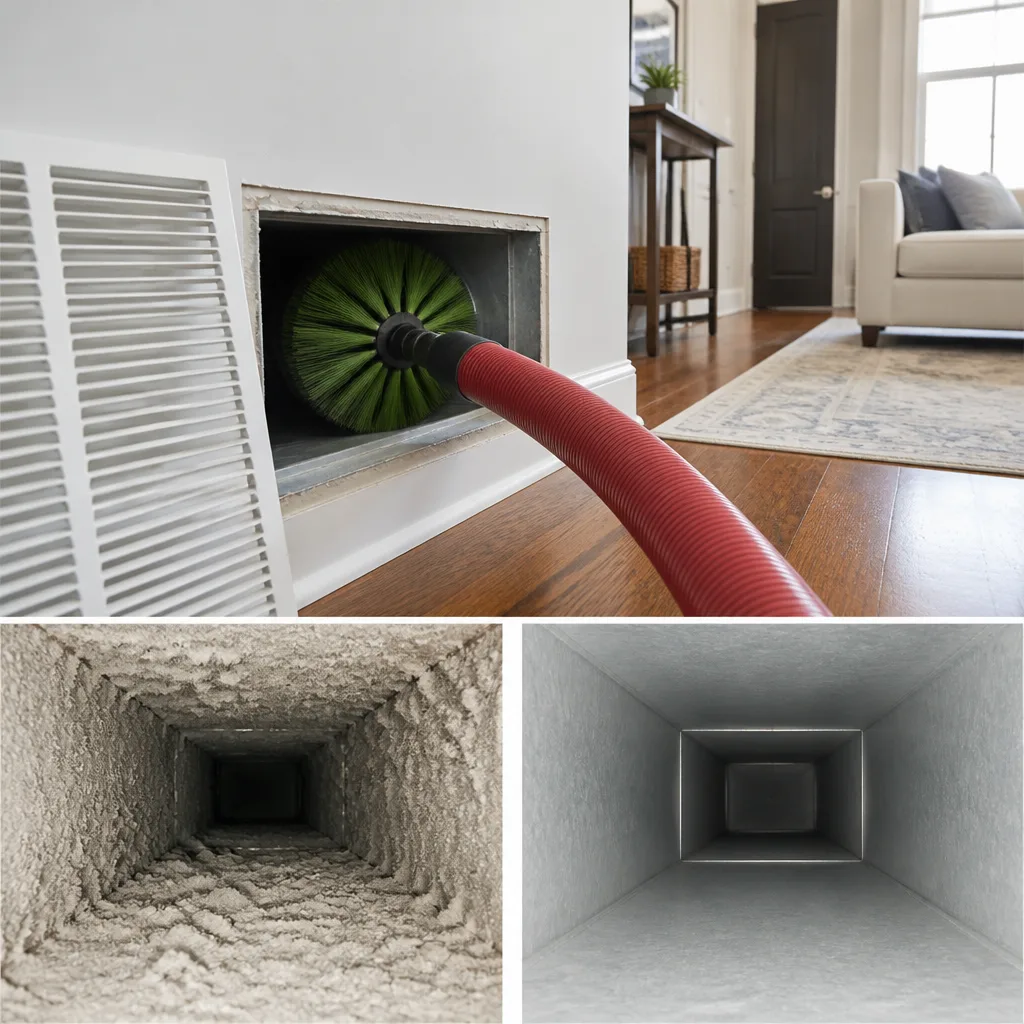
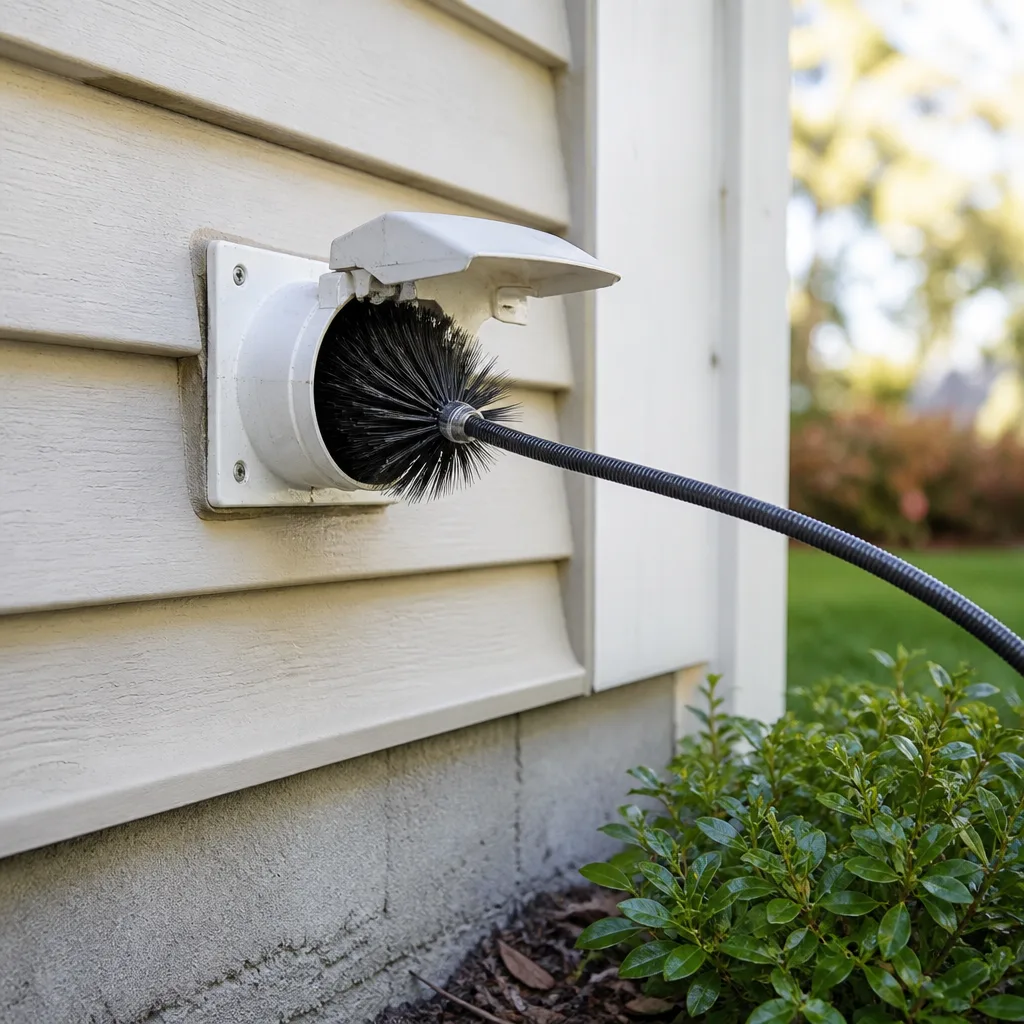
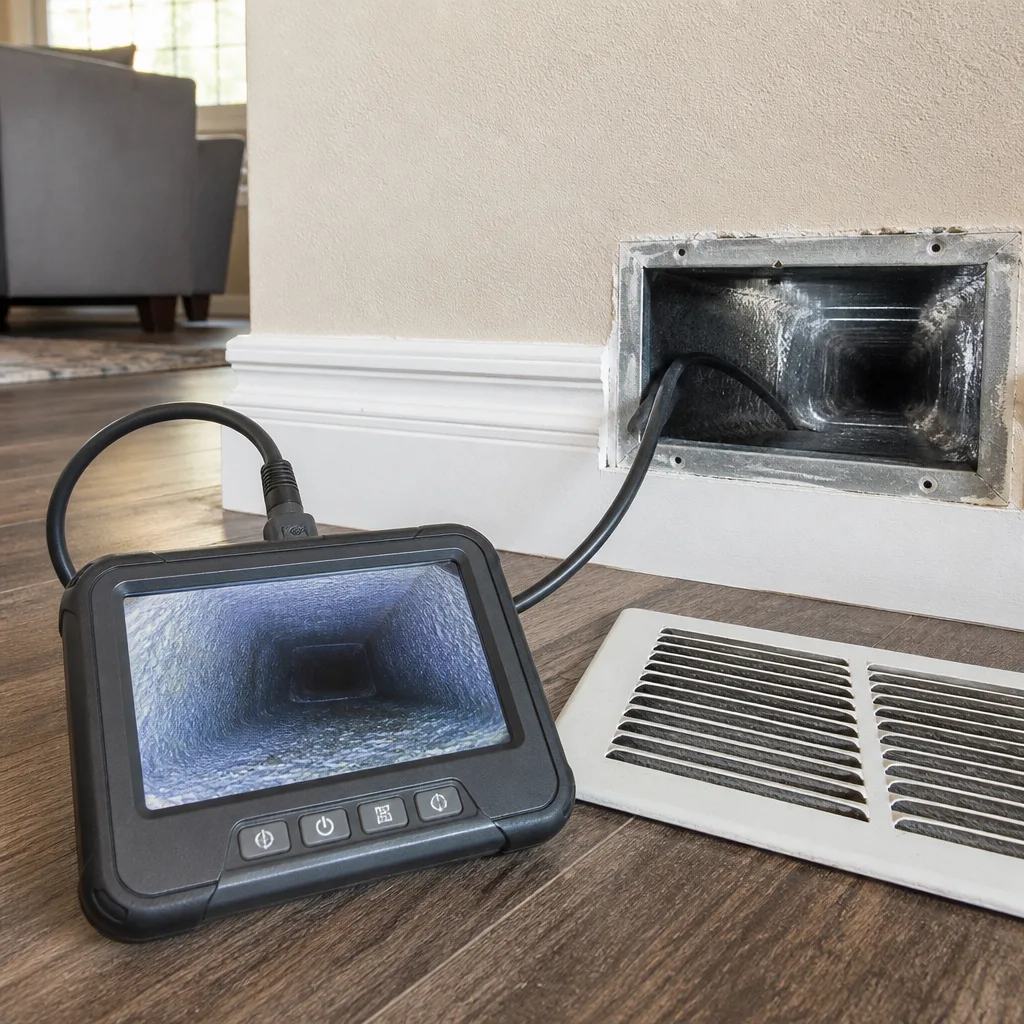
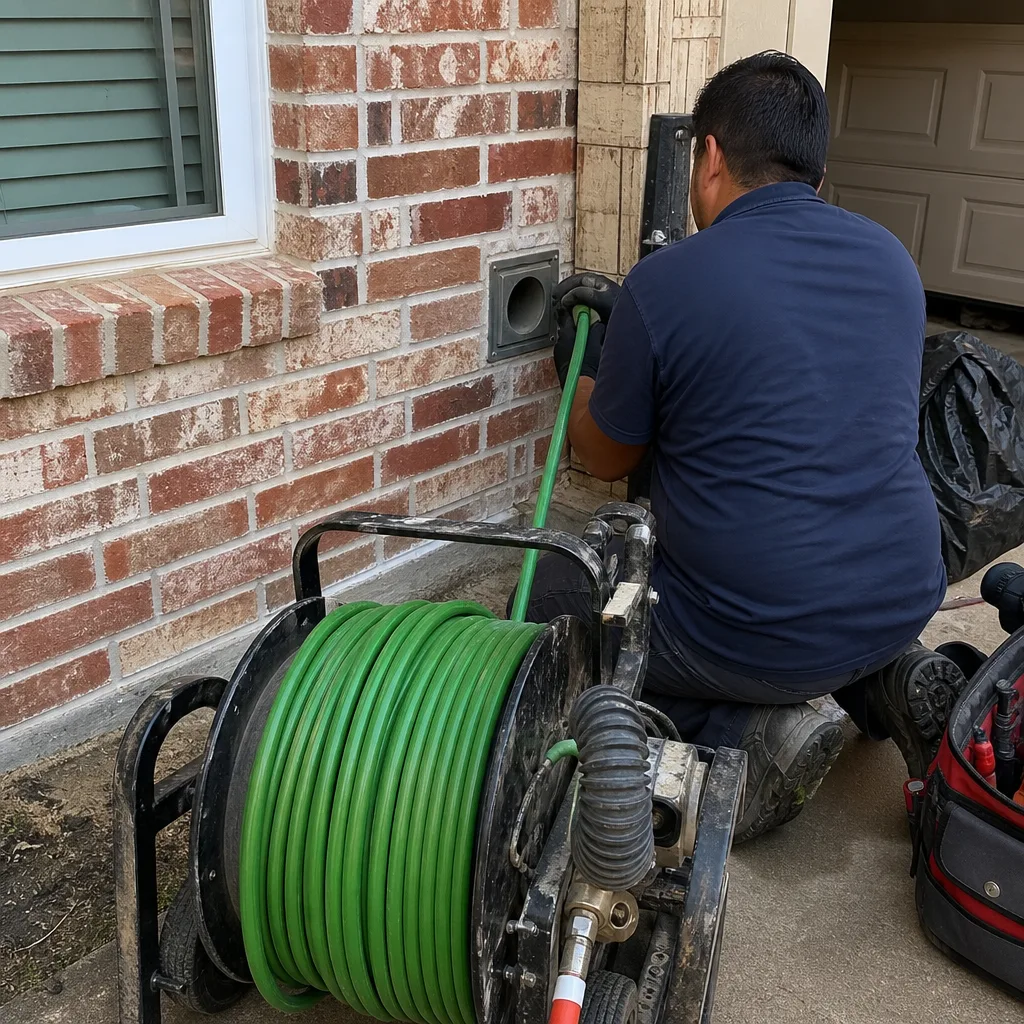
That "$99 whole-house special" is a bait ad - the real number appears once they are in your hallway, or the "clean" is a shop-vac at the register. We photograph the inside of your ducts before and after instead.
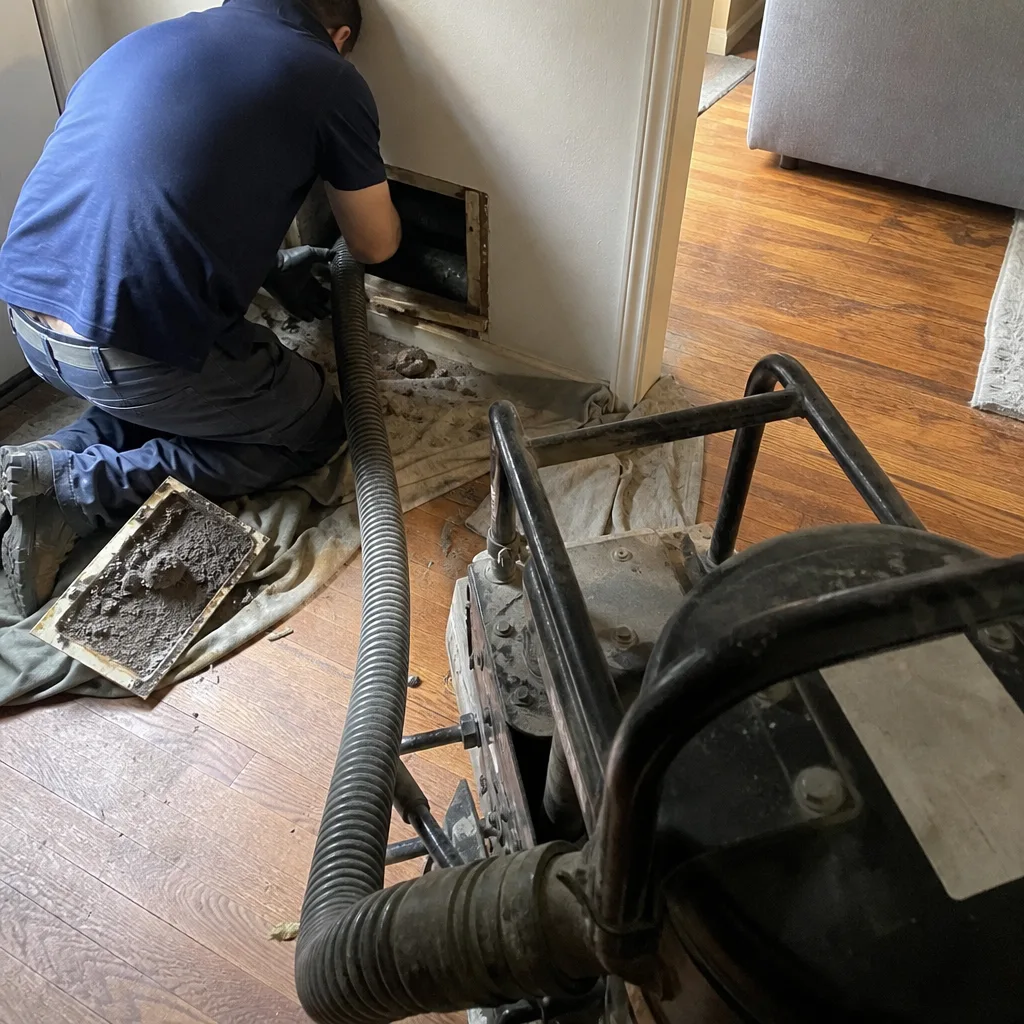 Before
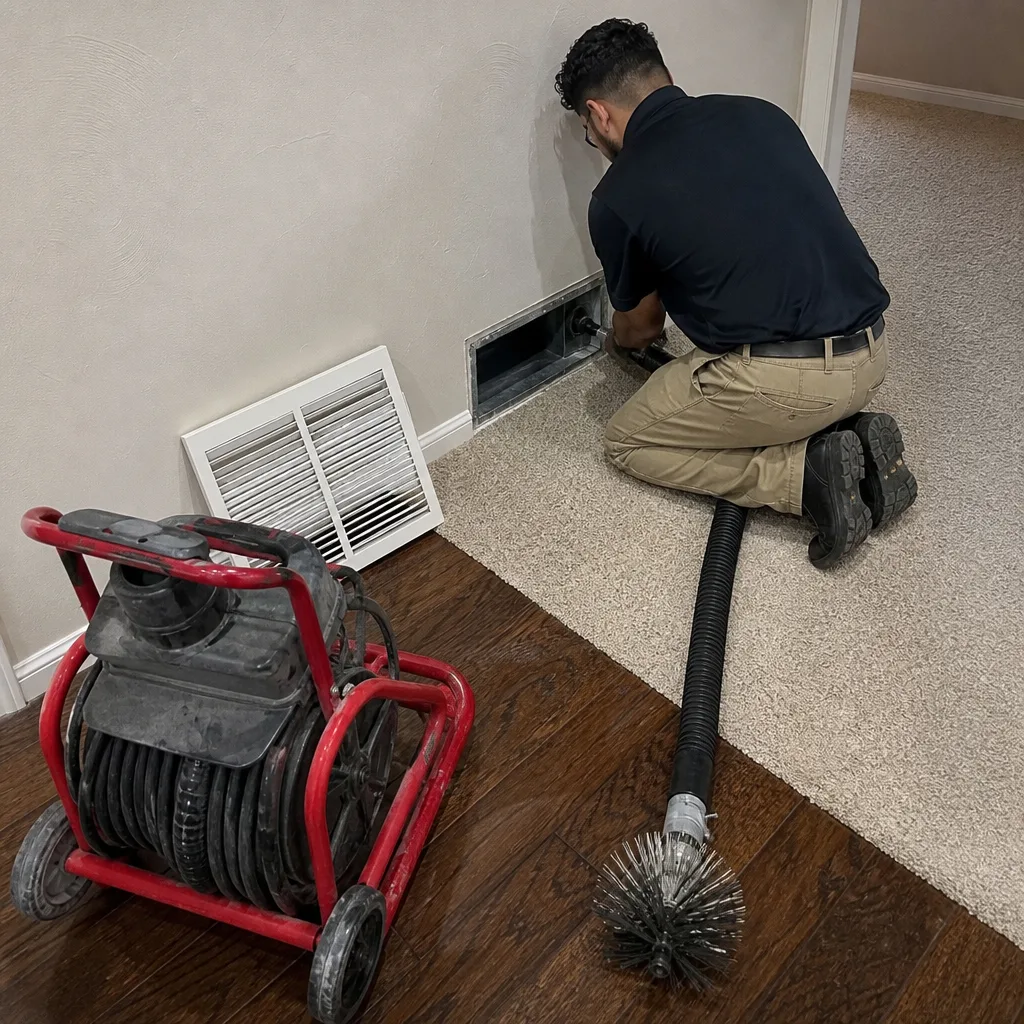 After
After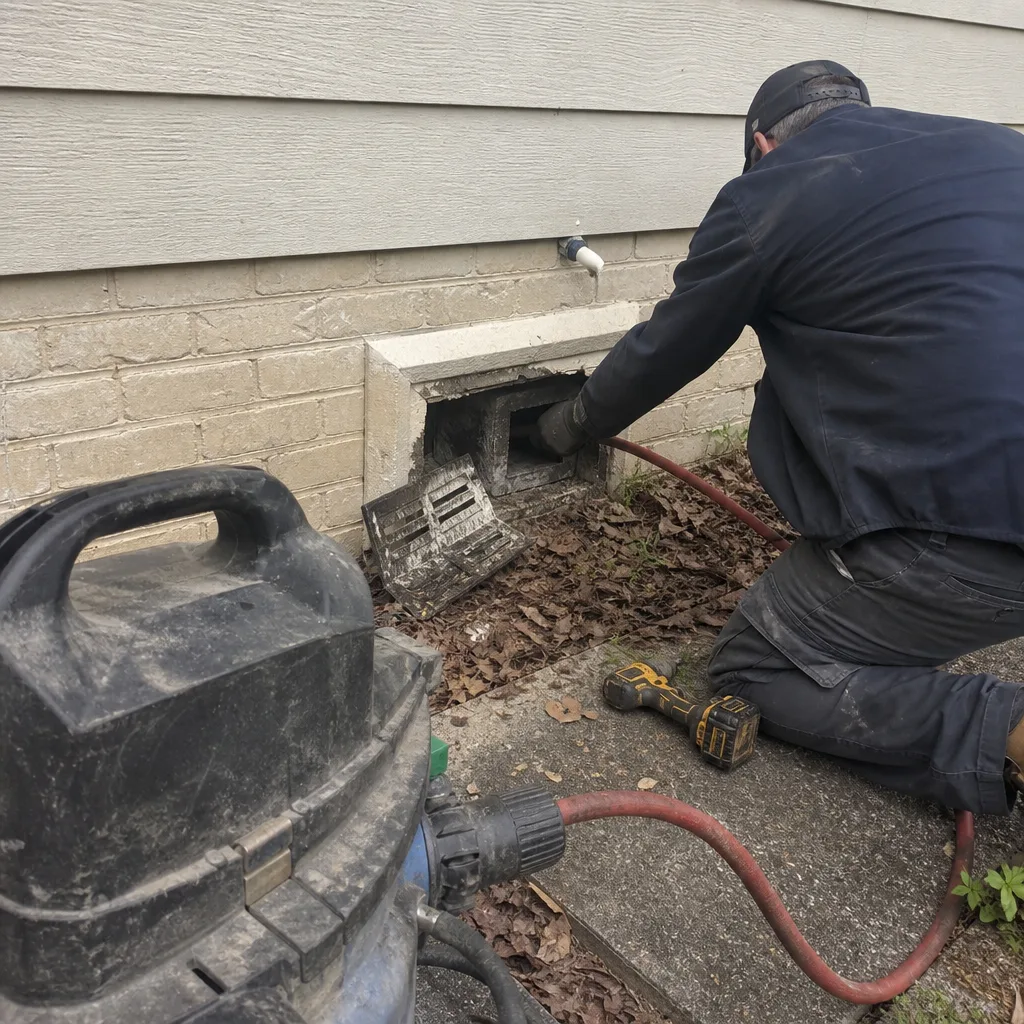 Before
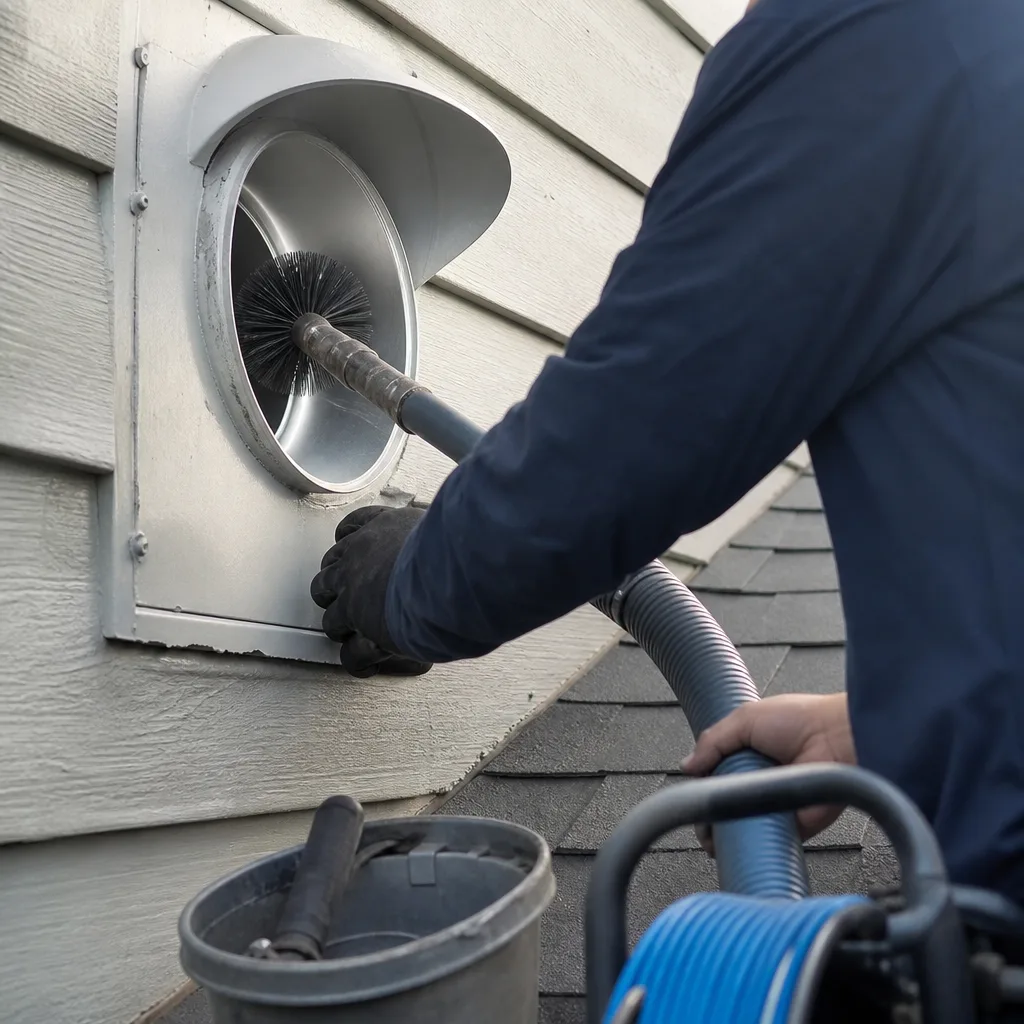 After
After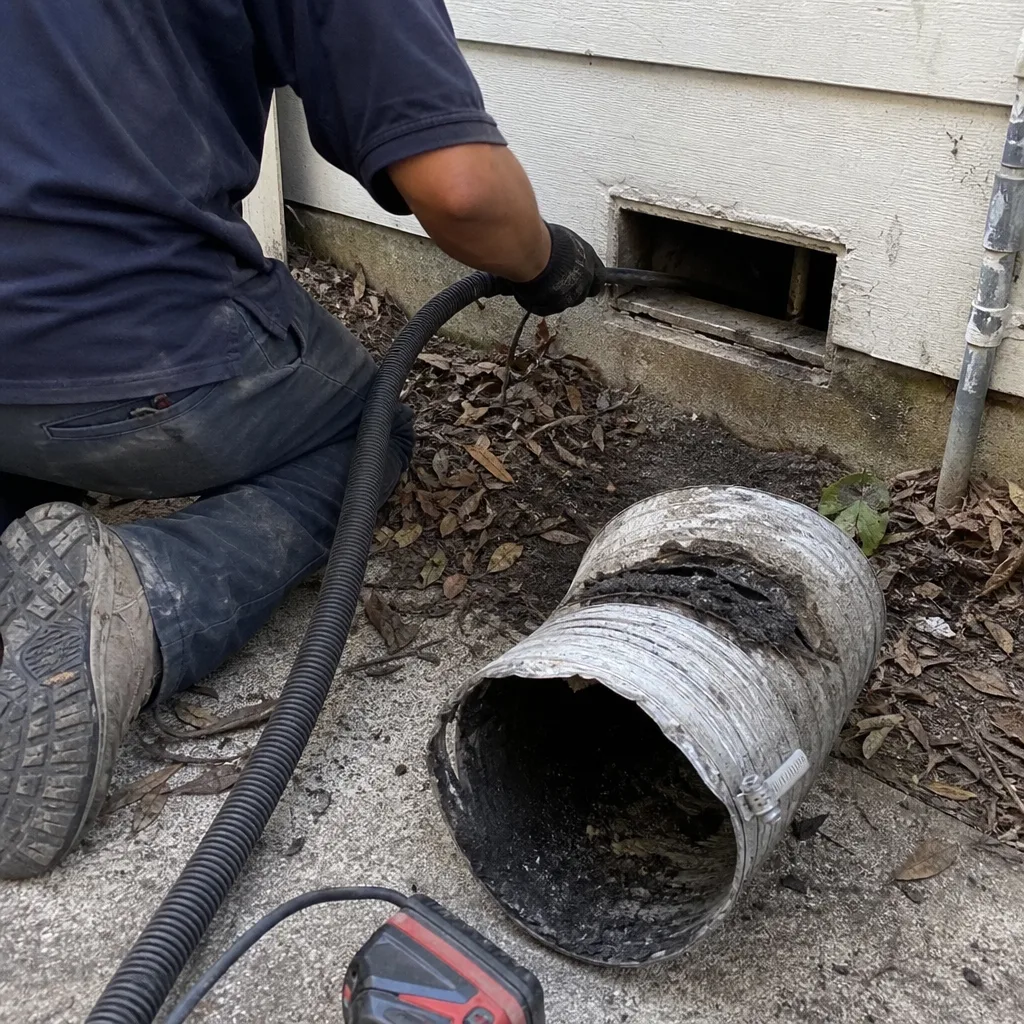 Before
 After
AfterRotobrush Vent Sanitizing: The Sugar Land Owner’s Guide
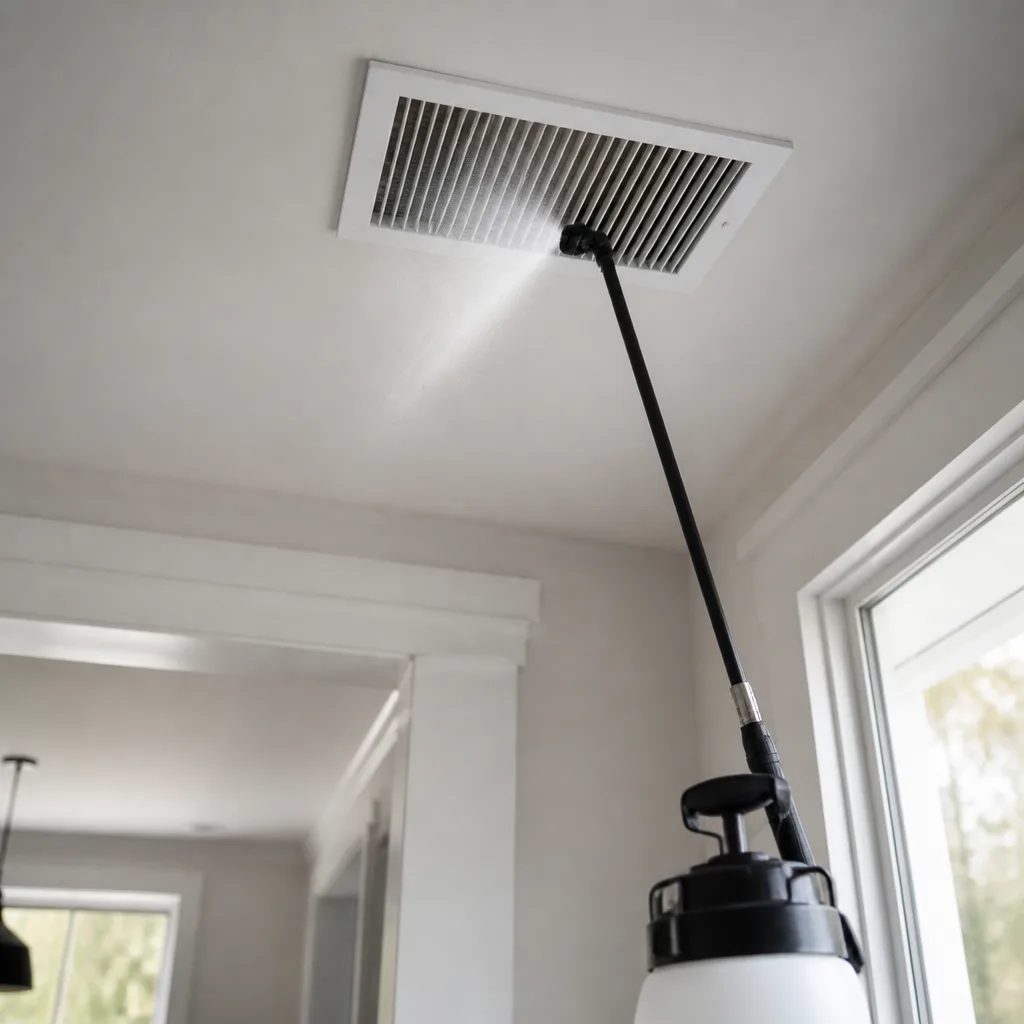
Rotobrush vent sanitizing in Sugar Land typically runs $280-$420 installed for a whole-system treatment, and we stock the compatible sanitizing agents and application hardware for same-day scheduling when you call before noon. Most Sugar Land homeowners discover their vent sanitizing needs attention after a standard Rotobrush cleaning leaves persistent musty odors at the master bedroom register or visible microbial staining on the plenum interior that the brush alone won’t address. The Gulf Coast humidity here, especially in neighborhoods like First Colony and Telfair where slab construction traps ground moisture, accelerates the conditions that make vent sanitizing a separate step from mechanical cleaning.
We carry Rotobrush-compatible sanitizing solutions and application equipment on every truck, and we document the pre-treatment condition with photos before a single panel comes off. Look at the photo first. Then we’ll talk about what needs to happen.
Which Rotobrush Models This Applies To
Rotobrush’s vent sanitizing hardware breaks into two equipment generations, and matching the right application method matters for coverage and dwell time. The legacy Rotobrush Classic and Rotobrush HD series use a lower-pressure fogging attachment that draws from a 1-gallon reservoir; the newer Rotobrush aiR+ and Beast series units pair with a higher-output misting head designed for antimicrobial application across longer duct runs. We verify compatibility by checking the model plate on your unit’s vacuum motor housing, not by guessing from hose diameter.
The sanitizing agent itself is where the OEM-versus-aftermarket decision sits. Rotobrush-branded solution runs about 40% higher per gallon than EPA-registered equivalents from Guardsman and Abatement Technologies that meet the same kill-claim standards for HVAC application. We stock both. Most Sugar Land customers who own their Rotobrush equipment outright choose the aftermarket equivalent once we show them the EPA registration numbers side by side. If your unit is under dealer lease, the contract may require OEM fluid to maintain coverage, and we’ll note that in writing before quoting.
One compatibility gotcha we see regularly: the aiR+ quick-connect collar for the sanitizing wand looks identical to the HD version but seals on a slightly different O-ring groove. Forcing the wrong collar cracks the plastic retainer, and that part is a special-order item, not a stock piece.
Signs Your Rotobrush Vent Sanitizing Is Failing
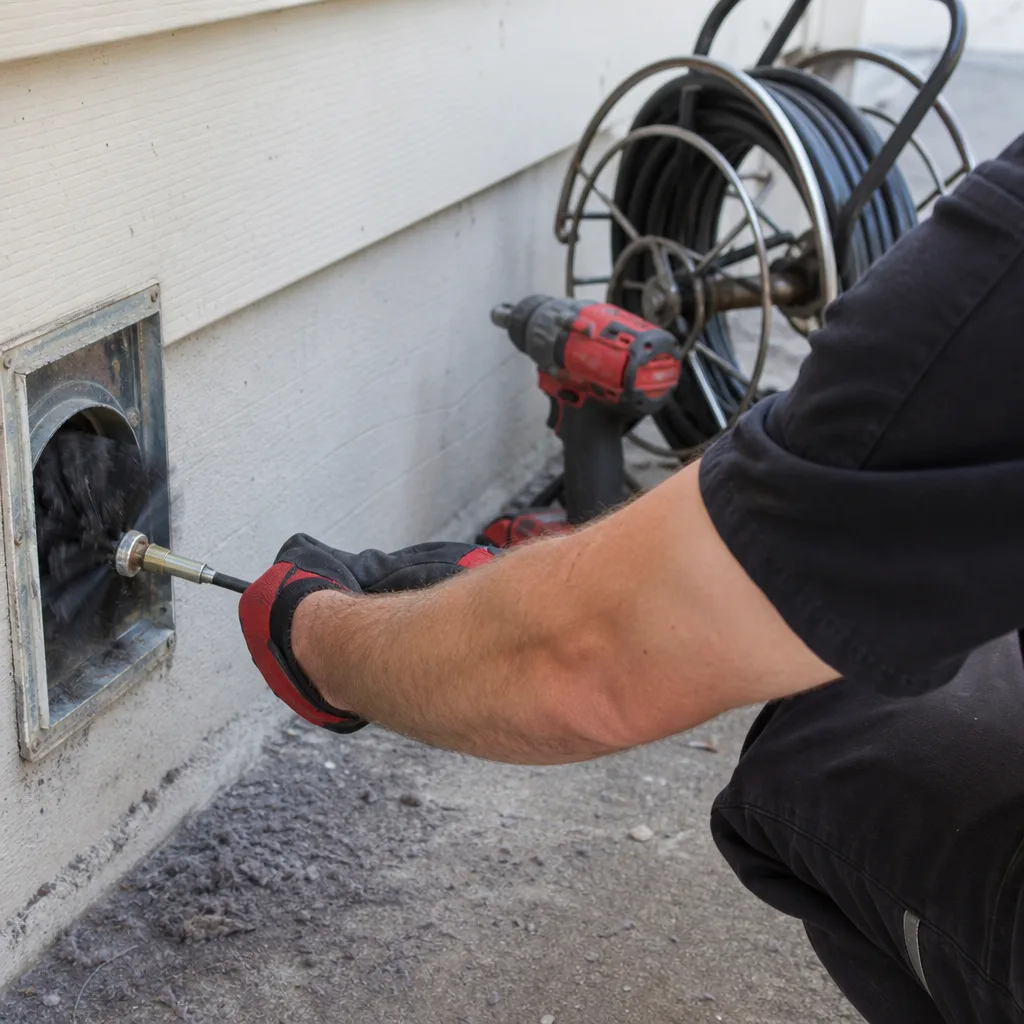
- Persistent musty odor returning within 72 hours of cleaning. The antimicrobial agent isn’t reaching the full duct run, usually because the fogging head is clogged with dried solution from previous use or the pressure setting is too low for your system’s total linear footage. In Sugar Land’s humid climate, untreated duct sections become re-colonized fast.
- Visible staining or spotting on the plenum interior that persists after brush cleaning. Mechanical brushing dislodges debris but doesn’t address microbial growth adhered to the metal surface. The sanitizing step requires proper dwell time, and a failing application leaves the biological film intact.
- Uneven distribution at registers, some treated and some untouched. This points to a cracked fogging wand, a kinked supply tube, or an O-ring failure at the quick-connect. We find this most often in units that have been stored in unconditioned garages between uses, which is common in Sugar Land’s garage-forward home designs.
- Chemical odor that lingers beyond 24 hours. The sanitizing agent is being applied too heavily or the HVAC fan isn’t being run per manufacturer spec to clear residual vapor. This is usually operator technique, but it can also indicate a failed pressure regulator on the application hardware delivering an inconsistent flow rate.
- Corrosion or pitting on metal duct surfaces near application points. An incompatible solution or improper dilution ratio is eating the galvanized coating. We’ve seen this in homes near the Brazos River corridor where higher mineral content in ambient humidity already stresses metal ductwork.
BeforeAfterReplacement Cost & What’s Included
| Service Component | Typical Range in Sugar Land |
|---|---|
| Whole-system vent sanitizing (Rotobrush-compatible), single HVAC unit | $280-$340 |
| Whole-system vent sanitizing, dual-zone or larger home (3,500+ sq ft) | $340-$420 |
| Fogging/misting hardware replacement (wand, collar, O-ring set) | $85-$140 parts + labor |
| Pressure regulator rebuild or replacement | $65-$110 parts + labor |
| EPA-registered sanitizing solution, per-gallon refill | $45-$65 |
The range depends on total duct linear footage, number of registers, and whether we’re addressing an active microbial issue or performing preventive treatment. Every quote is written and agreed before work starts, Haven Standard Clause 1. The sanitizing agent we apply is covered under our 365-Day Done Right Promise; if odor or staining returns in that window, we re-treat at no charge and photograph the recurrence to determine root cause.
DIY or Call Us?
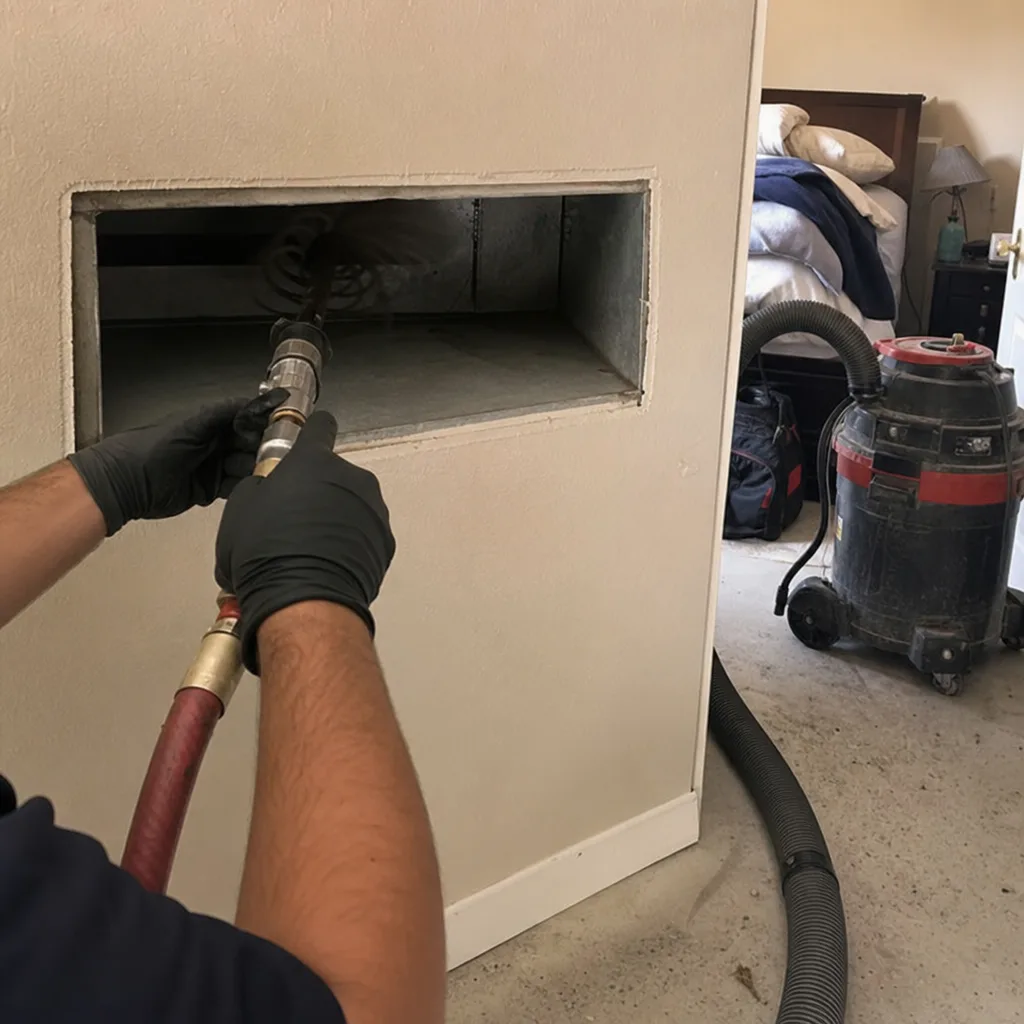
An owner can safely check three things without risk: verify the model plate number against the sanitizing hardware you own, inspect the fogging wand for cracks or dried solution buildup at the nozzle, and confirm the O-ring at the quick-connect is intact and seated. These are visual checks, not repairs.
Where DIY goes wrong is in solution selection and application concentration. EPA-registered HVAC sanitizers require specific dilution ratios, dwell times, and post-application ventilation protocols. The wrong concentration in a sealed duct system produces vapor levels that irritate respiratory tissue; too weak, and you’re paying for scented water. We don’t recommend homeowners mix or apply these chemicals themselves. Our technicians carry calibrated mixing equipment and test the output concentration with a refractometer before the wand enters the first register.
Call (346) 421-3357 and we’ll schedule a visit, photograph the current condition, and put a written price in front of you before any work starts.
FAQs
In the Houston metro’s humidity, a properly applied treatment typically remains effective for 12 to 18 months in homes with standard HVAC cycling and a maintained filtration system. Homes near water features, with frequent door-opening patterns, or without consistent dehumidification may see shorter effective windows. Call (346) 421-3357 for an exact quote on your system - estimates are free.
Pressure regulators and O-ring sets are serviceable; cracked wands, damaged collars, and clogged reservoir pickups usually require replacement. We diagnose on site and quote both options in writing when repair is feasible. Call (346) 421-3357 for an exact quote - estimates are free.
A standard whole-system sanitizing treatment takes 90 to 150 minutes for a single HVAC unit, including setup, application, dwell time, and post-treatment ventilation run. Hardware replacement adds 30 to 45 minutes for testing and calibration. Call (346) 421-3357 for an exact quote - estimates are free.
Yes. We carry application hardware, O-ring sets, pressure regulators, and both Rotobrush OEM and Guardsman/Abatement Technologies EPA-registered solutions on every service truck serving Sugar Land. Same-day scheduling is typically available for calls received before noon. Call (346) 421-3357 for an exact quote - estimates are free.
CleanRun Air Duct Cleaning Sugar Land is an independent service provider, not affiliated with Rotobrush. We also stock parts for Lennox, Trane, and Carrier systems.
Written by Tomas Reyes, Owner, CleanRun Air Duct Cleaning Sugar Land at CleanRun Air Duct Cleaning Sugar Land, serving Sugar Land and nearby areas.