
Whole-system duct and dryer vent check with before-and-after photos - you see exactly what came out of your vents
That "$99 whole-house special" is a bait ad - the real number appears once they are in your hallway, or the "clean" is a shop-vac at the register. We photograph the inside of your ducts before and after instead.
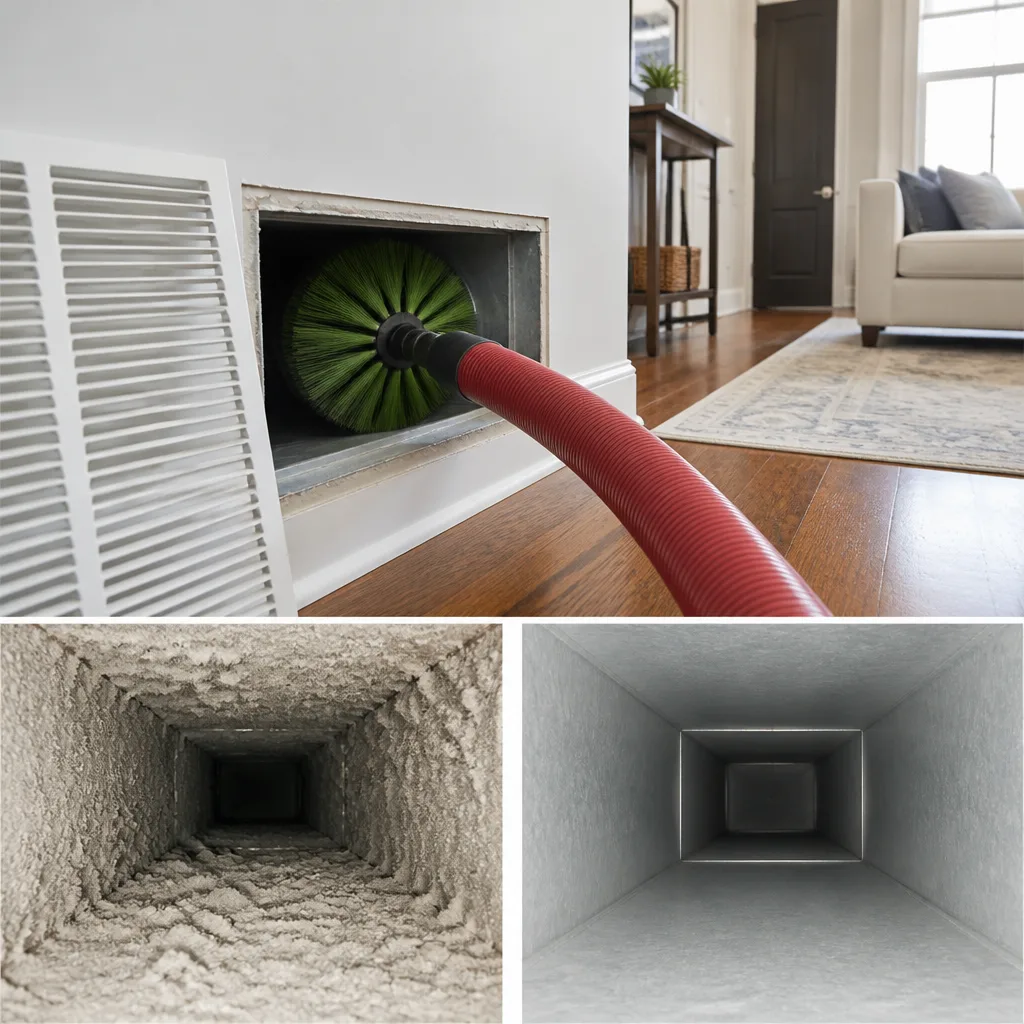
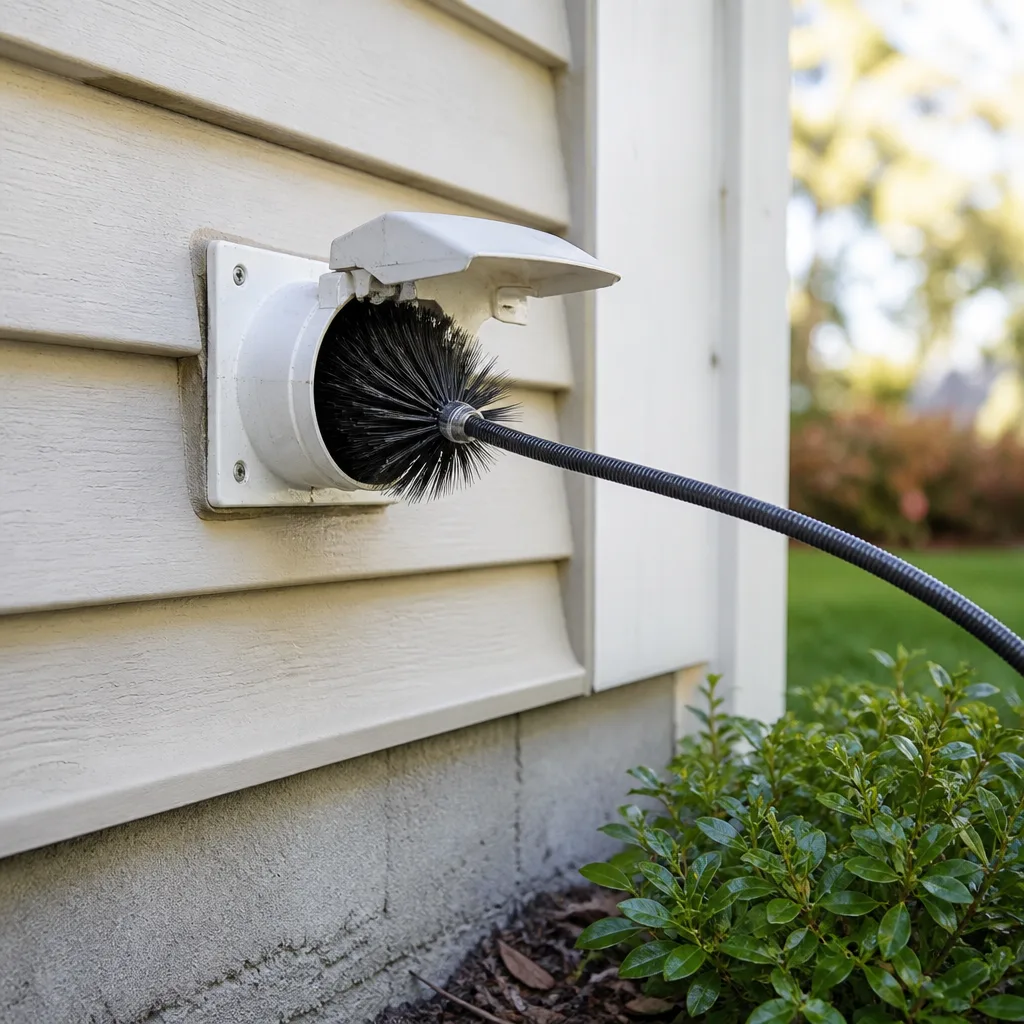
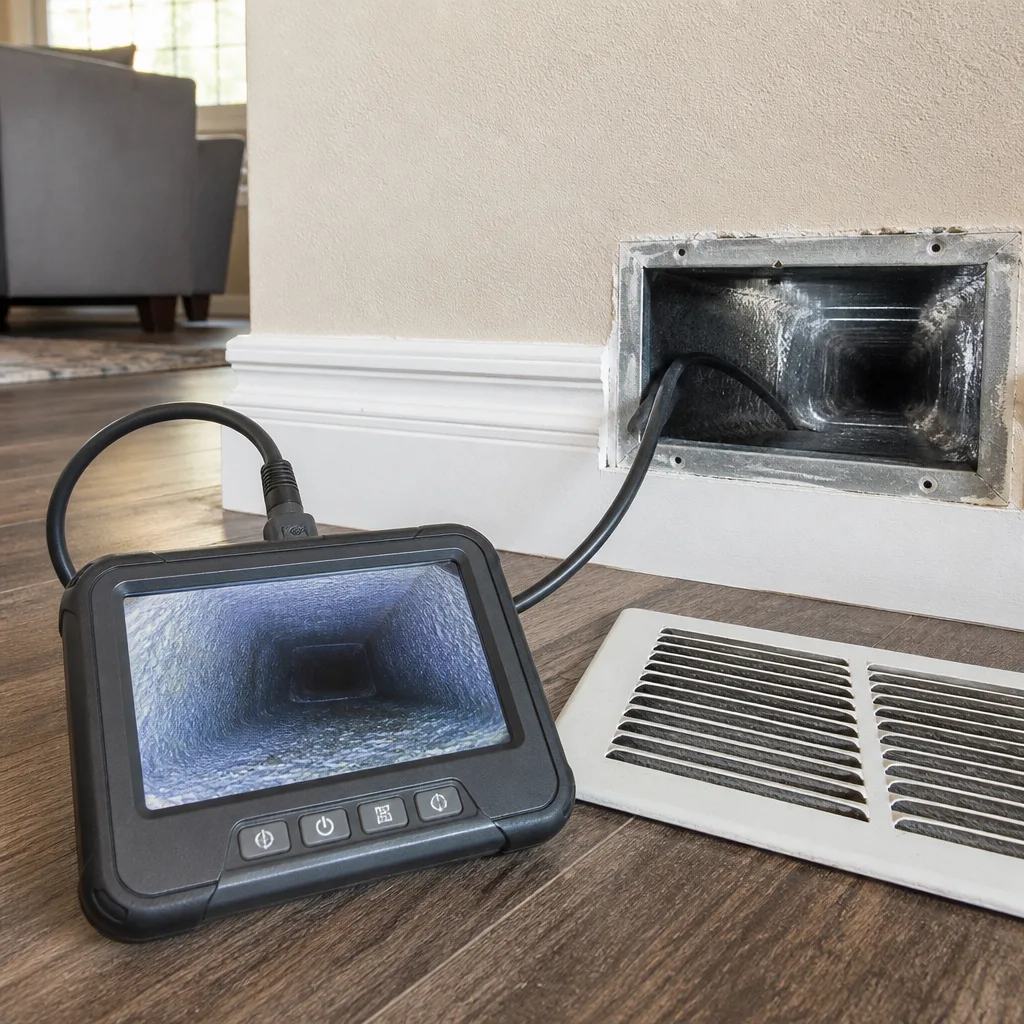
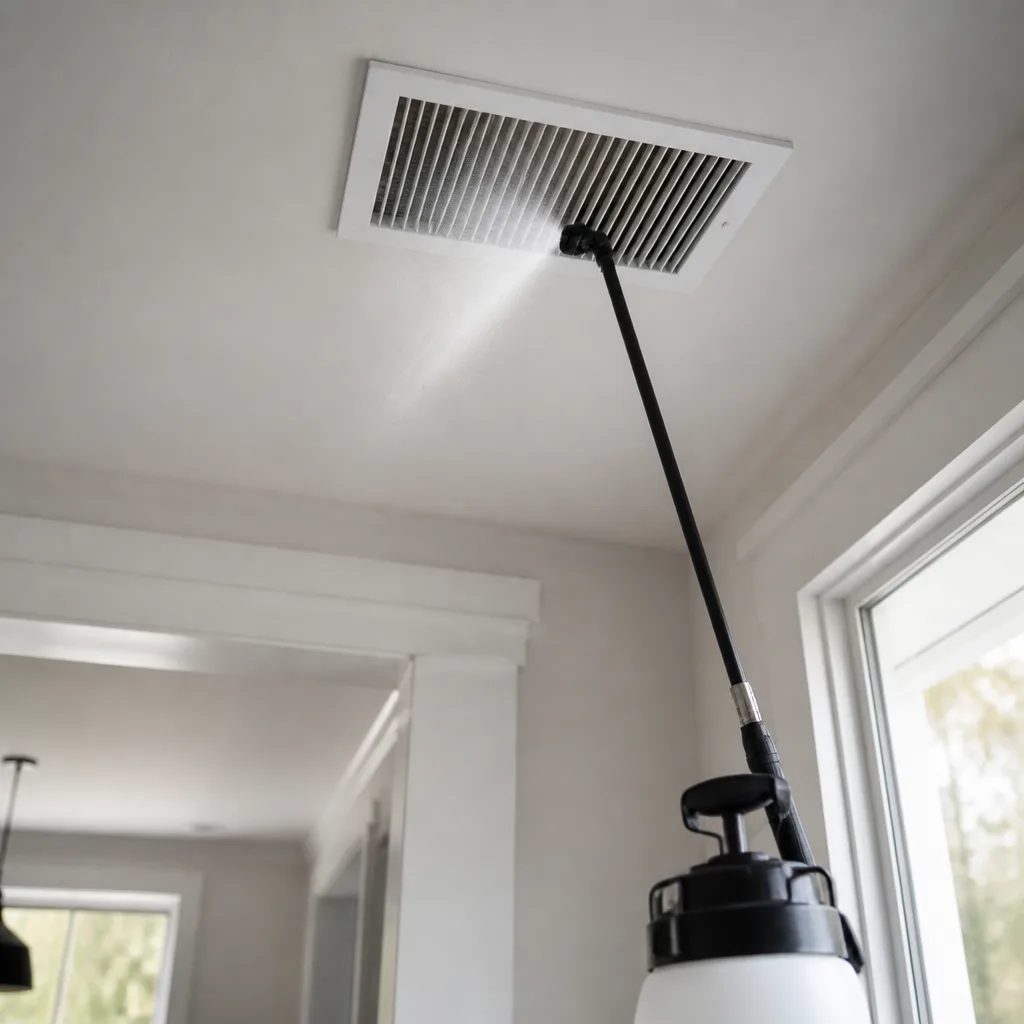
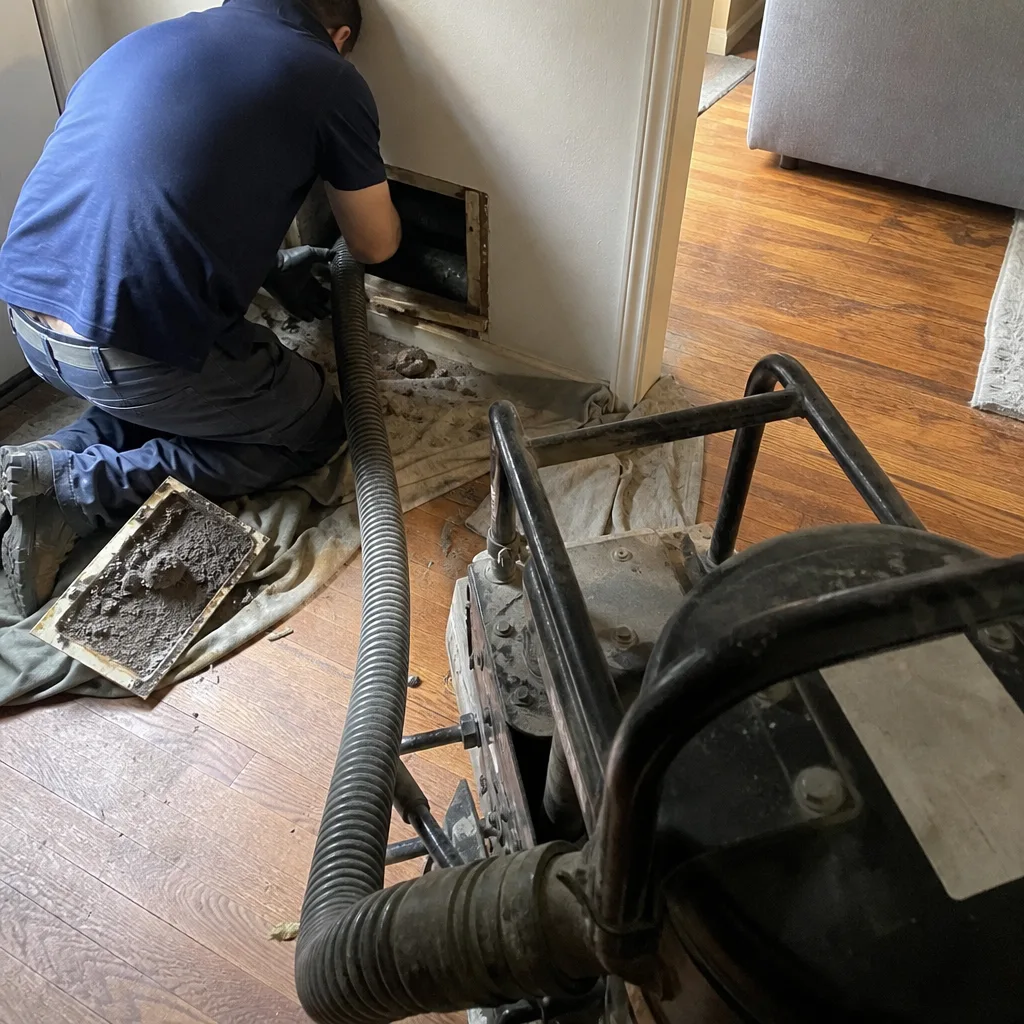 Before
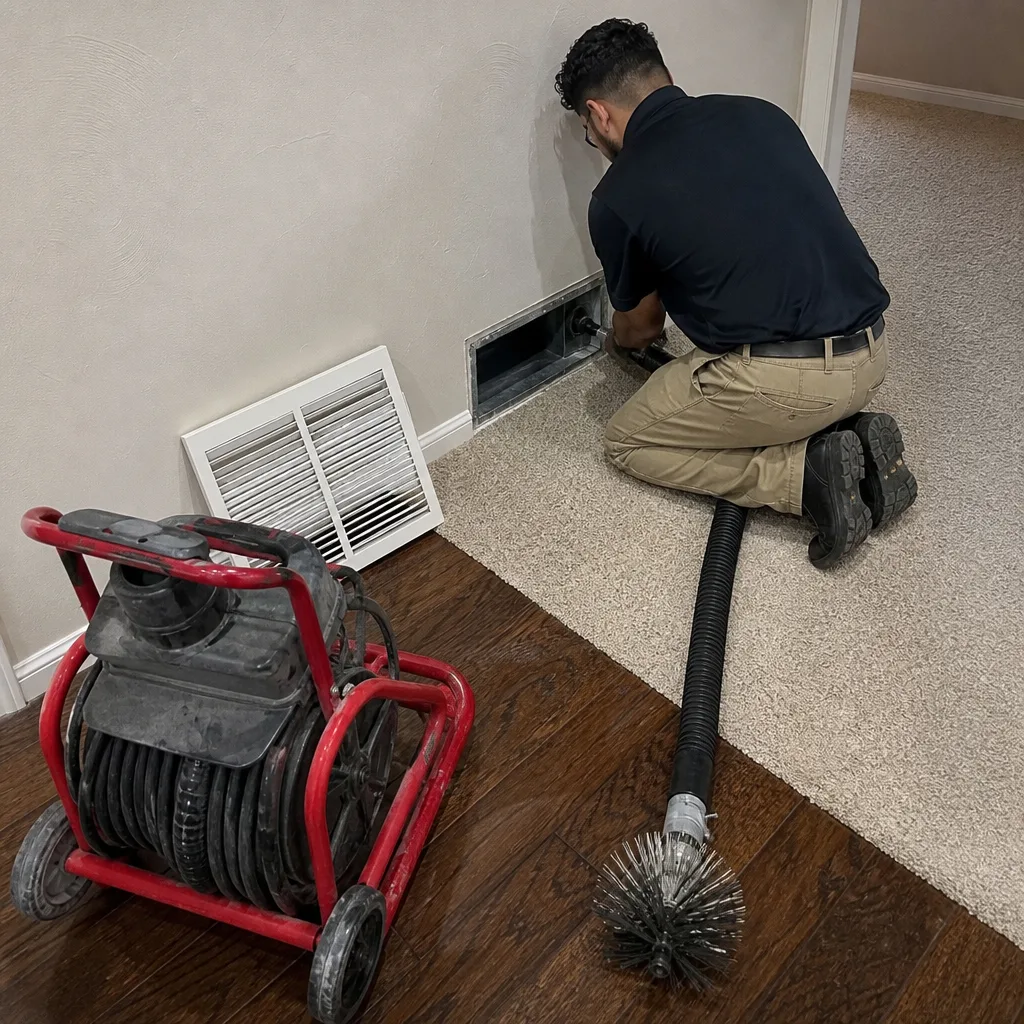 After
After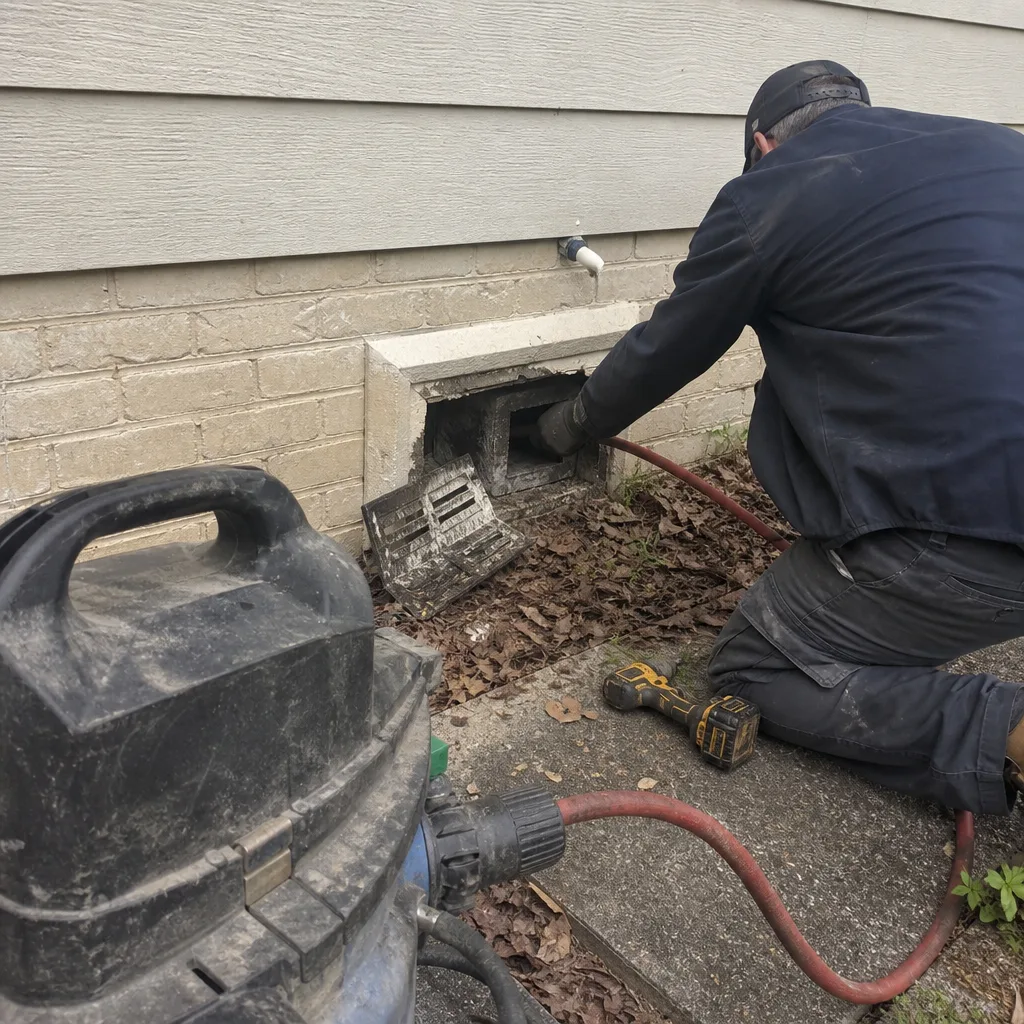 Before
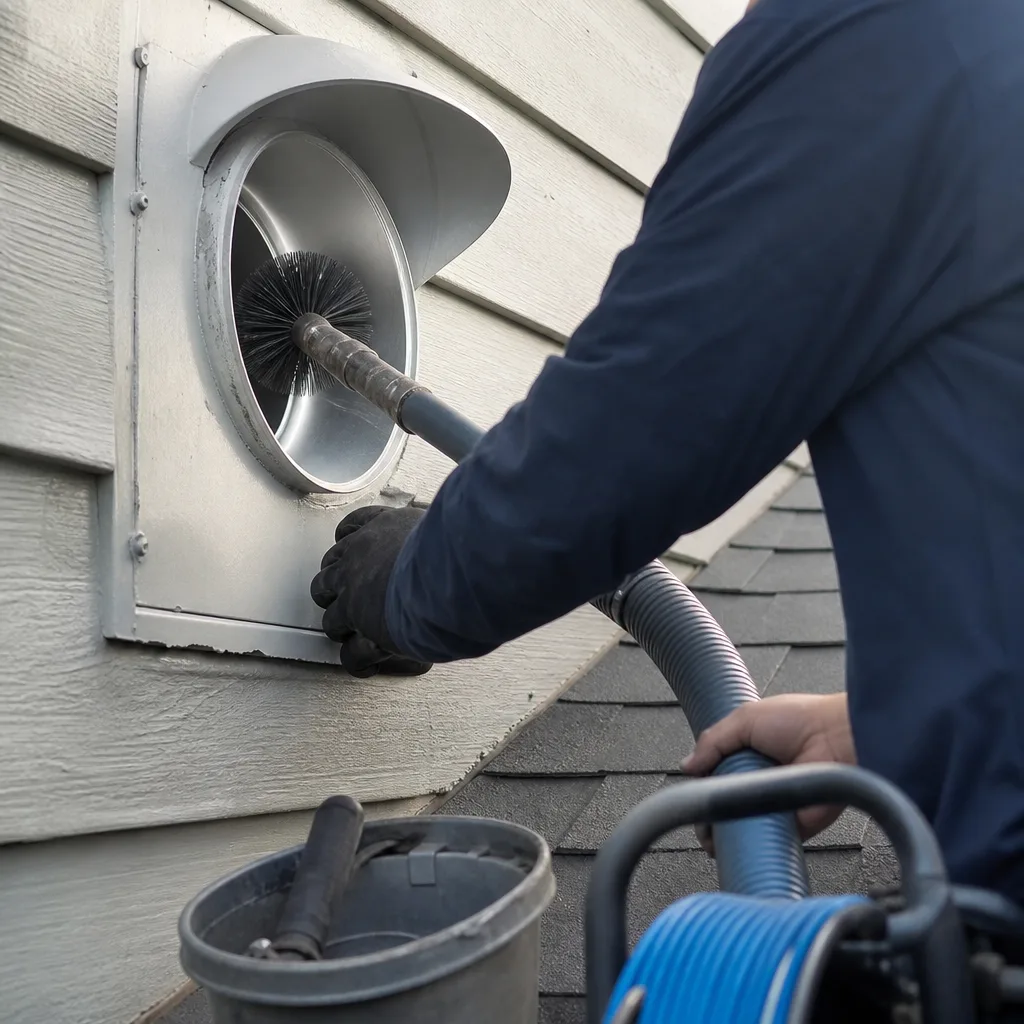 After
After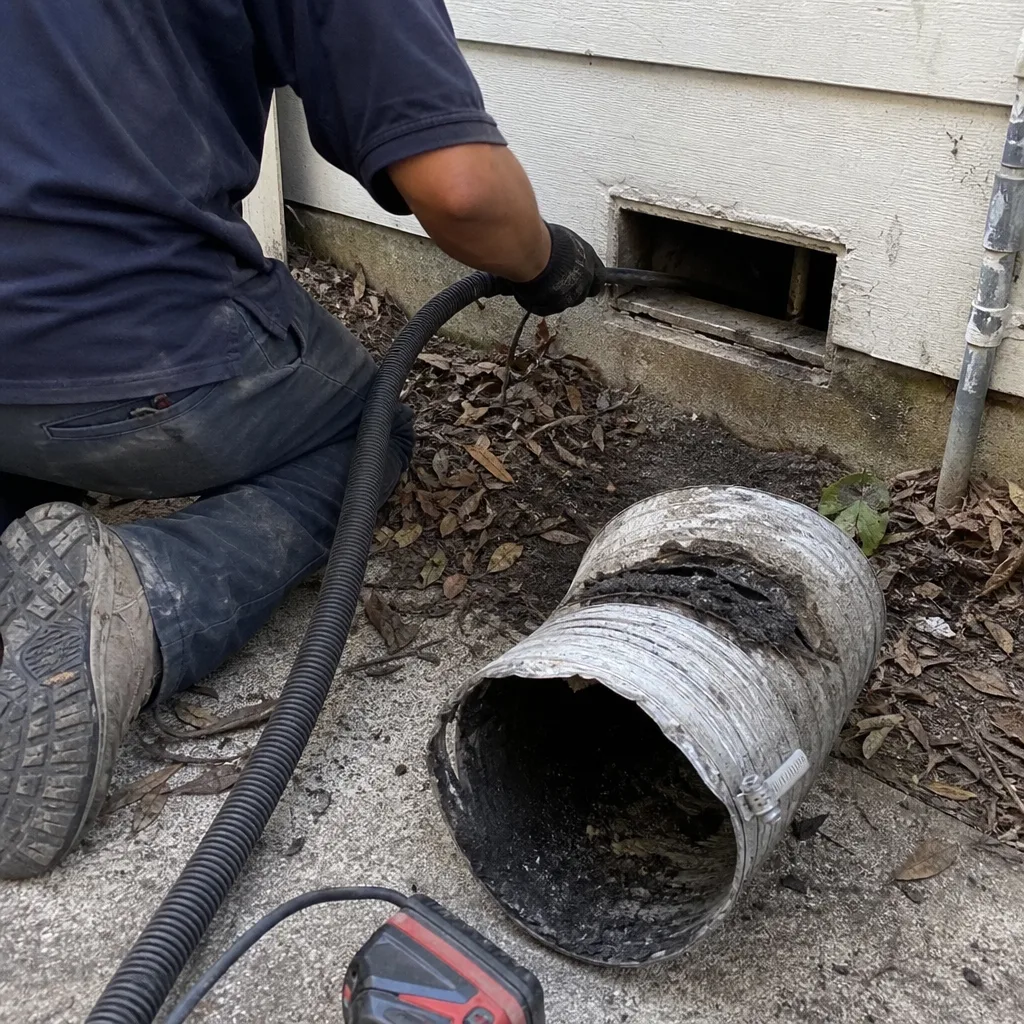 Before
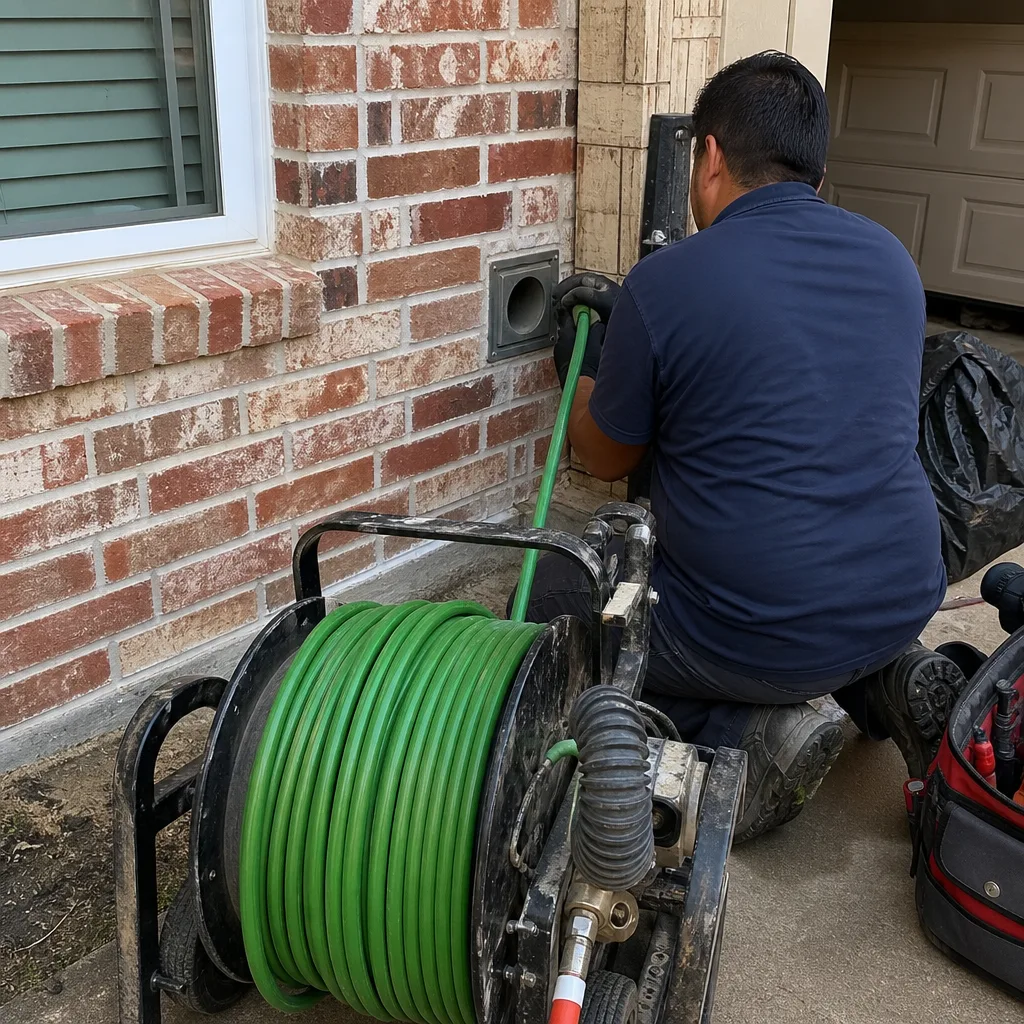 After
AfterRotobrush Register & Grille Cleaning: The Sugar Land Owner’s Guide
Rotobrush register and grille cleaning in Sugar Land typically runs $280-$420 for a full system service when paired with duct cleaning, or $140-$220 as a standalone register treatment, and we stock the full Rotobrush brush-and-vacuum attachment set for same-day scheduling. Most Sugar Land homeowners discover the need when they notice visible dust blowback after a standard duct cleaning, or when registers in high-humidity rooms like kitchens and bathrooms show dark staining that won’t wipe clean. The Rotobrush system uses a rotating brush head combined with negative-pressure extraction to agitate and remove debris from the register face, the grille slats, and the short duct collar behind it, areas that standard vacuum wands typically miss.
Which Rotobrush Models This Applies To
The register and grille cleaning attachments we carry fit the Rotobrush Beast series, the Rotobrush aiR+, and the legacy Rotobrush Classic models still common in residential fleets across the Houston metro. Identification is straightforward: the Beast uses a quick-connect collar with a yellow release tab, the aiR+ uses a black twist-lock fitting, and the Classic requires a threaded adapter that we keep in stock. Brush head diameter matters more than most owners expect. The standard 8-inch brush works for most residential floor and wall registers, but ceiling grilles in Sugar Land’s newer construction, particularly in Telfair and Riverstone, often need the 12-inch brush to cover the full grille face without leaving debris at the edges. We stock both sizes, plus the 6-inch detail brush for bathroom and utility room registers.
OEM Rotobrush brushes carry a part number starting with RB- and run roughly 40% higher than the aftermarket equivalents we source from Guardsman. The aftermarket brushes use the same nylon bristle density and hold up comparably in our documented field use, but we always confirm compatibility against your unit’s serial plate before quoting. One gotcha: the Beast series shipped with two different motor couplings between 2019 and 2021. The early coupling has a flat keyway, the later one uses a splined shaft. We verify this at the truck before starting work, because forcing the wrong brush onto a stripped coupling turns a $300 job into a $900 motor replacement.
Signs Your Rotobrush Register & Grille Cleaning Is Failing
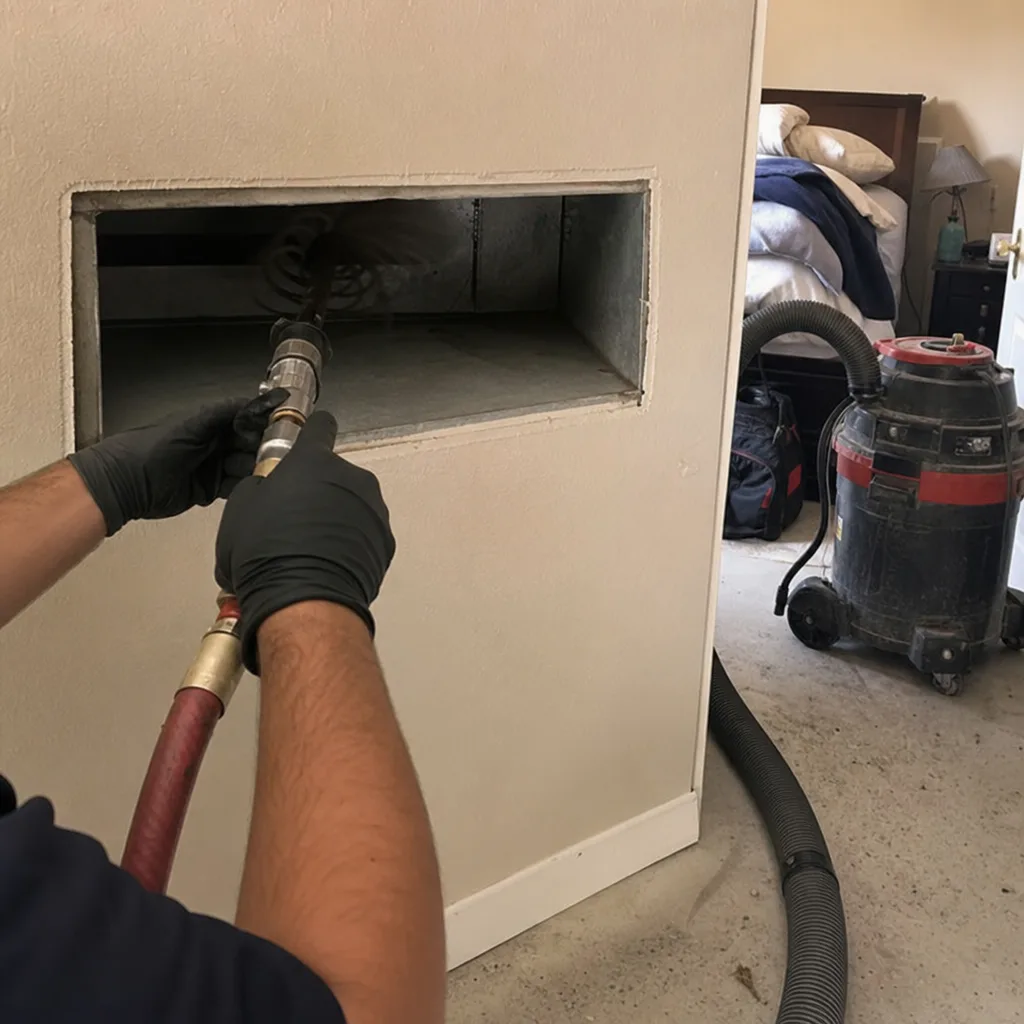
- Visible dust puffing from registers after the system cycles off. This usually means the brush head has worn past its effective bristle length and is no longer making contact with the duct collar walls, leaving a ring of settled debris that the vacuum port can’t reach. We see this most often in Sugar Land homes with pets or recent renovation work.
- Uneven cleaning patterns on the grille face, with streaks or missed corners. The brush spindle bearing is failing, causing the head to wobble instead of rotating true. Left unchecked, the wobble wears the vacuum seal and reduces suction by half or more.
- The vacuum motor runs but debris collects at the register lip instead of entering the hose. The vacuum hose cuff at the register boot has cracked or lost its seal, common after two to three years of Texas heat cycling in unconditioned attics. We replace the cuff with a silicone-reinforced version rated for 180°F.
- Black or green staining that returns within weeks of surface cleaning. This indicates mold-adjacent growth in the register collar, typically where Sugar Land’s Gulf Coast humidity meets cool conditioned air. The Rotobrush agitation alone won’t resolve it; we pair the cleaning with a register-specific antimicrobial treatment.
- Brush head stalls or seizes mid-run, particularly at ceiling registers. The flex shaft cable is binding, usually from dry lubrication or kinking in the 10-foot extension section. We stock replacement cables and apply a food-grade lubricant during reassembly.
BeforeAfterReplacement Cost & What’s Included
| Service | Price Range | What’s Included |
|---|---|---|
| Register & grille cleaning (standalone, 1-2 registers) | $140-$220 | Brush head, vacuum extraction, photo record, collar inspection |
| Full system with register & grille treatment | $280-$420 | All registers, full duct run cleaning, before/after photo record |
| Register collar antimicrobial treatment | $45-$75 per register | EPA-registered application, documented with photo |
| Brush head or flex shaft replacement (parts only) | $85-$165 | OEM or Guardsman equivalent, installed, with 365-Day Done Right Promise |
The range depends on register count, ceiling height (ladder work adds time), and whether we find debris buildup that requires extended agitation. Every quote is written before work starts under Haven Standard Clause 1. No per-register add-ons, no trip charges, no equipment fees. The 365-Day Done Right Promise covers the workmanship and any part we install. CleanRun Duct Repair & Cleaning is an independent service provider, not affiliated with Rotobrush.
DIY or Call Us?
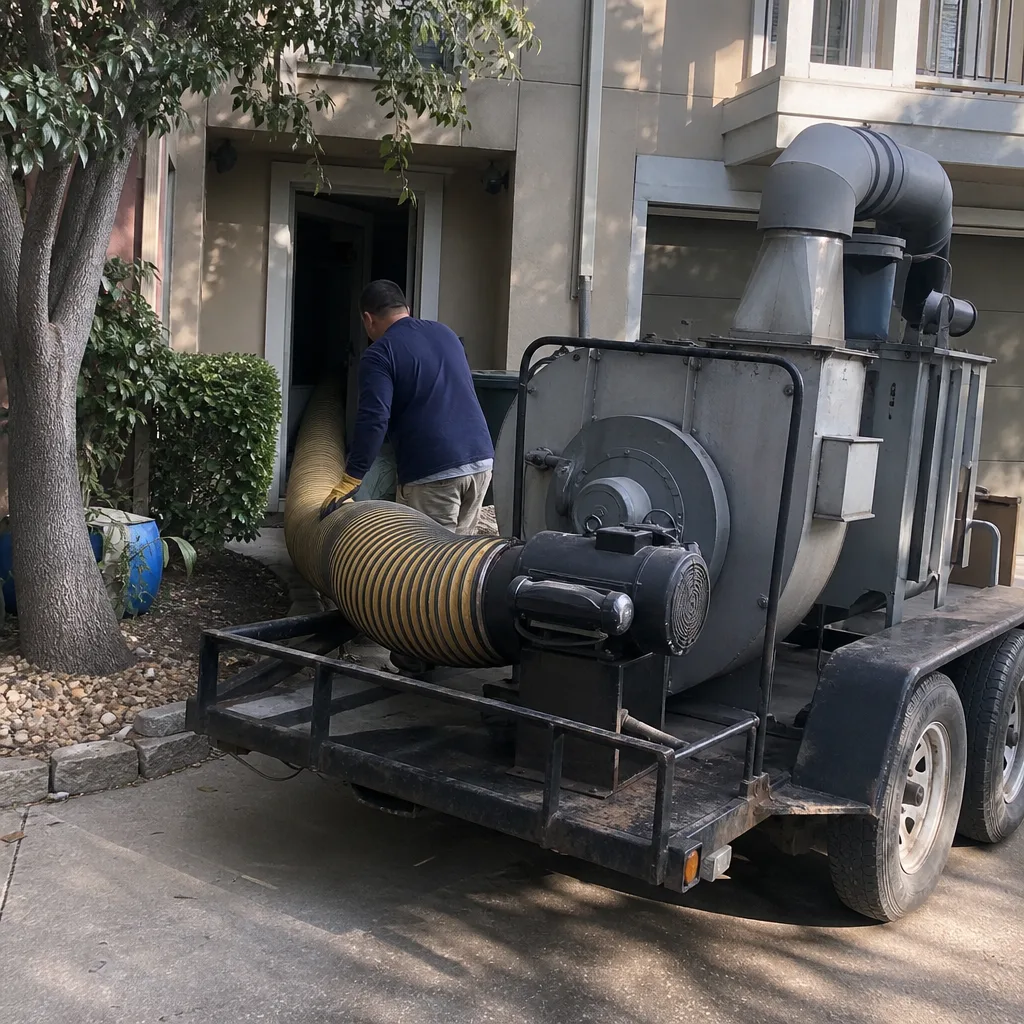
An owner can safely check three things: confirm the brush head spins freely by hand with the unit unplugged, inspect the vacuum hose for cracks or loose cuffs, and verify the register screws aren’t stripped. These checks take ten minutes and tell you whether the problem is a worn consumable or something deeper.
Where DIY goes wrong is in the flex shaft lubrication and the register collar antimicrobial work. The flex shaft runs inside a sealed housing; improper reassembly after lubrication causes binding that burns the motor. The antimicrobial treatments available to homeowners are typically surface-only products that don’t reach the collar interior, and misapplied chemicals can damage painted register finishes. We’re background-checked, uniformed, and identified by name before arrival under Haven Standard Clause 3: Verified Crews. Call (346) 421-3357 for a written estimate.
FAQs
Residential brush heads typically last 80-120 register cleanings before bristle wear reduces effectiveness, which for most Sugar Land homeowners translates to 4-6 years of normal use. Homes with recent construction dust, multiple pets, or pollen-heavy locations near Brazos River Park may see closer to 3 years. We check bristle length against the manufacturer spec during every service and note it in your photo record.
Physical damage like cracks or separated seams requires replacement of the collar or the entire register assembly, but surface debris and staining are fully recoverable with proper agitation and extraction. We photograph the collar interior before recommending anything. Look at the photo first. Then we’ll talk about what needs to happen.
A standard residential system with 8-12 registers takes 2.5 to 4 hours, including setup, the documented photo record, and breakdown. Ceiling registers in two-story homes add roughly 15 minutes each for ladder positioning and safety protocol. We schedule a four-hour window and typically finish early.
We carry brush heads in 6-inch, 8-inch, and 12-inch sizes, flex shaft cables, vacuum hose cuffs, and both motor couplings for the Beast series. Specialty parts for discontinued Classic models we source overnight from our Houston supplier. If your unit needs a part we don’t have, we tell you before we start, not after we’ve taken anything apart.
Written by Tomas Reyes, Owner, CleanRun Air Duct Cleaning Sugar Land at CleanRun Air Duct Cleaning Sugar Land, serving Sugar Land and nearby areas.