
Whole-system duct and dryer vent check with before-and-after photos - you see exactly what came out of your vents
That "$99 whole-house special" is a bait ad - the real number appears once they are in your hallway, or the "clean" is a shop-vac at the register. We photograph the inside of your ducts before and after instead.
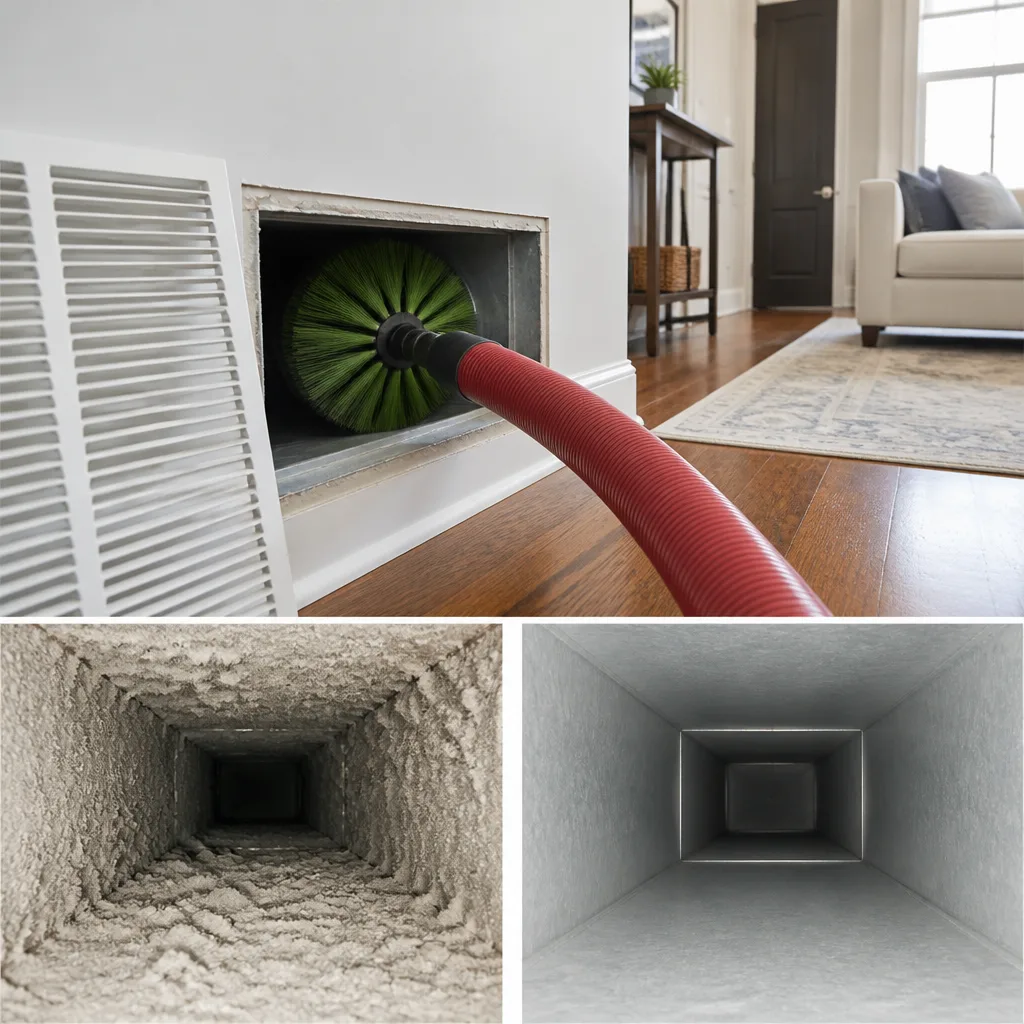
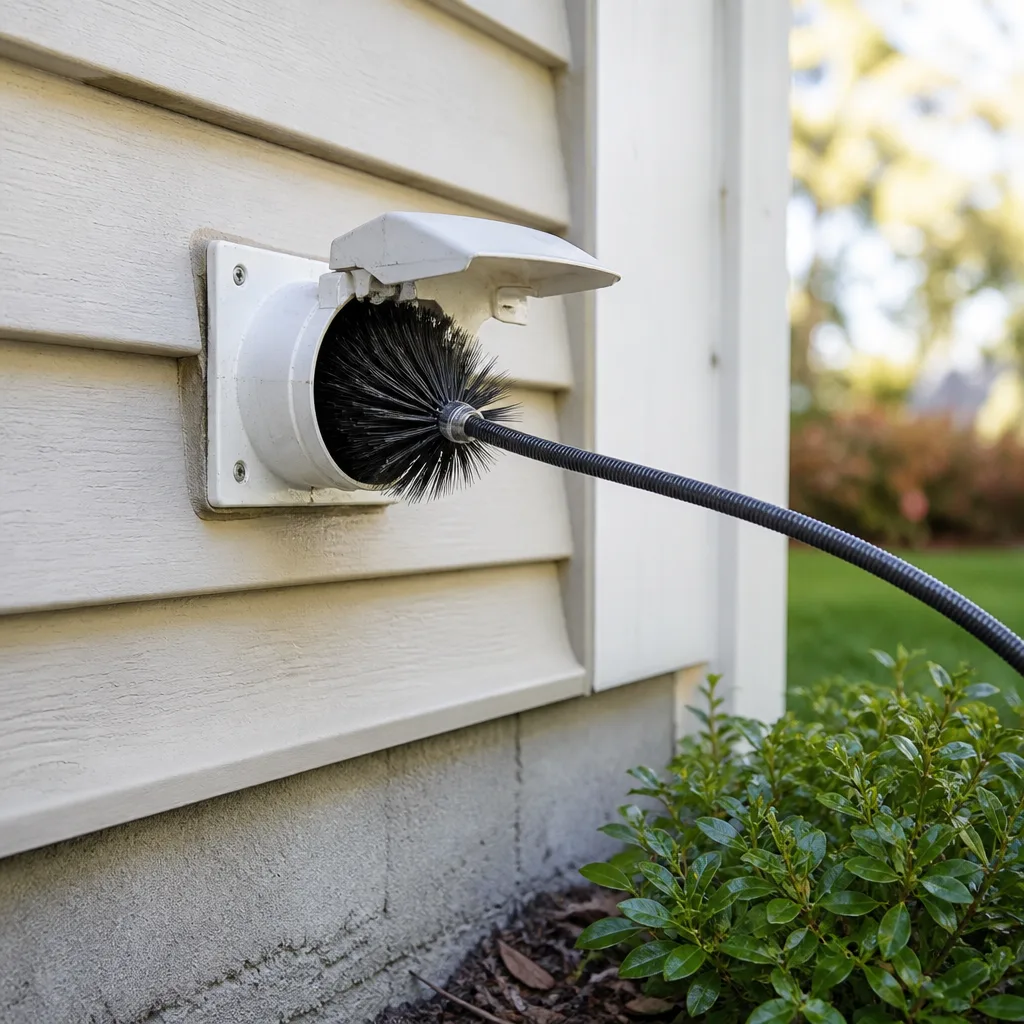
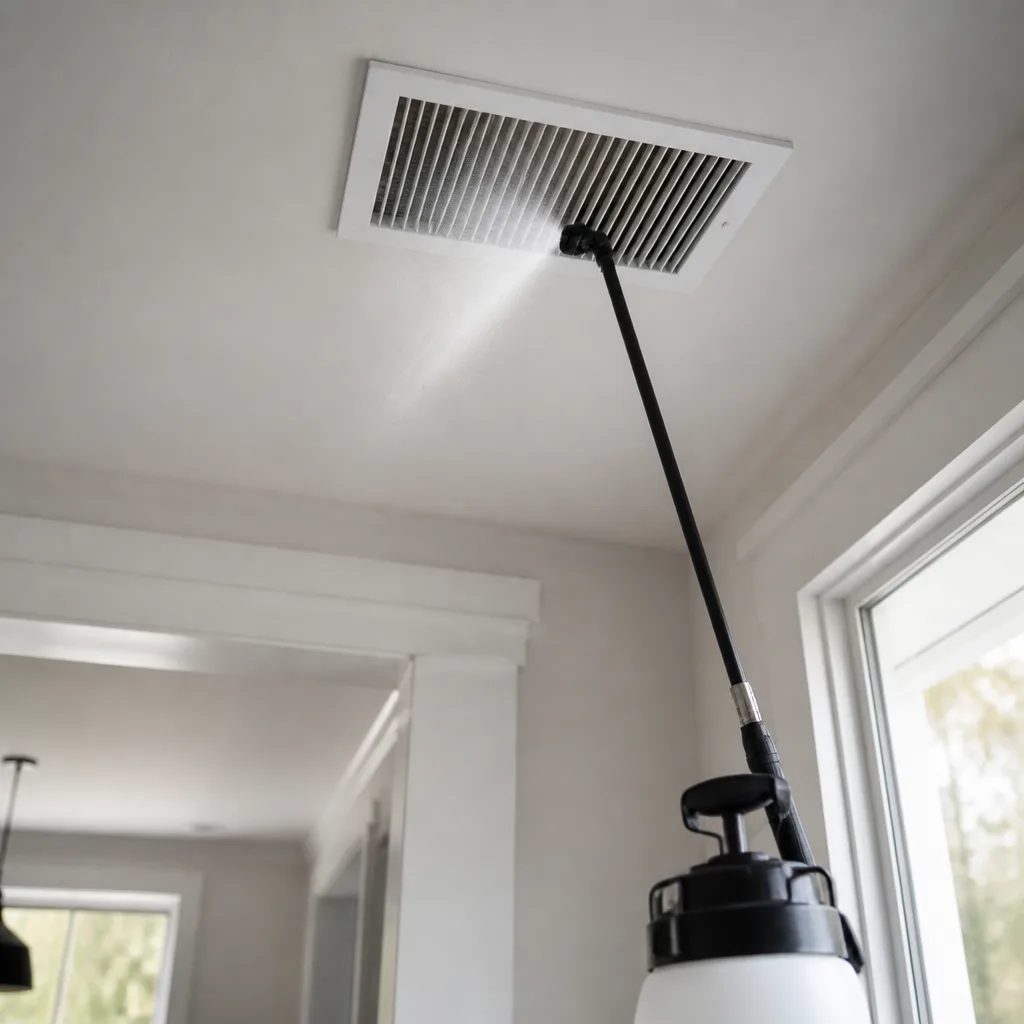
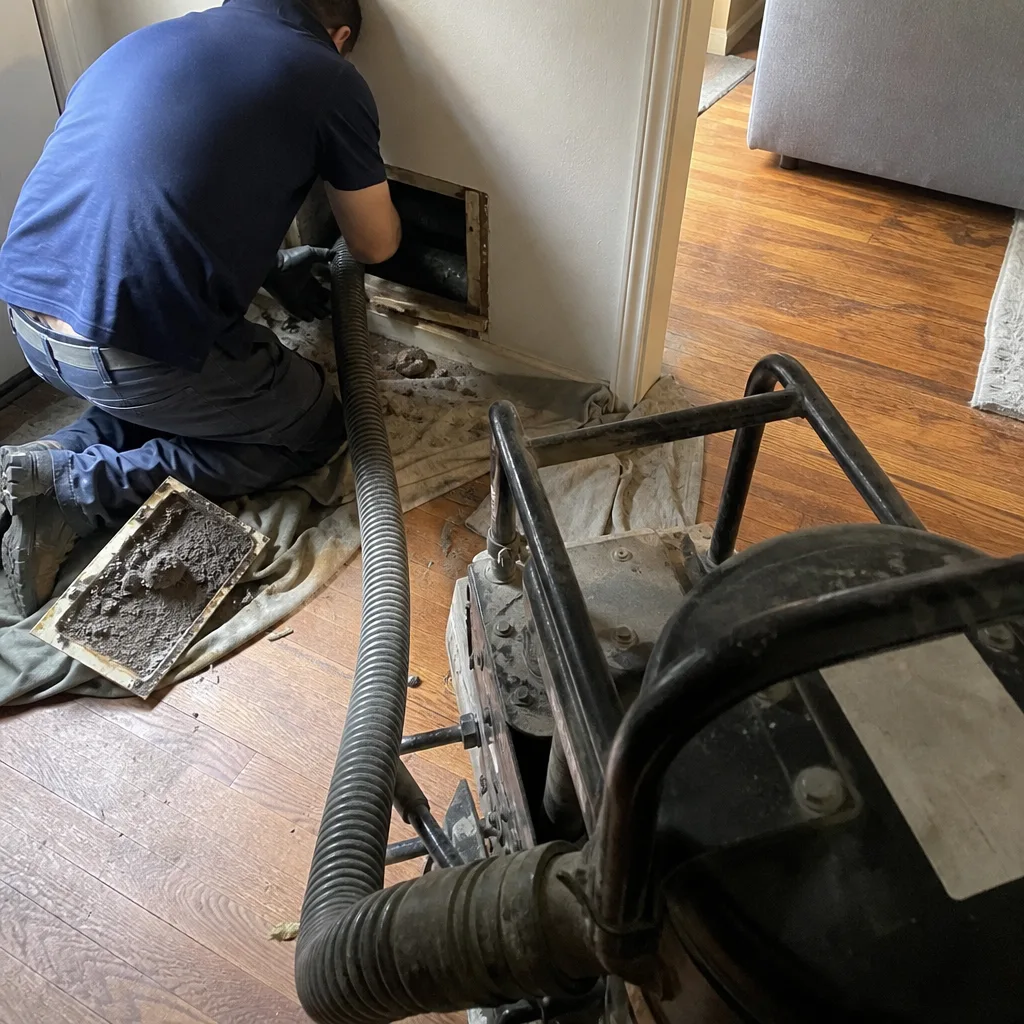 Before
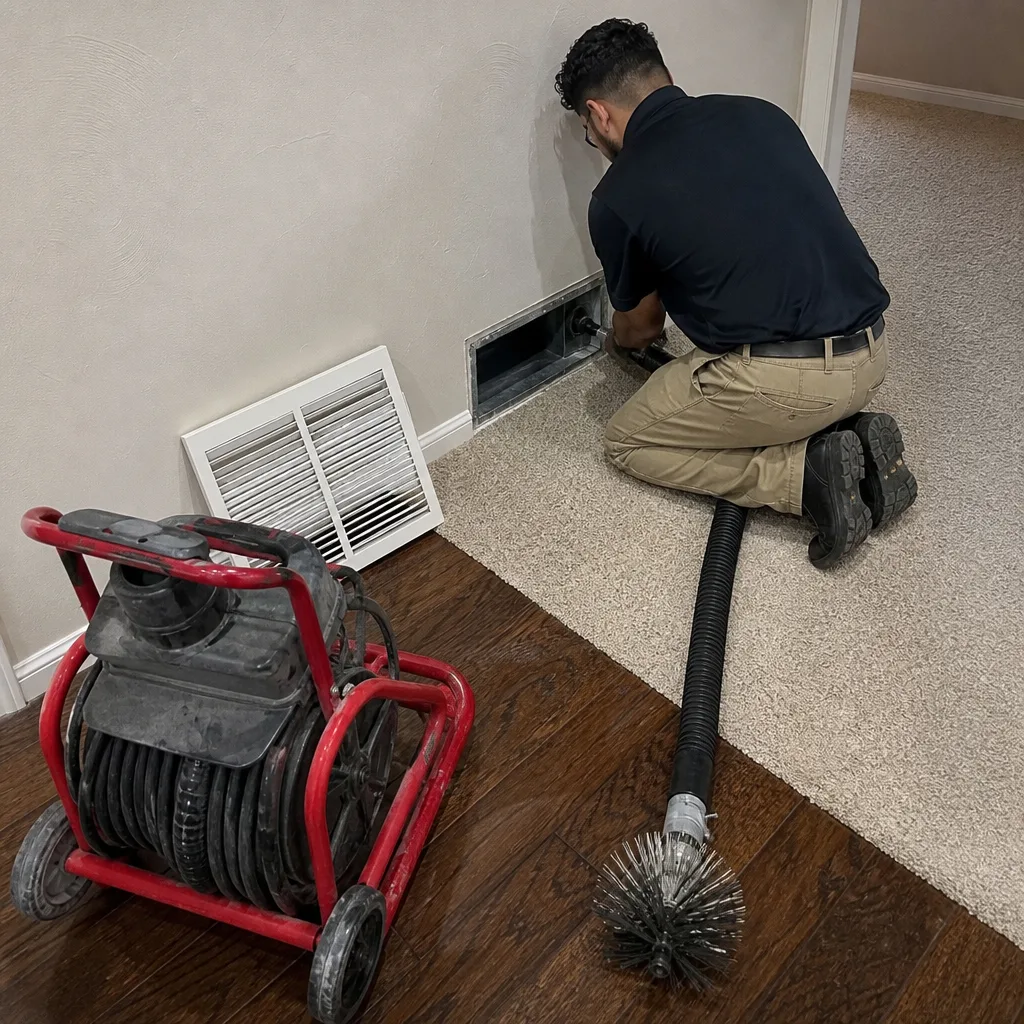 After
After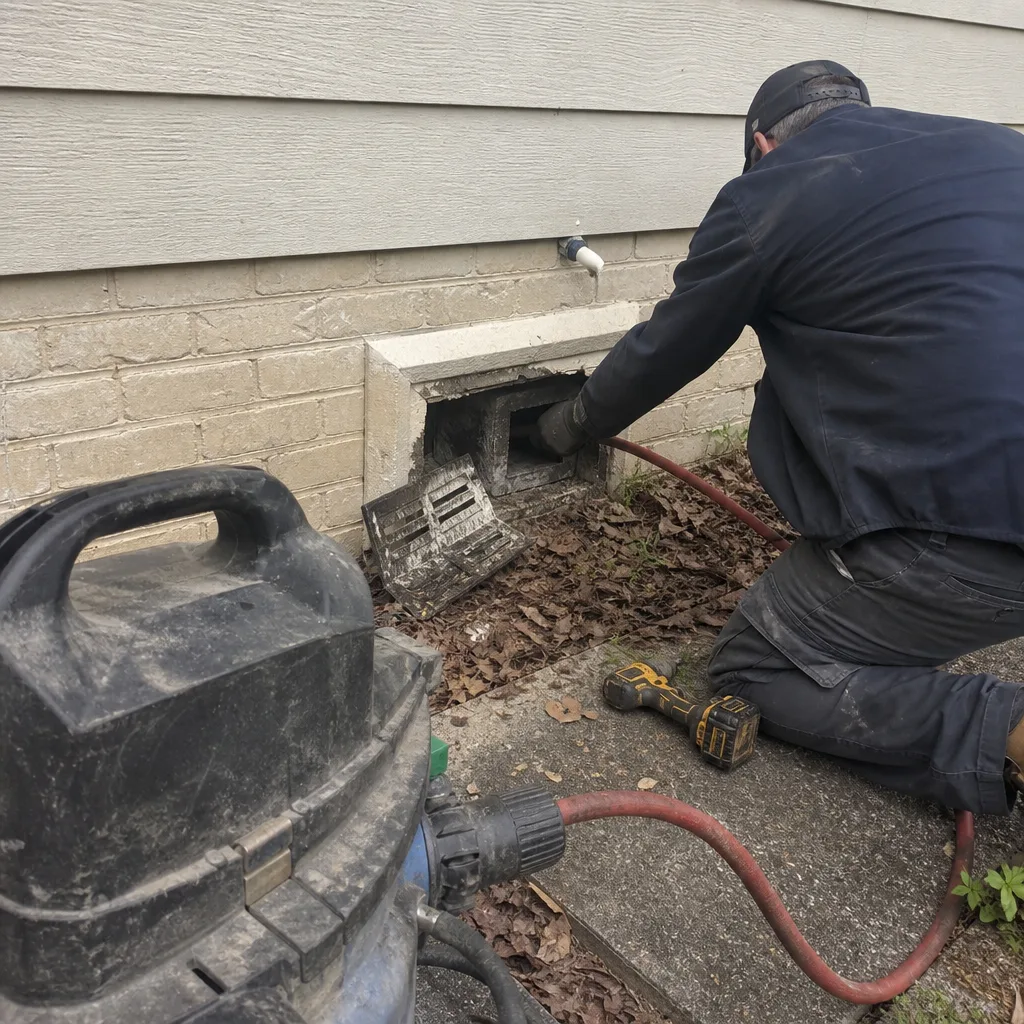 Before
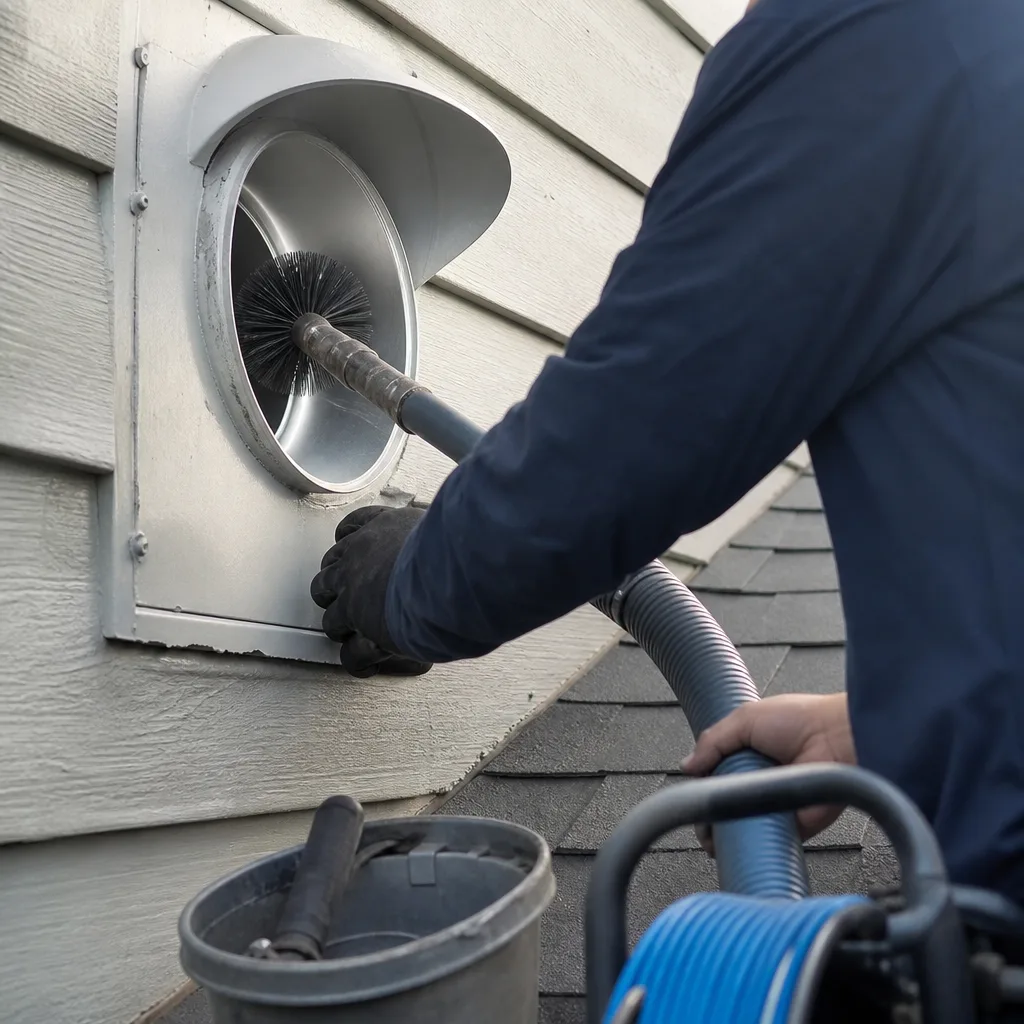 After
After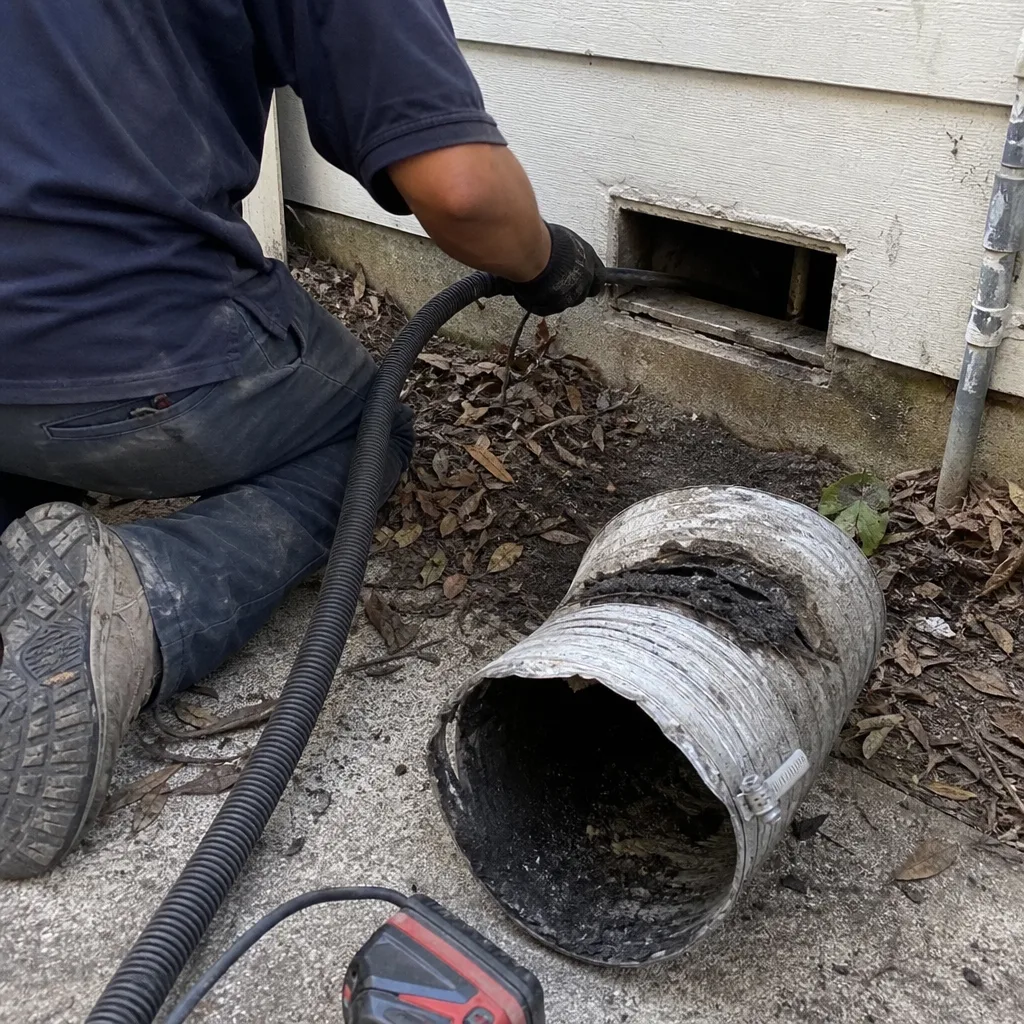 Before
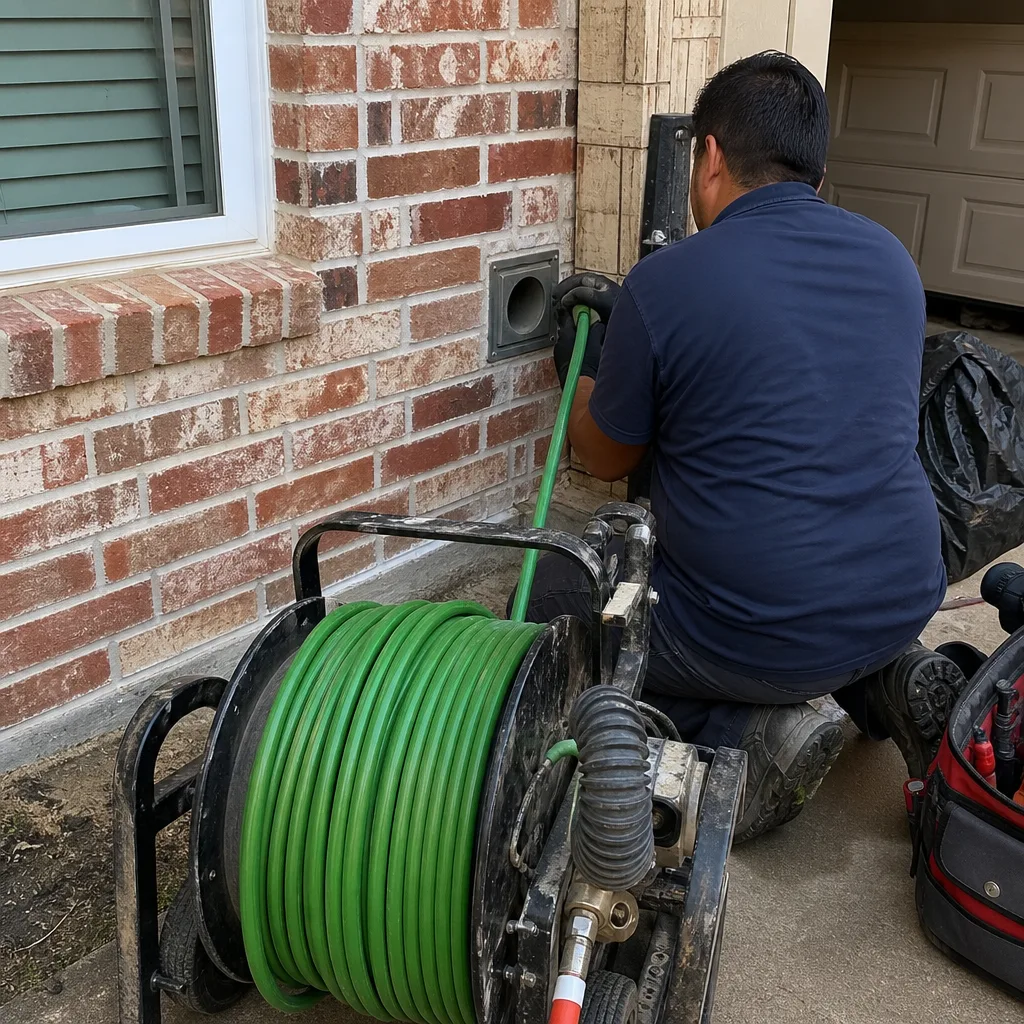 After
AfterVideo Inspection in Sugar Land, TX
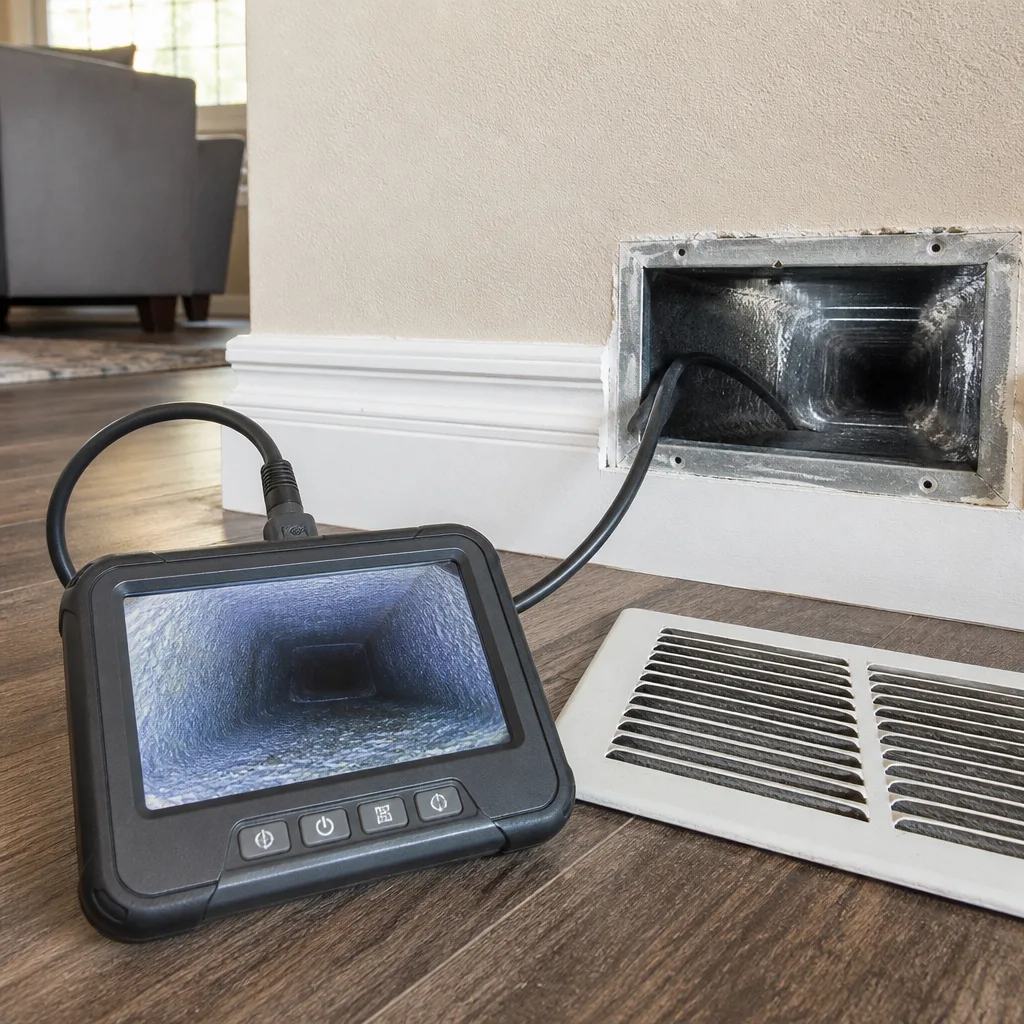
Duct video inspection in Sugar Land uses a small camera mounted on a flexible rod to record what’s actually inside your duct system – debris buildup, mold growth, disconnected joints, collapsed liner, or pest intrusion – before anyone recommends a single dollar of cleaning or repair work. The camera feeds live footage to a monitor, and that footage becomes part of your written job record. If a technician can’t show you what they found, you have no way to know whether the work they’re proposing is necessary.
CleanRun Duct Repair & Cleaning has photographed the inside of duct systems in Sugar Land since 2013 – more than 52,000 homes served across the greater Houston area, every one documented with a before-and-after photo record. When Tomas Reyes built CleanRun’s service model, the camera-first approach wasn’t a selling feature; it was the baseline. We don’t quote work we haven’t seen, and we don’t show you a price without first showing you what’s behind it.
If you’d like to understand what’s in your duct system before committing to anything, call us at (346) 421-3357. A live person answers every call, and your written price is ready before a single panel comes off your system. For a full picture of what a duct cleaning appointment looks like from start to finish, see our Air Duct Cleaning in Sugar Land page.
When You Need Video Inspection
Most Sugar Land homeowners request a duct video inspection when something’s off but they can’t pin down the cause. These are the situations where the camera answers the question faster than any other diagnostic:
- You’ve had persistent allergy or respiratory symptoms indoors. If your home’s air feels worse than the air outside, the duct system is a reasonable place to look first – especially in Sugar Land, where high humidity from April through October encourages microbial growth inside duct liner.
- You’re buying or selling a home. Standard home inspections rarely go inside duct runs. A camera inspection before closing gives you documented evidence of the system’s condition – useful for negotiation and for your own records after move-in.
- You’ve received a cleaning estimate that came with no visual evidence. If a contractor quoted you a price without first putting a camera inside the system, a second-opinion inspection is how you find out whether the work is warranted. CleanRun offers a Free Second Opinion on any written estimate – we put our own number next to theirs in writing.
- You’re noticing inconsistent airflow or hot and cold rooms. In Sugar Land neighborhoods like Greatwood and New Territory, homes built in the late 1990s and early 2000s frequently develop collapsed flex duct at mid-span, which restricts airflow to specific rooms. The camera locates the failure point exactly.
- You’ve had pest activity or suspect it. Rodents sometimes enter duct systems through exterior grilles or foundation penetrations. A video inspection confirms whether there’s nesting material or structural damage inside the runs – and documents it for your records and for any pest control contractor who follows us.
- Your HVAC system is more than 10 years old and has never been inspected internally. Sugar Land’s heat loads are among the highest in the state; systems run long hours from May through September. A decade of operation without visual inspection is a reasonable trigger for a documented look inside.
Our Video Inspection Process
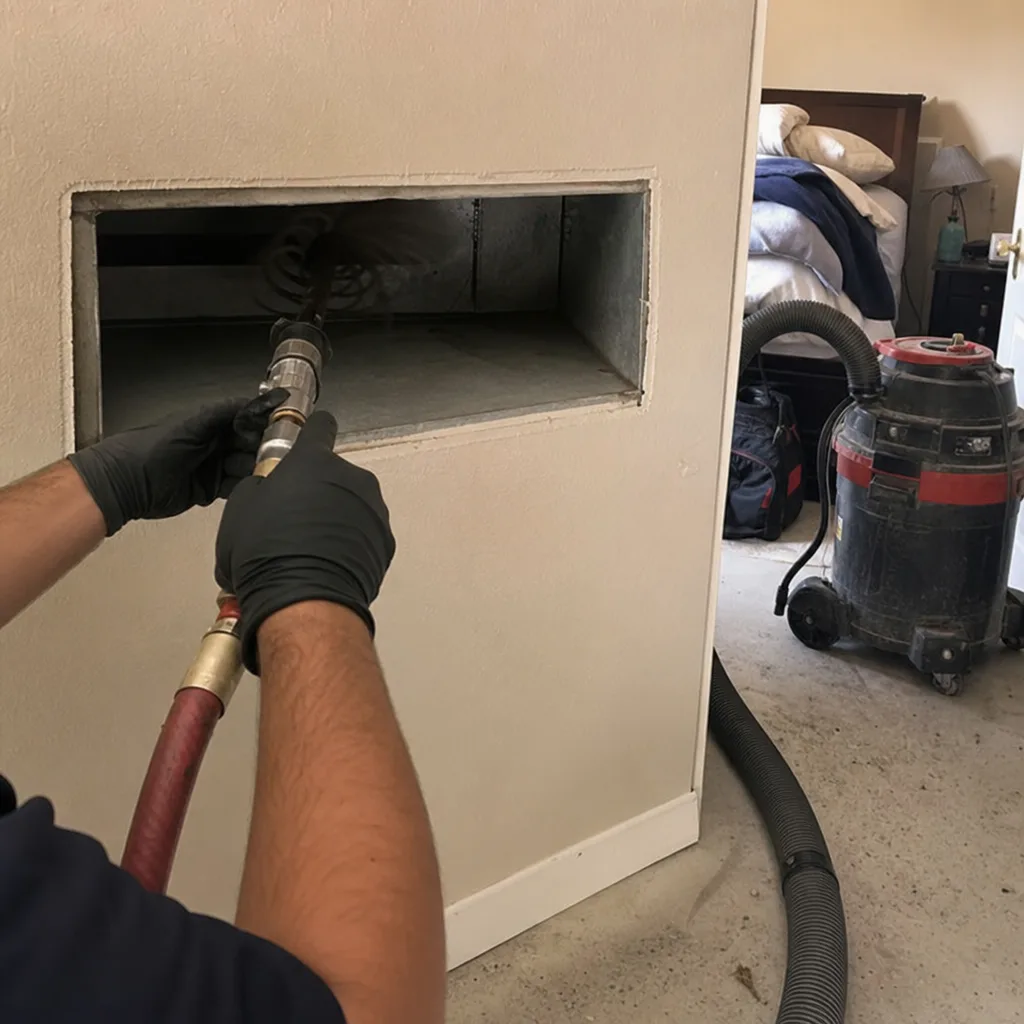
The inspection is methodical and documented at every step. Here’s exactly what happens when a CleanRun technician arrives at your Sugar Land home:
- Written scope and price before anything opens. Under Haven Standard Clause 1, your technician delivers a written price for the inspection before any access panel is removed or any equipment is connected. You review the number, ask questions, and approve in writing. There is no verbal-only estimate at CleanRun.
- System walkthrough and register mapping. The technician walks the home, locates every supply and return register, notes the system layout, and identifies access points. In Sugar Land slab-foundation homes, duct systems are almost always run through the attic rather than a crawlspace, which affects camera routing and which runs require extension rods.
- Camera insertion and live-feed recording. A flexible inspection camera – designed for duct-system diameters and bend radii – is inserted at each duct run from the register opening. The live feed records continuously. The technician notes the footage timestamp for each run so the final report is organized by location, not by sequence of inspection.
- Findings documented in plain language. As the camera moves through each run, the technician narrates findings into the job record: debris type, approximate depth, any structural issues (separated joints, torn liner, crushed sections), and any biological material that warrants closer attention. “The camera showed a 4-inch debris accumulation at the first elbow off the plenum – the plenum being the central distribution box that feeds all supply runs” is how we write it, not “your ducts were dirty.”
- Before photos captured and labeled. Still images are captured at identified problem areas and labeled by run and location. These form the baseline of your Documented Photo Record, which is delivered to you as a standard part of the job – not an optional add-on.
- Written findings report and recommended scope. After the camera pass is complete, the technician presents a written findings report with still images attached. If cleaning or repair is recommended, a written price for that scope is delivered at the same visit. You decide what to do with the information. There is no pressure to proceed the same day, and no price changes if you schedule follow-up work for a later date.
BeforeAfterVideo Inspection Pricing in Sugar Land
If you’re wondering How Much Does Air Duct Cleaning Cost? (2026 Price Guide) - Sugar Land, TX, start with the inspection: duct video inspection in Sugar Land typically runs $95 to $195 for a standard residential system, depending on system size, number of duct runs, and access complexity. Here’s how those variables affect the number:
- System size: A 2,000 sq ft single-story home in Telfair with a single-zone HVAC system and 14-16 registers falls toward the lower end of that range. A 3,800 sq ft two-story home in the Commonwealth area with a dual-zone system and 24+ registers sits toward the upper end.
- Access complexity: Attic-run duct systems with tight clearance or long horizontal runs may require additional extension rods and more camera-positioning time. Sugar Land’s common attic-mounted systems are generally accessible, but homes with partial drop ceilings or non-standard plenum configurations add time.
- Combined service pricing: When video inspection is performed as the diagnostic first step before a full duct cleaning, the inspection fee is frequently applied toward the total job cost. That credit is written into your price upfront – it’s not a verbal promise made after you’ve committed to the cleaning.
If you already have a written estimate from another contractor, bring it. CleanRun’s Free Second Opinion puts our own written number next to theirs, and the inspection determines whether the proposed scope matches what the camera actually shows. Call (346) 421-3357 to schedule – the estimate is free, and the written price is ready before the work starts.
What the Camera Actually Finds in Sugar Land Homes
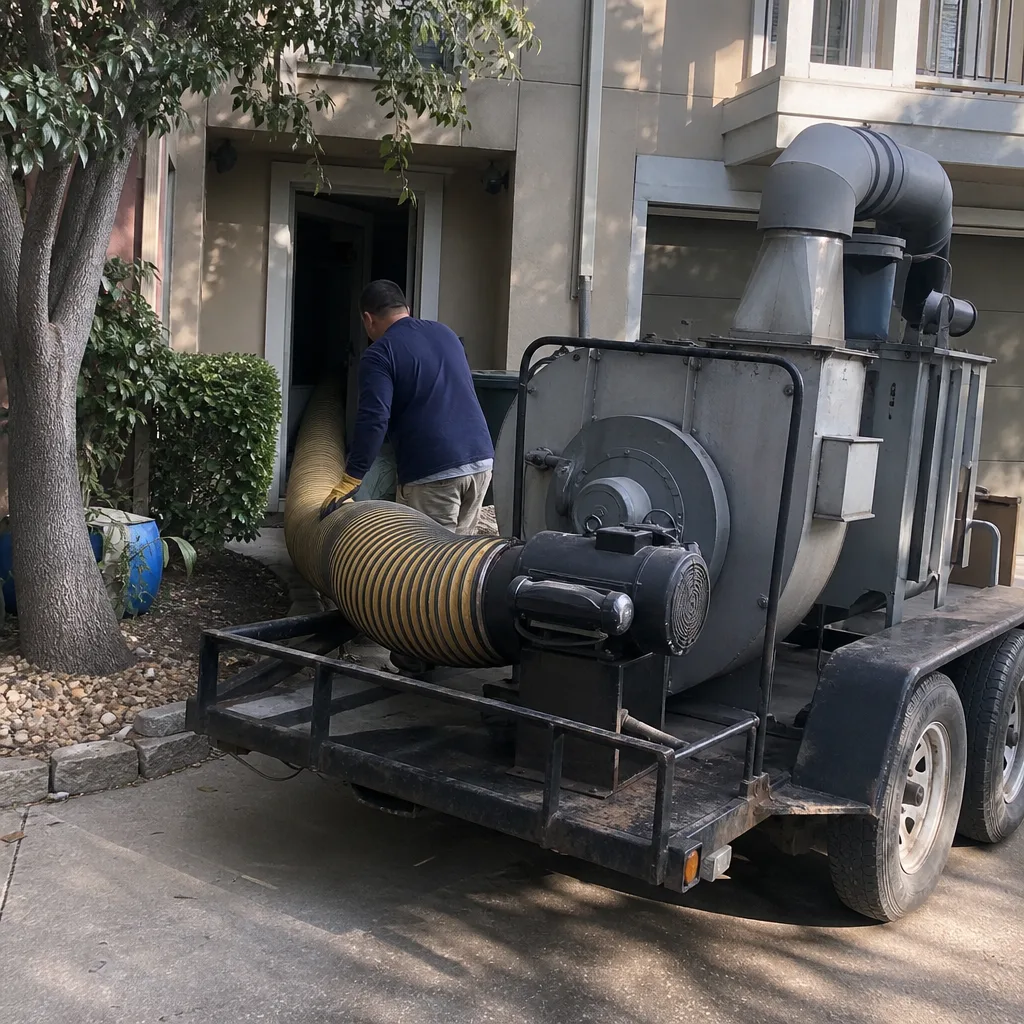
Sugar Land’s climate does specific things to duct systems that other markets don’t see at the same rate. Understanding what we commonly document helps you know what you’re looking for in the footage.
Debris Accumulation at Elbows and Transitions
Flex duct – the corrugated, insulated tubing used in almost every Sugar Land attic installation since the 1980s – has a ridged interior surface. Airborne particulates catch on those ridges, and the worst buildup consistently appears at elbow fittings and at the transition from the main plenum to individual runs. We see this in virtually every system older than seven years that hasn’t had Air Duct Cleaning services. The camera timestamps those locations; the written report puts them in sequence so a cleaning scope can be built around them precisely.
Microbial Growth on Liner Surfaces
Sugar Land averages roughly 54 inches of annual rainfall and sits at high relative humidity for much of the year. When HVAC systems cycle off overnight in spring and fall, condensation can form inside duct liner, particularly near unconditioned attic sections. The camera documents any discoloration on liner surfaces that warrants further assessment. We describe what the camera shows; any determination about microbial type requires third-party lab testing, which we can reference but don’t perform in-house.
Disconnected or Separated Joints
Flex duct is secured at both ends with a metal collar, a band clamp, and mastic tape or UL-listed foil tape. In older installations – and in some newer ones where the installation was rushed – that connection fails over time due to thermal cycling and attic temperature extremes. Sugar Land attic temperatures routinely exceed 140°F in July and August. A separated joint means conditioned air is dumping into the attic instead of reaching the register. The camera finds the separation point; the written report documents it with a still image and a location reference.
Collapsed or Kinked Liner
Flex duct needs to be supported at regular intervals and run without tight bends. In homes throughout First Colony and the newer sections of Riverstone, we find runs that were installed with too much slack, creating low points where the liner collapses partially or fully under its own weight. Airflow through a 50% collapsed section can drop by more than half. The camera shows the restriction as a visible narrowing in the run.
Pest Evidence
Rodent intrusion through exterior foundation penetrations or damaged roof boots is not rare in Sugar Land. The camera identifies nesting material, structural damage at entry points, and any contamination of the liner interior. This information is documented and included in your written findings report so a pest control contractor has a specific scope to work from before any duct remediation begins.
The Documentation You Receive
Every CleanRun inspection produces a physical deliverable. This is what you have in your hands when the technician leaves:
- A written findings report organized by duct run, with plain-language descriptions of every condition documented by the camera.
- Labeled still images from the camera footage showing problem areas, timestamped and referenced to the written report.
- A written price for any recommended follow-up work, approved by you before any work begins.
- The 365-Day Done Right Promise in writing: if the inspection missed something or the follow-up work doesn’t hold, CleanRun makes it right. That’s a written commitment on every job, not a policy subject to manager discretion.
The documentation matters beyond the day of service. If you sell the home, that inspection record is a transferable asset. If you have a dispute with an HVAC contractor about system performance, the baseline documentation gives you something concrete to reference. If you schedule follow-up cleaning or repair, the technician arrives with the before-photos already in the job file.
Sugar Land’s Duct Systems: A Note on Construction History
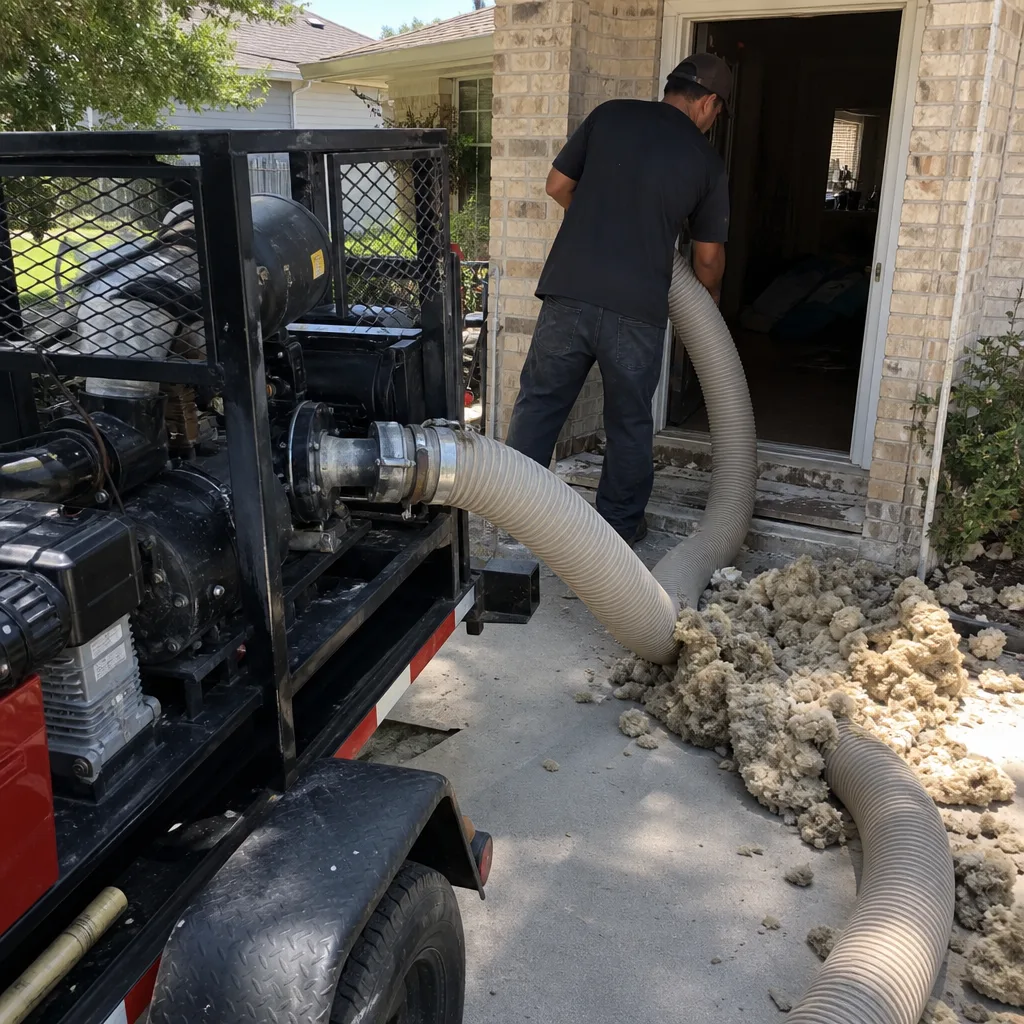
Knowing what was standard practice when your home was built tells you what the camera is likely to find. Sugar Land’s major residential build-outs happened in distinct waves: First Colony and Sugar Creek through the 1980s and early 1990s, Greatwood and New Territory in the mid-to-late 1990s, Telfair and Commonwealth from 2000 through 2010, and Riverstone and surrounding areas through the 2010s and into the current decade.
Homes from the 1980s and early 1990s sometimes have older duct board (rigid fiberglass board duct) rather than flex duct – a material that delaminates over time and sheds fiber into the airstream. The camera identifies this quickly. Homes from the late 1990s through the 2000s are almost universally flex duct in the attic, with the joint-failure and kinking issues described above. Newer construction has improved material and fastening standards, but installation quality varies considerably between builders.
Whatever era your Sugar Land home represents, the camera doesn’t make assumptions based on build year – it shows what’s there.
FAQs – Video Inspection
How much does duct video inspection cost in Sugar Land?
Duct video inspection in Sugar Land runs $95 to $195 for a standard residential system. The exact number depends on how many duct runs your system has, the size of the home, and access complexity in the attic. Your written price is delivered before the inspection starts – there are no surprises after the camera goes in. Call (346) 421-3357 for your written estimate; it’s free and requires no commitment to follow-up Air Duct Cleaning Near Me in Sugar Land, TX.
Does CleanRun use the video inspection to push me into a cleaning I don’t need?
The inspection produces a written findings report with timestamped camera footage and still images. If the camera shows clean duct runs, that’s what the report says – and that’s what you receive in writing. If the camera finds debris accumulation, structural failure, or biological material, the report documents what it found and describes the specific runs affected. You decide what to do with that information. A technician who shows you clean footage and still recommends a full cleaning has no written evidence to back the recommendation. Our evidence-first model makes that scenario self-defeating.
Can I see the footage during the inspection, not just in the report afterward?
Yes. The camera feeds to a monitor the technician carries, and you’re welcome to watch the live feed as the camera moves through each run. Most Sugar Land homeowners find it useful to be present during at least part of the camera pass – it makes the written findings report easier to read when you’ve seen the footage in real time. Tomas Reyes built the inspection model around showing customers what’s in their duct system before discussing what to do about it, and that starts with the live feed, not the report.
What happens if the camera finds something serious, like mold or a fully disconnected duct run?
The technician documents the finding with still images and a written description, and presents a written price for the recommended remediation at the same visit. You’re under no obligation to proceed that day. If the finding involves microbial growth on liner surfaces, we describe what the camera shows and note that third-party lab testing is the appropriate next step for a definitive determination – we don’t perform lab analysis in-house. If a duct run is fully disconnected, the written report shows the still image of the separation point and the written repair price sits beside it. For larger buildings, we also offer Commercial Duct Cleaning with the same documentation standards. You have everything you need to make an informed decision, including the option to get a second written estimate and bring it to us for comparison.
Key Takeaways
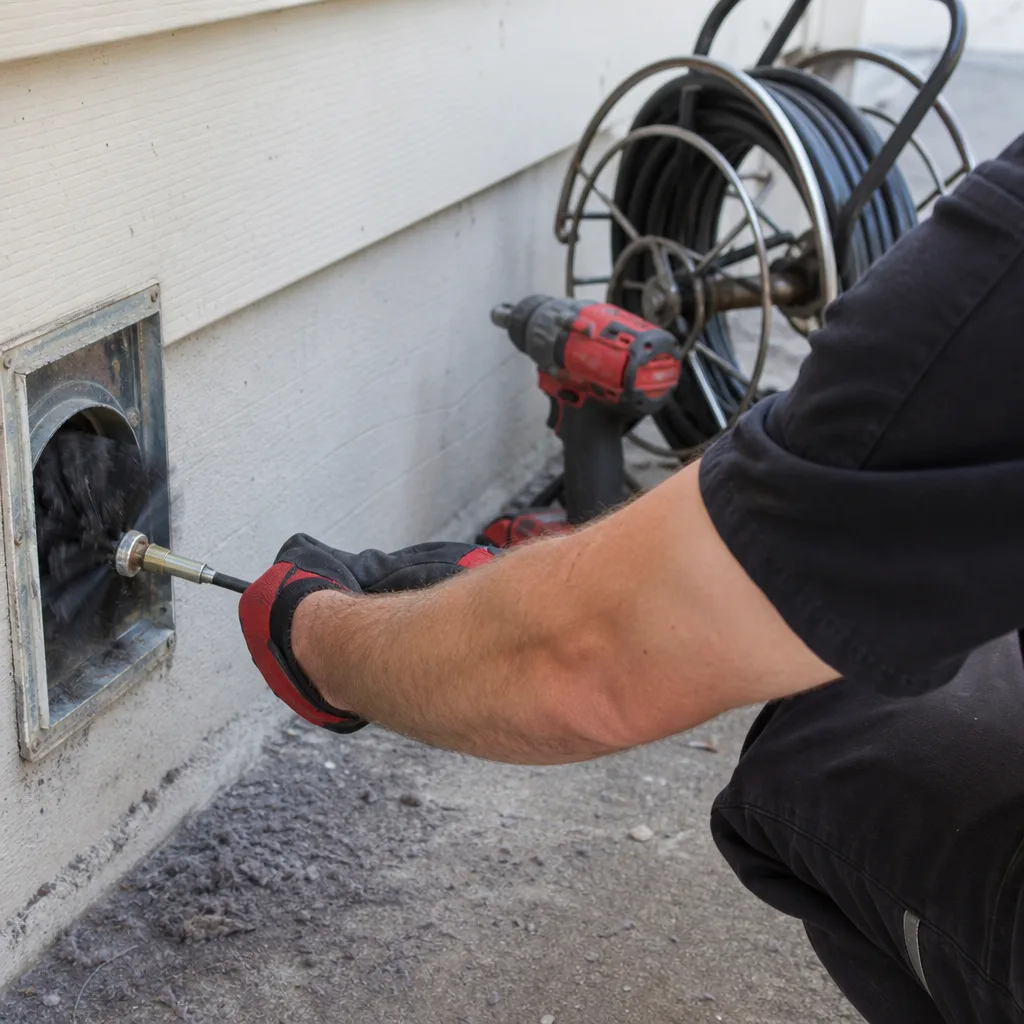
- Video inspection uses a camera to document what’s inside your duct system – before any cleaning or repair work is quoted or started.
- In Sugar Land, typical inspection cost runs $95-$195 depending on system size and access.
- Every inspection produces a written findings report with labeled still images – a documented record you keep.
- Written price before any work starts, every time – Haven Standard Clause 1, no exceptions.
- Sugar Land’s climate and common flex-duct attic construction create specific failure patterns the camera identifies precisely: elbow debris, joint separation, liner collapse, and microbial growth.
- The 365-Day Done Right Promise is in writing on every job.
- If you have a competitor’s written estimate, CleanRun’s Free Second Opinion puts our own number next to it in writing.
CleanRun Duct Repair & Cleaning is independently owned and operated under the H.A.V.E.N. Standard, with background-checked, uniformed technicians who are identified by name before arrival. Every call is answered by a live person. To schedule a duct video inspection in Sugar Land or to get a free second opinion on a written estimate you’ve already received, call (346) 421-3357. Your written price is ready before the inspection begins – no exceptions.
Written by Tomas Reyes, Owner at CleanRun Air Duct Cleaning Sugar Land, serving Sugar Land since 2013.