
Last updated September 23, 2026
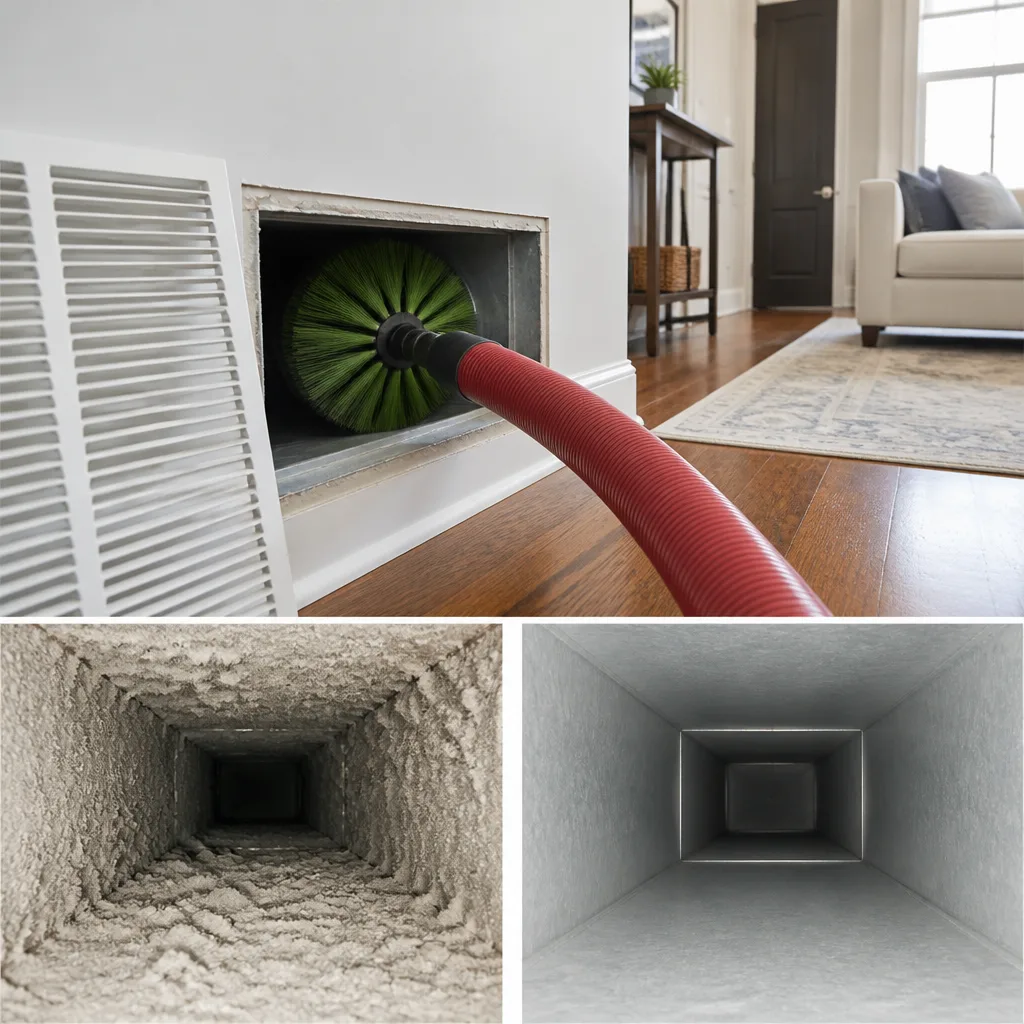
Whole-system duct and dryer vent check with before-and-after photos - you see exactly what came out of your vents
That "$99 whole-house special" is a bait ad - the real number appears once they are in your hallway, or the "clean" is a shop-vac at the register. We photograph the inside of your ducts before and after instead.
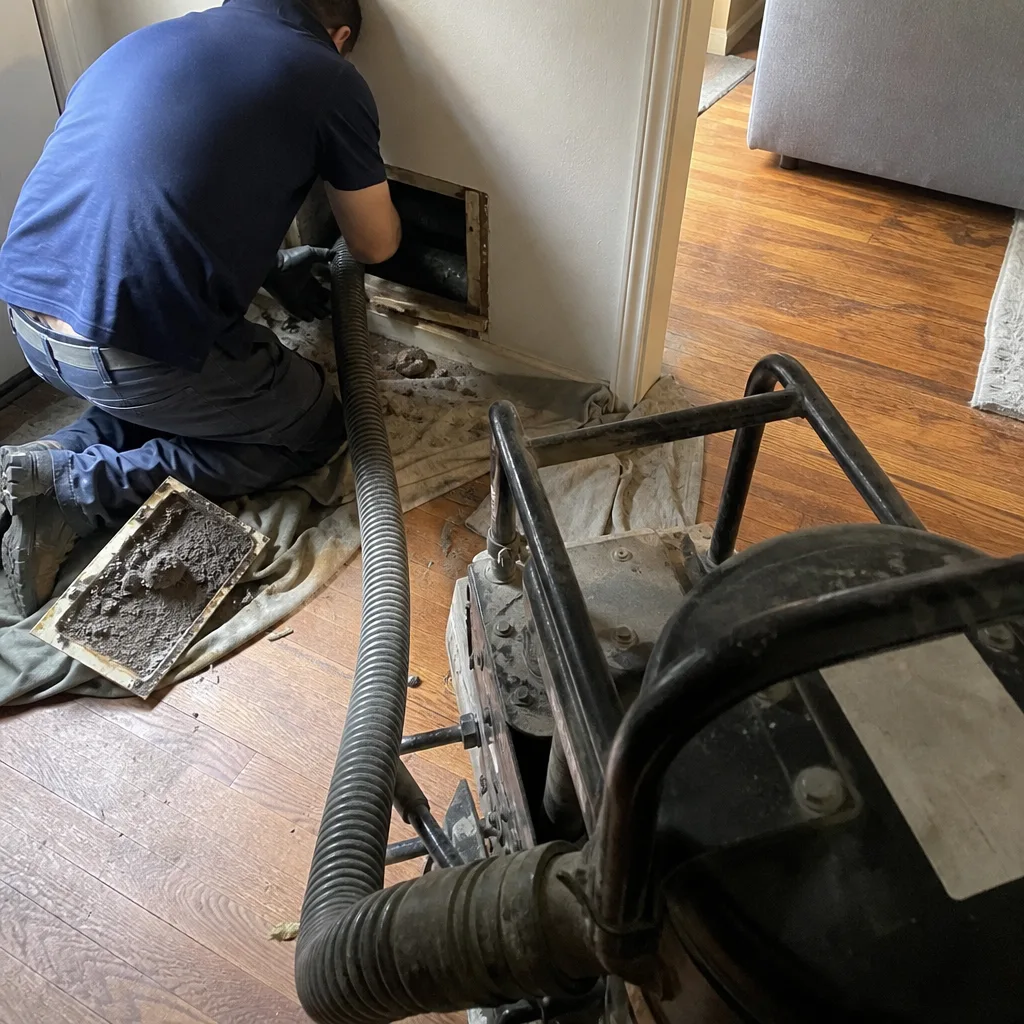 Before
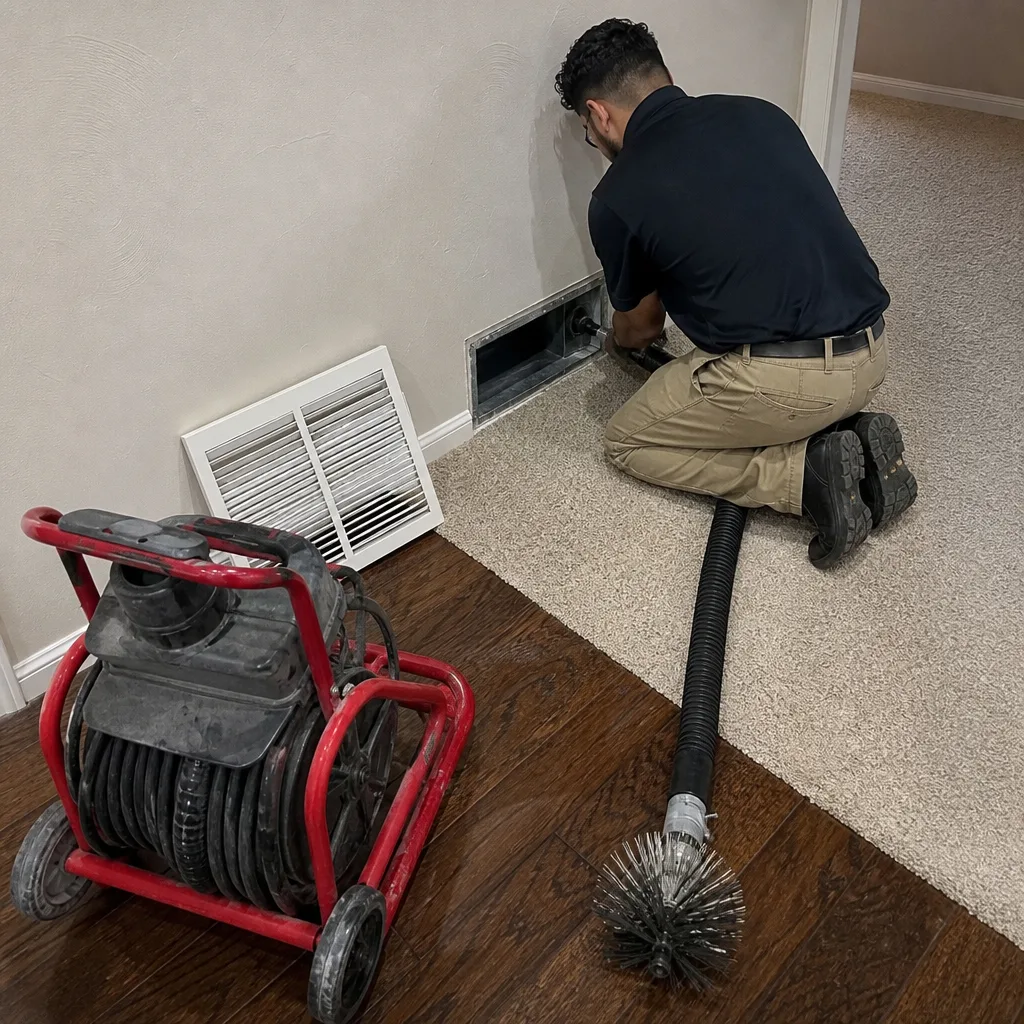 After
After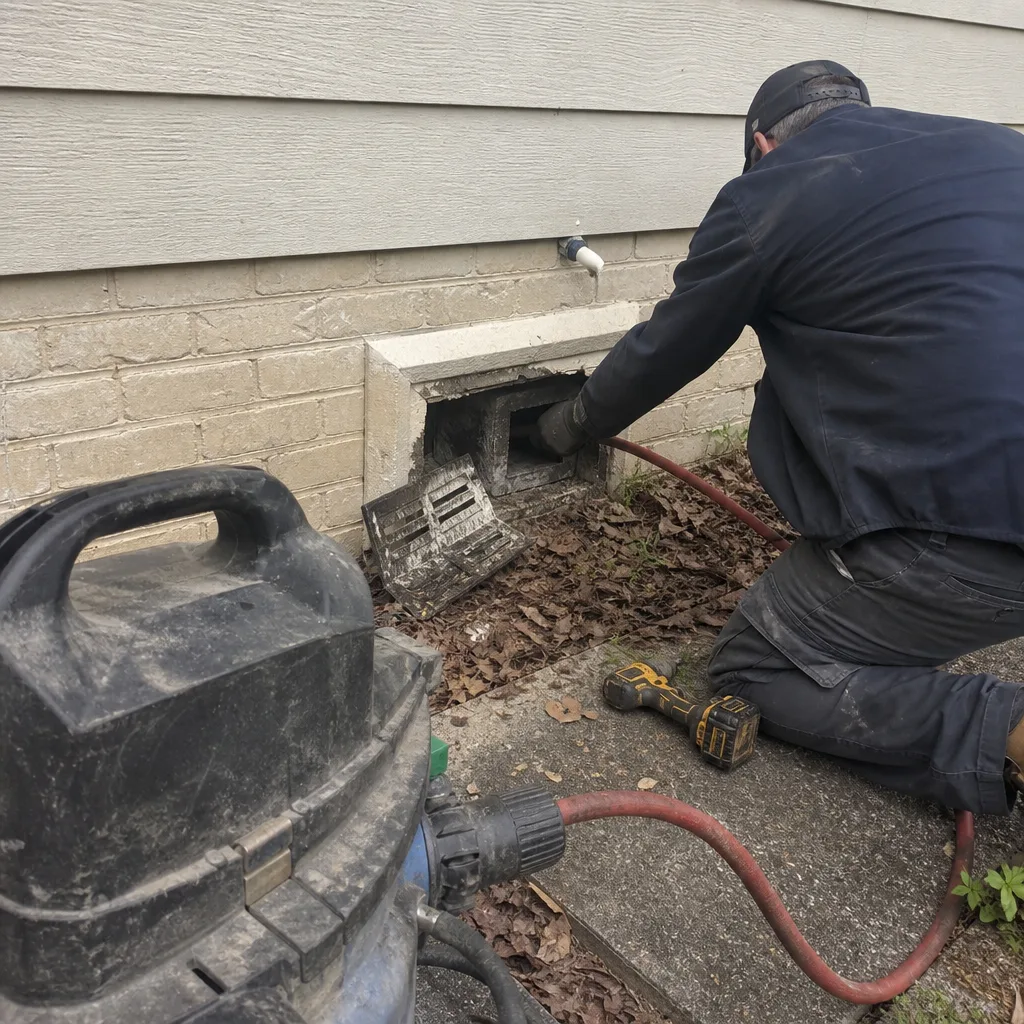 Before
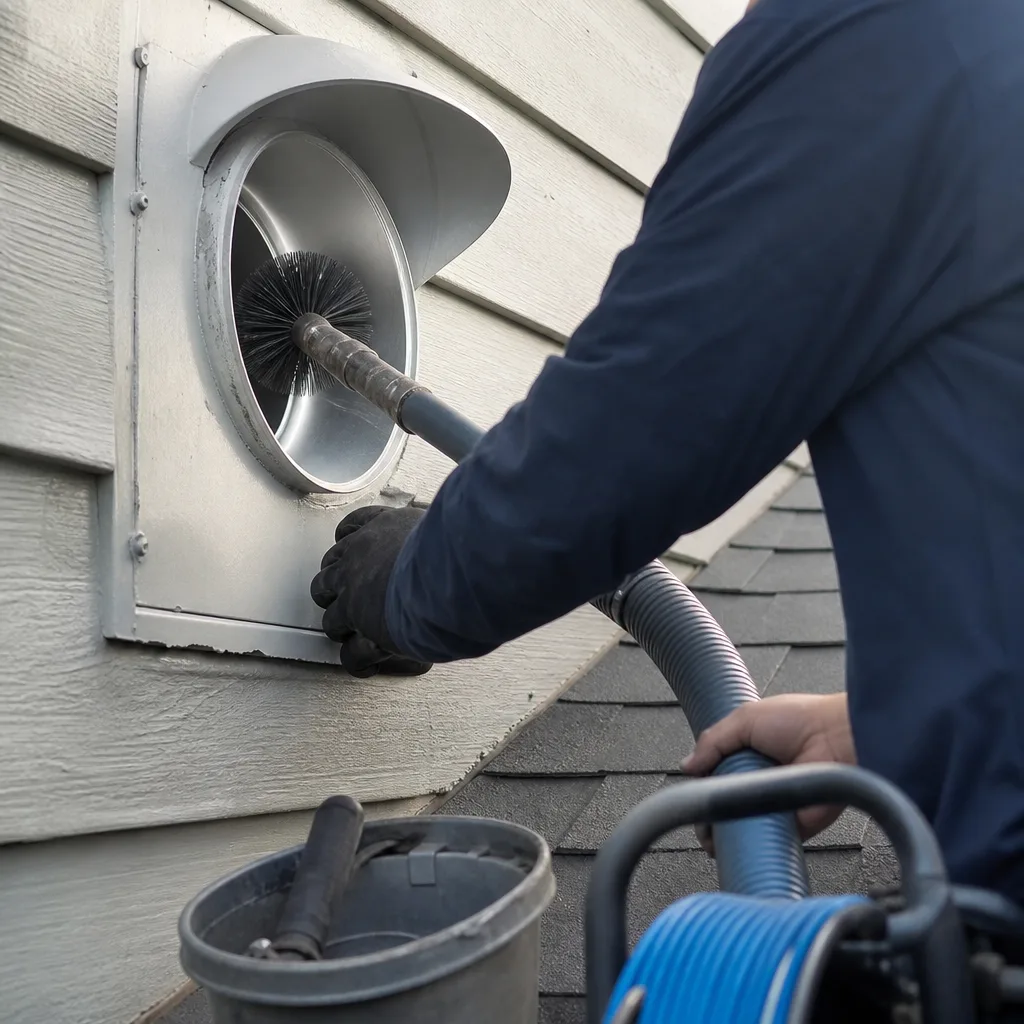 After
After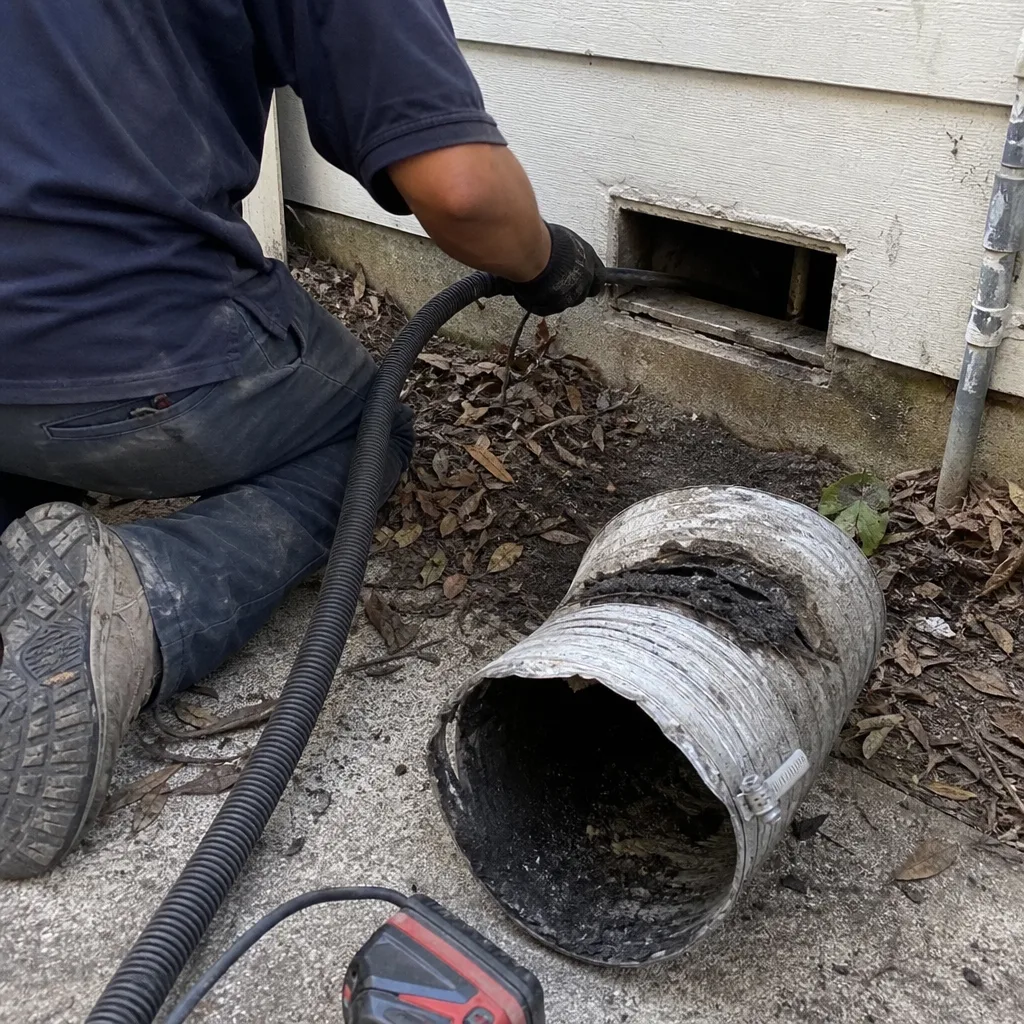 Before
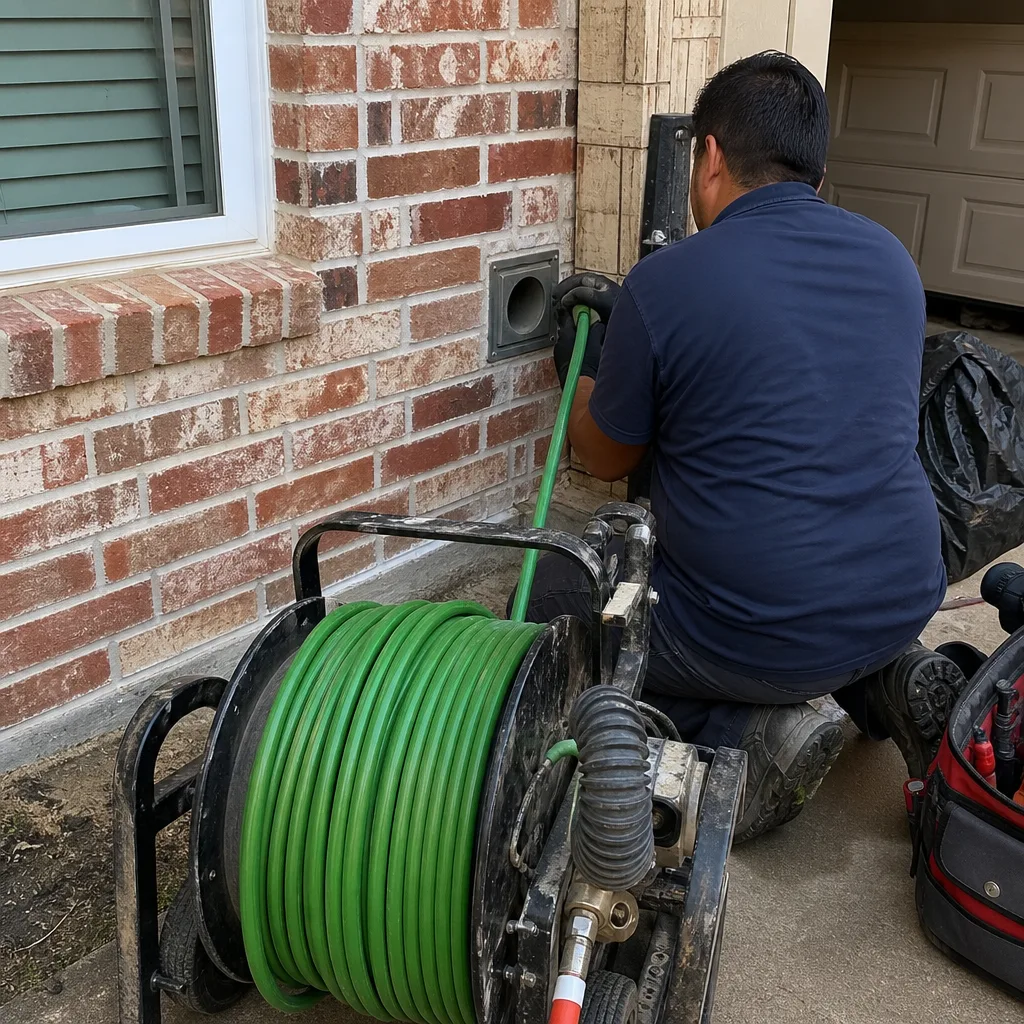 After
AfterAir Duct Cleaning Maintenance Checklist for Sugar Land Homeowners
The EPA does not recommend a fixed cleaning interval for residential ductwork because the correct schedule depends on variables specific to your home: your filter loading rate, your neighborhood’s construction dust load, whether you run the cooling system 10 months a year like most Sugar Land homes. Yet most “maintenance checklists” online recycle identical bullet points for Phoenix, Portland, and Philadelphia. This guide gives Sugar Land homeowners measurable observations to track, a calendar tied to Houston’s actual climate cycle, and documentation habits that turn guesswork into data.
Quick Answer
A useful air duct maintenance checklist for Sugar Land homeowners includes three core practices: logging filter changes with photos to establish contamination baselines, comparing airflow across supply registers monthly to catch blockages early, and scheduling professional inspection before the March cooling season and after October hurricane season. Tasks that actually extend cleaning intervals are filter changes, return grille vacuuming, and dryer vent clearing; tasks that do nothing include spray-can duct treatments and register-only vacuuming without negative-pressure extraction.
Table of Contents
- Why Most Checklists Fail Sugar Land Homes
- Month-by-Month Maintenance Calendar for Sugar Land
- Observable Inspections You Can Do Yourself
- How to Log and Photograph Your Own Filter Data
- Tasks That Actually Extend Cleaning Intervals
- Tasks That Waste Time or Worse
- What Documentation to Keep on File
- Common Mistakes to Avoid
- When to Call a Professional
- Frequently Asked Questions
BeforeAfterWhy Most Checklists Fail Sugar Land Homes
Generic duct maintenance advice treats all climates as interchangeable. They are not. Sugar Land sits in the Houston-Galveston metro where the cooling season runs March through November, humidity routinely pushes 80 percent, and the clay soils of Fort Bend County produce construction dust that lingers in new developments like Telfair and Riverstone long after the builders leave.
We’ve documented this since 2013. A home in First Colony built in 2019 can show heavier first-year duct loading than a 2005 home in Sweetwater because post-2020 construction standards tightened envelope sealing while HVAC systems ran continuously through drywall curing and final grading. The ducts became the exhaust path for off-gassing materials.
The other failure mode is vagueness. “Check your ducts annually” means nothing. Which ducts? The supply runs, the return plenum (the large central chamber that collects air before it reaches the air handler), the trunk lines, or the boots at each register? Without specifying what to observe and how to record it, a checklist becomes a feel-good exercise.
What works is proxy observation: tracking conditions you can see and measure that correlate with hidden duct conditions. Filter loading rate. Register airflow consistency. Return grille debris accumulation. These become your early warning system, and they cost nothing beyond attention.
Sugar Land’s specific challenges include:
- Extended cooling seasons that keep blower motors running 2,800+ hours annually, pulling particulate through the system continuously
- Post-hurricane moisture events that can introduce mold spores into attic ductwork, particularly in homes near the Brazos River floodplain
- New construction dust loads in developing neighborhoods that overwhelm standard 1-inch fiberglass filters
- Hard water scale and biological growth on evaporator coils that reduces airflow and increases static pressure across the duct network
A checklist calibrated to these conditions looks different from one written for Minneapolis or Miami.
Month-by-Month Maintenance Calendar for Sugar Land
The Houston climate cycle creates four distinct maintenance windows. We’ve aligned this calendar to actual weather patterns and system demands, not arbitrary quarterly divisions.
January: Post-Holiday Particulate Assessment
January brings the highest indoor particulate load of the year. Holiday cooking, increased occupancy, and closed windows concentrate debris. The camera doesn’t lie: we’ve photographed return grilles in Sugar Land homes showing 2-3mm debris buildup after two weeks of holiday activity.
Your January tasks:
- Change the filter regardless of apparent condition - the loading from December is invisible at a glance
- Photograph the old filter against a white background with date written on paper in frame
- Run the “airflow comparison test” described in the next section across all supply registers
- Inspect return grilles with a flashlight for visible debris accumulation at the grille face and in the visible duct throat behind it
March: Pre-Cooling Season Inspection
March is the critical window. Before the first 85-degree day triggers continuous compressor operation, you need baseline data. A system that labors from April through October without proper airflow will compound any existing contamination.
Your March tasks:
- Schedule professional inspection if it’s been 18+ months since last cleaning, or if January’s airflow comparison showed variance greater than 30 percent between registers
- Verify condensate drain line flow - a clogged drain in Sugar Land humidity can overflow into the return plenum within 48 hours
- Check outdoor condenser coils for cottonwood or pollen accumulation; restricted coils raise system pressure and increase particulate velocity through ducts
- Record the date of first cooling-system operation in your log
June-August: Peak Season Monitoring
During continuous operation, your filter becomes your primary diagnostic tool. In Sugar Land’s 100-degree stretches, a standard 1-inch pleated filter can reach capacity in 45 days, not 90.
Your summer tasks:
- Inspect filter monthly, not quarterly - hold it up to a bright window; light transmission below 50 percent means replacement
- Monitor utility bills for unexplained increases; a 15 percent jump without weather change often indicates restricted airflow
- Listen for blower motor strain - a whistling or labored sound at registers can indicate blocked ducts or failing capacitor
October-November: Post-Hurricane Season Check
Hurricane season officially ends November 30. Even inland Sugar Land homes can experience roof vent intrusion, power outage-related humidity spikes, and temporary filter overload from closed-house conditions during storm approach.
Your post-season tasks:
- Inspect attic ductwork for water staining if your home experienced any roof leakage or prolonged power outage
- Replace filter after any period of generator or window-unit operation
- Run the full observable inspection protocol before heating season begins - Sugar Land’s brief heating period still matters for gas furnace heat exchanger and combustion air pathways
Observable Inspections You Can Do Yourself
These three tests require no tools beyond a flashlight, a tissue, and a camera phone. They create data a technician can use, and they catch problems before they become expensive.
Test 1: Supply Register Airflow Comparison
Close all interior doors. Set the system to fan-only. Hold a single tissue against each supply register (the grille where conditioned air enters the room). Note which registers hold the tissue firmly, which barely move it, and which show no adhesion. A 30 percent or greater difference between the strongest and weakest register indicates blockage, duct separation, or damper failure. Record your findings with register locations.
We’ve found this test reveals hidden issues in Sugar Land’s common two-story plans where long duct runs to second-floor bedrooms lose pressure to leaks in unconditioned attic space. The tissue doesn’t lie.
Test 2: Return Grille Debris Index
Remove the return grille (usually a simple snap-fit or two screws). Shine a flashlight into the duct throat. Rate what you see: 0 = clean metal visible; 1 = light dust coating; 2 = visible debris accumulation; 3 = debris thick enough to obscure metal. Photograph with date. This becomes your personal contamination timeline.
In Sugar Land, returns near kitchens or laundry rooms typically score higher. Returns in homes near active construction (common in Riverstone, Telfair, and Imperial) can jump from 1 to 3 in 90 days during grading and paving phases.
Test 3: Filter Loading Rate Calculation
Note the installation date on each filter. Note the replacement date. Divide 30 by the days in service to get monthly loading percentage. A filter rated for 90 days that requires replacement in 45 days is loading at 200 percent of specification. This single number predicts duct contamination better than any calendar interval.
Track this in a simple spreadsheet or notebook. After three cycles, you’ll know your home’s actual pattern, not the manufacturer’s generic claim.
How to Log and Photograph Your Own Filter Data
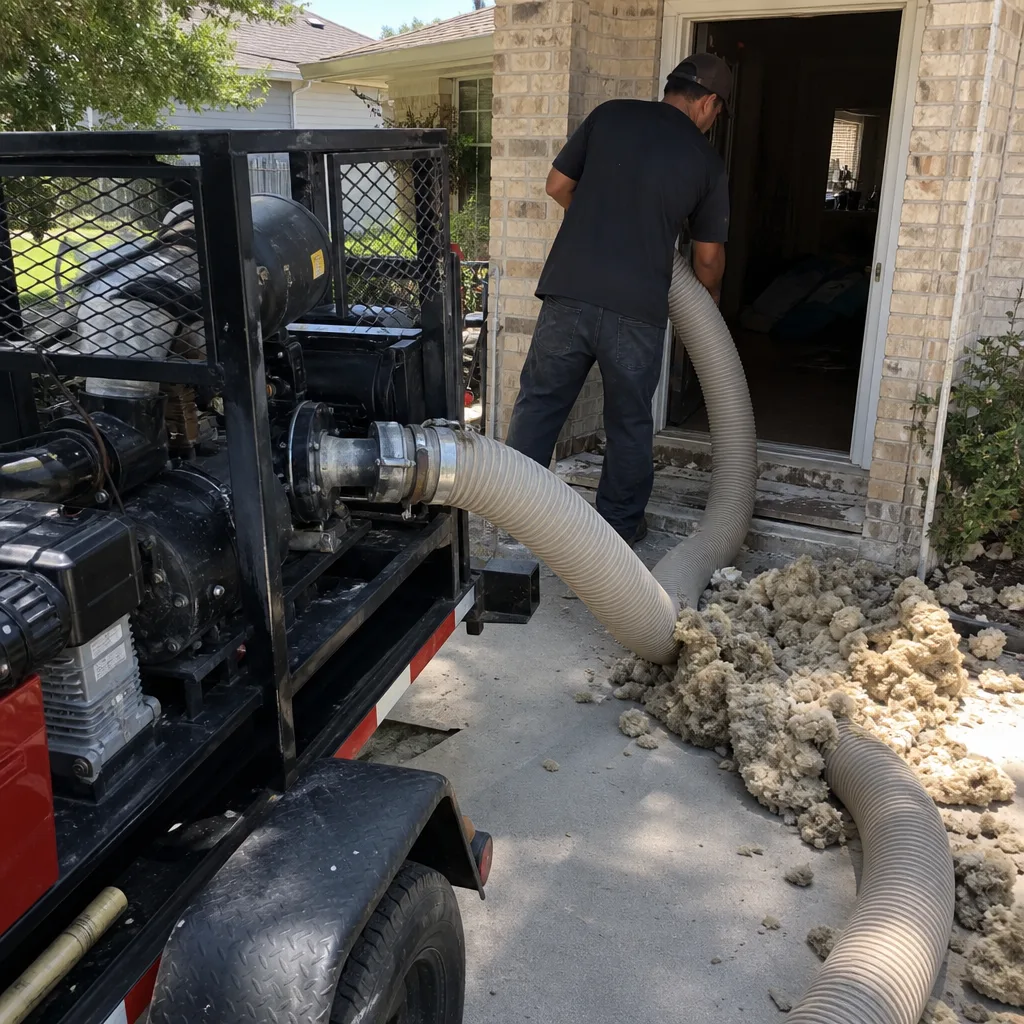
Documentation transforms anecdote into evidence. When a technician opens your system, your log gives them context. When you dispute a warranty claim or insurance issue, your log becomes supporting material.
Here’s the protocol we recommend to Sugar Land homeowners:
- Standardize the photo: Place the used filter on white poster board. Include a handwritten date and filter brand/MERV rating in frame. Shoot from directly above in natural light.
- Record the variables: Note the days in service, the system runtime hours (from your smart thermostat if available), any construction activity nearby, and any unusual indoor events (renovation, extended guest occupancy, wildfire smoke).
- File consistently: Create a digital folder per year, subfolder per month. Name files: YYYY-MM-DD_Filter_Location_Rating.
- Share with technicians: Email or show your last three photos before any service call. A technician who sees loading acceleration can diagnose causes faster.
The CleanRun Air Duct Cleaning Sugar Land home team uses this same discipline on every job. Our documented photo record of every duct run, before and after, is simply a professional extension of what homeowners should practice with filters.
We’ve seen this homeowner log prove invaluable. A Sugar Land customer in New Territory used 18 months of filter photos to demonstrate to her builder that post-construction duct contamination exceeded normal parameters, resulting in full system cleaning under warranty. Without dated photographs, that conversation would have been her word against theirs.
Tasks That Actually Extend Cleaning Intervals
Three maintenance practices demonstrably reduce professional cleaning frequency. Everything else is either neutral or actively harmful.
1. Correct Filter Selection and Timely Replacement
Not all filters are equal. The fiberglass panel filters sold in bulk at hardware stores capture less than 20 percent of fine particulate. Pleated filters rated MERV 8-11 (Minimum Efficiency Reporting Value, a standardized measure of filtration effectiveness) capture significantly more without restricting airflow in properly sized systems. Higher MERV is not always better - a MERV 13 in an undersized return can overwork the blower motor.
For Sugar Land’s extended cooling season, we typically recommend MERV 8-10 pleated filters changed every 60 days during peak season, extended to 90 days in January-February when systems cycle less. Homes with indoor pets or nearby construction should shorten intervals by 30 percent.
Brands we specify include Honeywell and Aprilaire, both of which publish independent test data. We do not recommend washable electrostatic filters - in Houston humidity, they become microbial growth platforms.
2. Return Grille and Boot Vacuuming
The return grille and the boot (the sheet metal transition between grille and duct) collect debris that would otherwise enter the system. Monthly vacuuming with a brush attachment removes this before it becomes duct contamination. This is not duct cleaning - it’s debris interception. The distinction matters.
Use a vacuum with HEPA exhaust if possible. Otherwise, you’re recirculating captured debris. We’ve observed that homeowners who perform this monthly can extend professional cleaning intervals by 12-18 months in normal conditions.
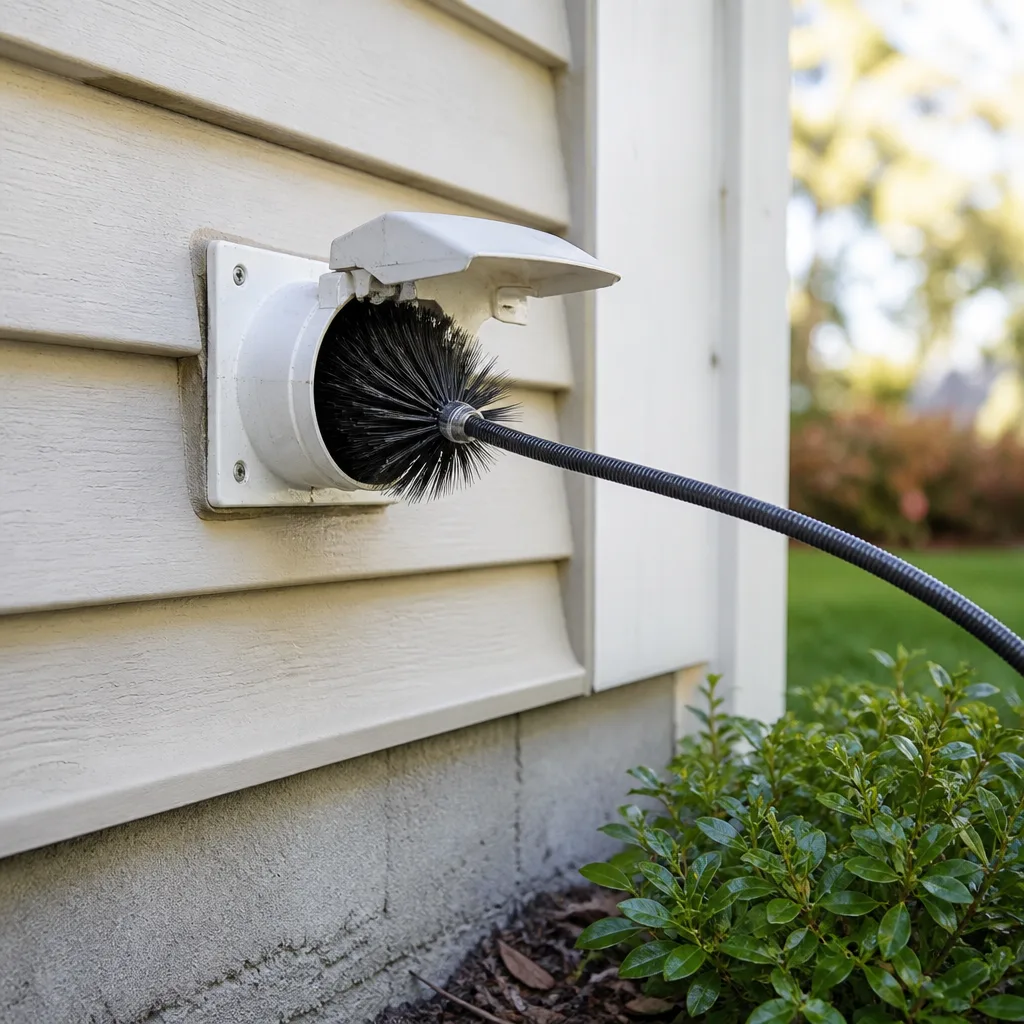
3. Dryer Vent Clearing
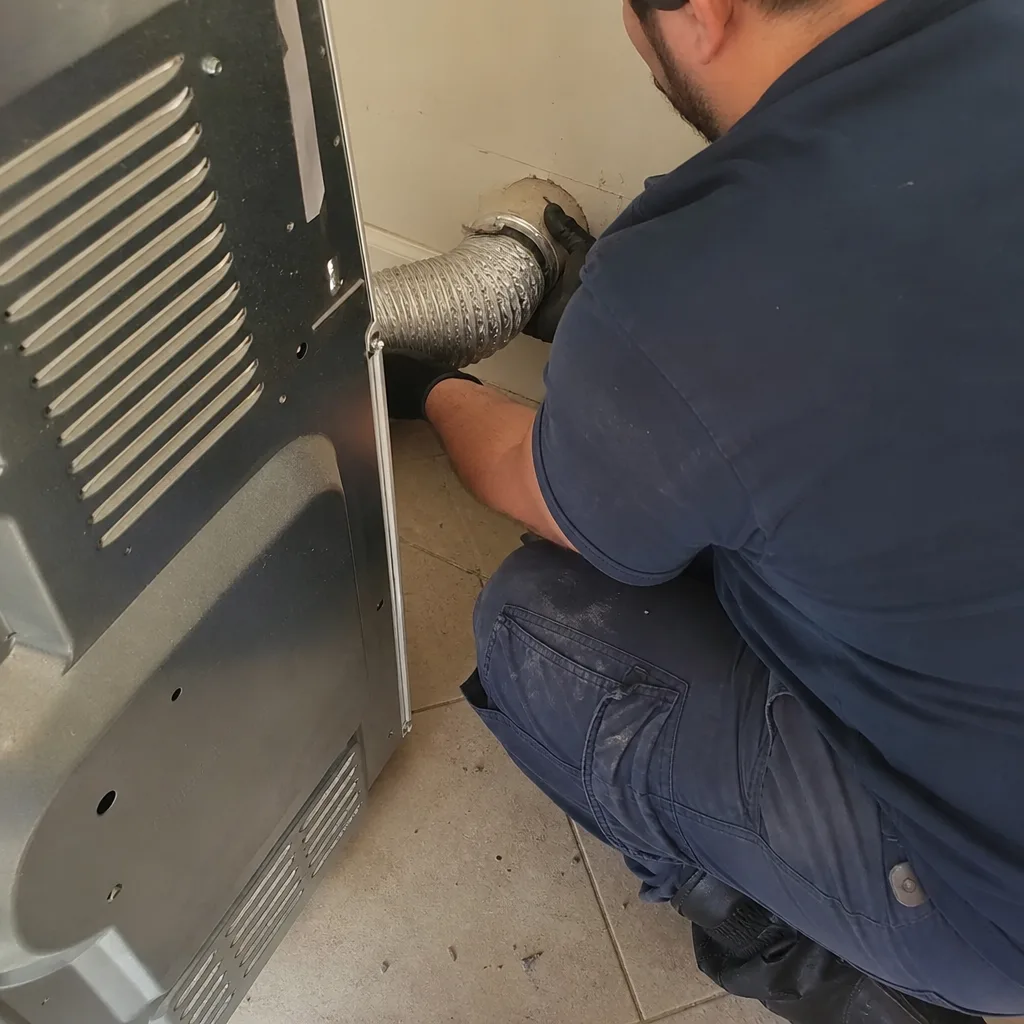
Clothes dryer exhaust shares no direct pathway with HVAC ducts, but lint accumulation affects the whole home’s pressure balance. A blocked dryer vent creates negative pressure that pulls unfiltered air through every crack, including duct leaks. This accelerates contamination of both ducts and indoor air.
The Dryer Vent Cleaning in Sugar Land page details our full protocol. For maintenance purposes, verify exterior damper operation monthly and clean the lint screen after every load. If your dryer requires more than one cycle to dry standard loads, the vent is restricted.
Tasks That Waste Time or Worse
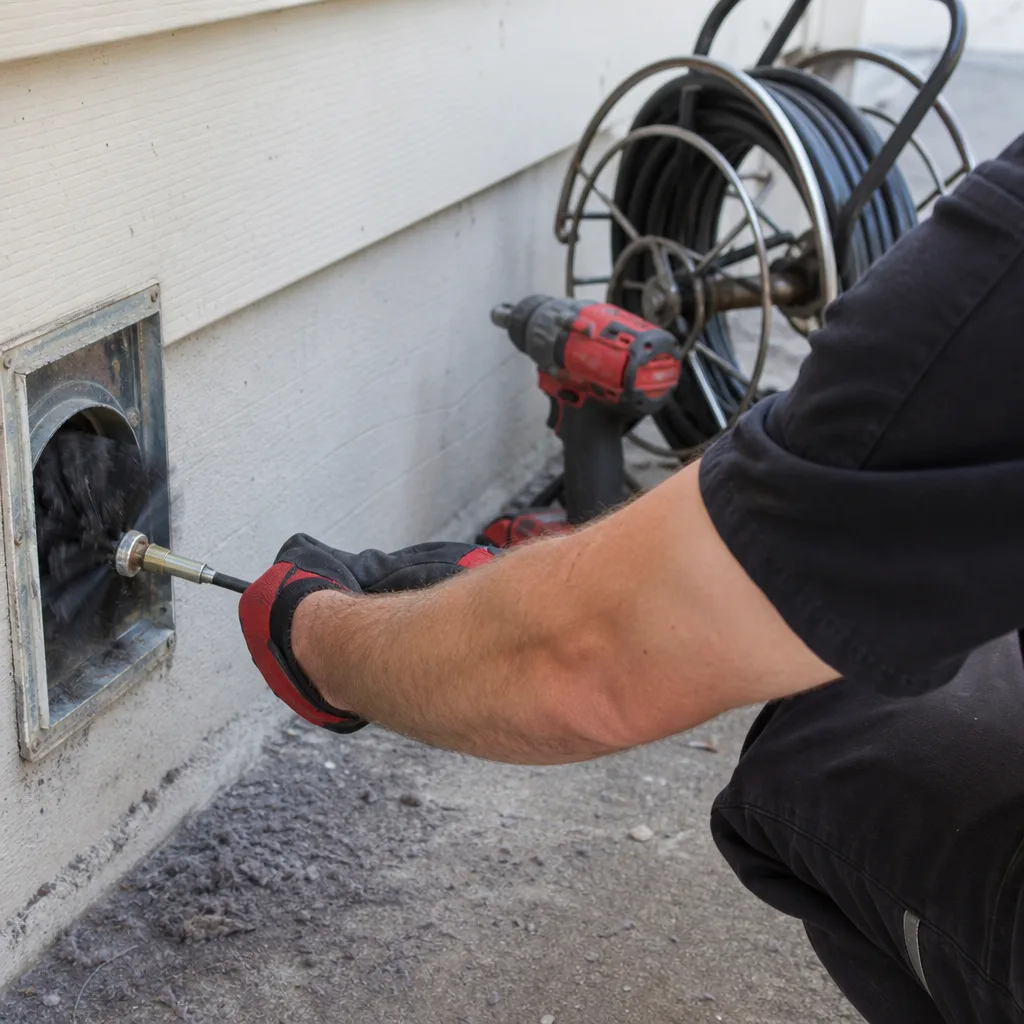
The duct cleaning industry sells numerous products and procedures with no demonstrated benefit. Sugar Land homeowners should avoid these specifically.
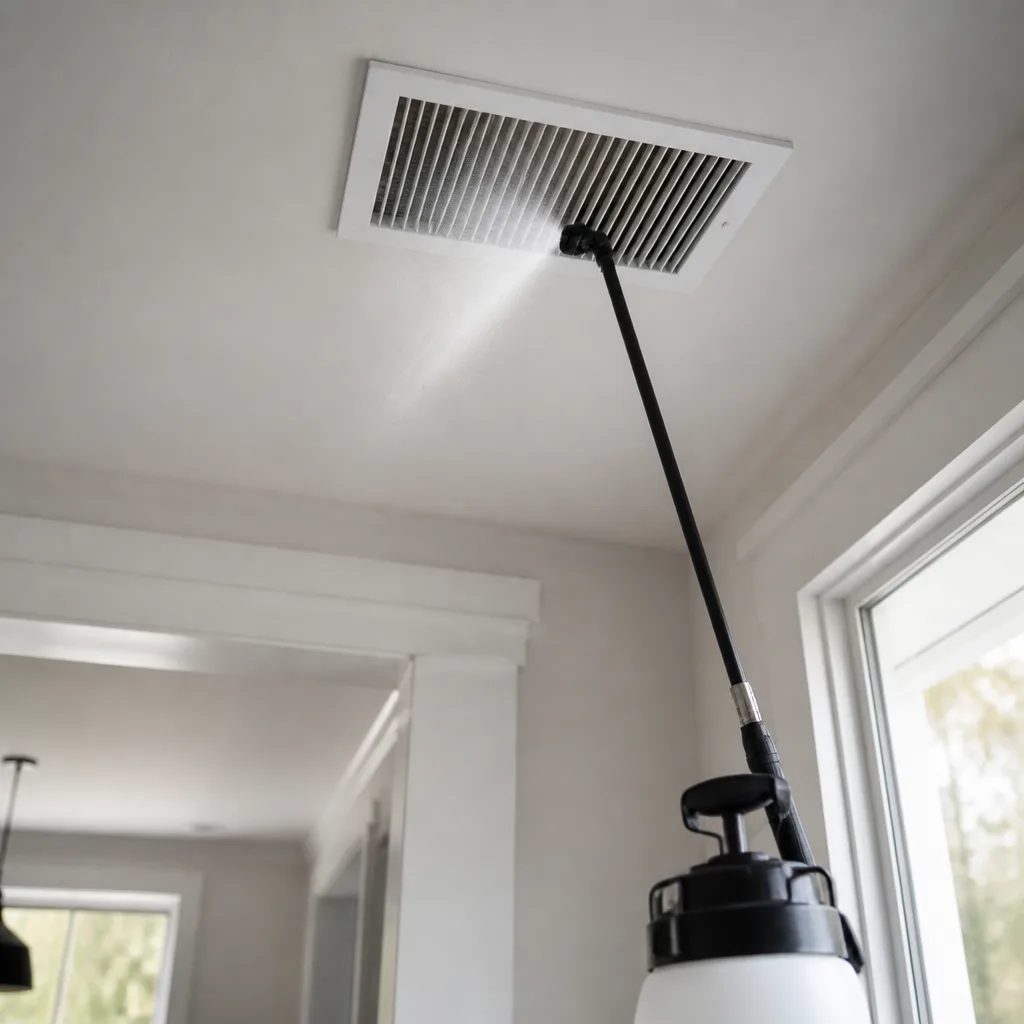
Spray-Can Duct Treatments
Aerosol “duct sanitizers” sold at hardware stores coat interior surfaces with quaternary ammonium compounds or essential oil blends. They do not remove debris. They do not reach past the first few feet of ductwork. In Houston humidity, some formulations become sticky films that trap subsequent particulate more aggressively than bare metal. We’ve photographed this residue during professional cleanings - it requires additional labor to remove.
The EPA has not registered any spray product for in-duct application by homeowners. This should tell you enough.
Register-Only Vacuuming Without Negative-Pressure Extraction
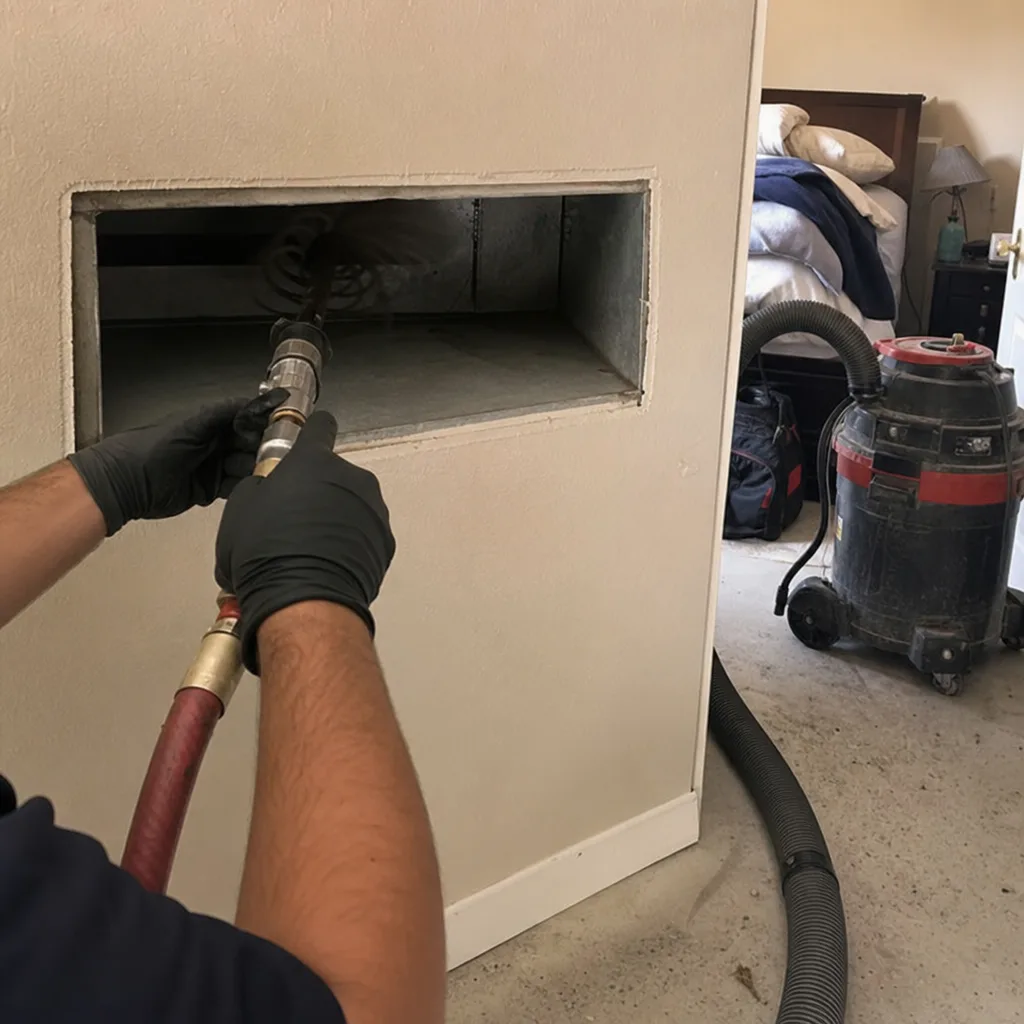
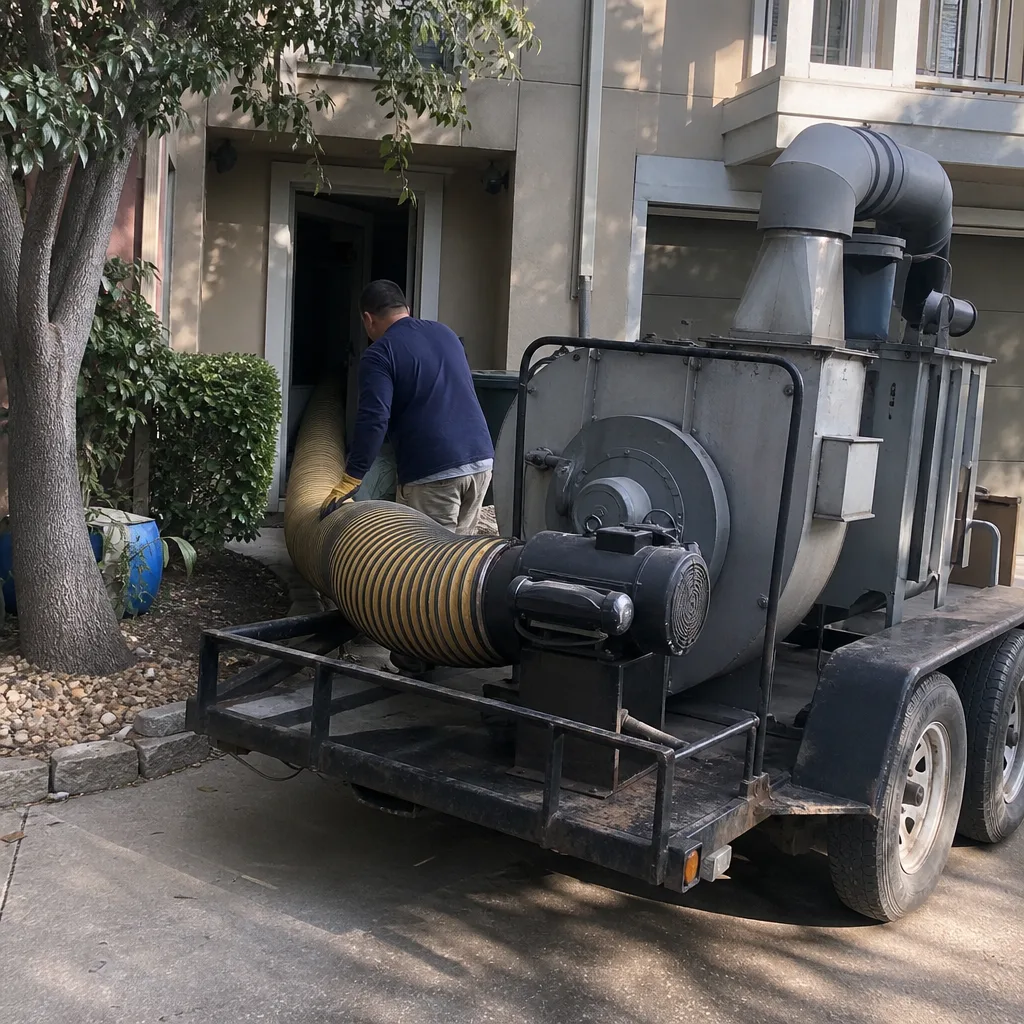
A shop vacuum at a supply register moves air in one direction only. It does not create the pressure differential that dislodges wall-adhered debris. Worse, it can compact debris at elbows and transitions, creating blockages that didn’t exist. Professional duct cleaning uses negative-pressure extraction - a large vacuum attached to the trunk line that pulls 2,000+ CFM (cubic feet per minute), dislodging debris through airflow velocity while brushes or compressed air tools agitate surfaces.
Equipment from Nikro and Abatement Technologies, which we use on Air Duct Cleaning in Sugar Land jobs, is engineered for this specific purpose. A shop vacuum is not.
UV Light Installation as Cleaning Substitute
UV-C lamps installed at the evaporator coil can reduce biological growth on that specific surface. They do not clean ducts. They do not remove debris. They do not address the source of contamination. Positioning UV as a duct maintenance tool is misleading. If your coil has biological growth, it needs cleaning, not lighting.
“Duct Sealing” Foams Applied from Registers
Aerosol sealant products claim to seal leaks from the inside. In practice, they coat duct interiors unevenly, obscure future inspection, and often fail to reach actual leak points at joints and seams. Proper duct sealing requires access to the physical joint, typically in attic or crawl space, with mastic or mechanical fastening. There is no shortcut.
What Documentation to Keep on File
A paper trail protects your investment and simplifies future service. We recommend maintaining these records for the life of your HVAC system:
- Contractor reports: Every professional service should produce a written scope of work, not a door-hanger checklist. CleanRun’s Haven Standard Clause 1 requires written price and scope before work begins; our reports include line-item documentation of each duct run serviced.
- Before/after photographs: Request these from any contractor. If they cannot produce them, you cannot verify work quality. Our Documented Photo Record on Every Visit, standard since 2013, delivers these as part of the job file.
- Equipment serial numbers and installation dates: Furnace, air handler, condenser, and any indoor air quality accessories. Warranty claims require this data.
- Filter log: Your personal photographs and replacement dates, as described above.
- Utility bills: 24 months minimum, to establish consumption baselines. Unexplained increases often precede duct or equipment problems by 2-3 billing cycles.
Store digital copies in cloud storage with local backup. Paper copies in a labeled file folder for warranty claims that require original documentation.
We’ve assisted Sugar Land homeowners with insurance claims where documentation made the difference. A lightning strike in Greatwood damaged an HVAC control board; the insurer initially denied coverage for “pre-existing conditions.” The homeowner’s file of annual maintenance reports and dated filter photos demonstrated consistent care, and the claim was paid. Documentation is not paranoia. It’s evidence.
Common Mistakes to Avoid
- Waiting for visible dust at registers: By the time debris reaches supply registers, contamination is advanced. The first sign is usually airflow reduction, not visible dust. In Sugar Land’s bright interiors, we often hear “but they look clean” - the camera inside tells a different story.
- Using the cheapest available filter: The $2 fiberglass panel costs more long-term. It allows debris through that accumulates in ducts, on coils, and in blower assemblies. The eventual cleaning cost exceeds years of proper filtration.
- Ignoring new construction nearby: A home in Riverstone or Telfair near active building should treat filter intervals as temporary until the development completes. We’ve measured 3x normal loading in homes within 300 yards of active grading.
- Assuming “new home” means “clean ducts”: Post-construction duct contamination is often worse than decade-old residential buildup. Drywall dust, insulation fragments, and construction debris enter systems during build-out. The 2019 home can need cleaning before the 2009 home.
- Accepting per-vent pricing: This model incentivizes superficial work. A system should be priced as a complete scope, with all duct runs addressed. Haven Standard Clause 1 requires written whole-system pricing before work begins - no per-vent arithmetic.
- Skipping post-storm inspection: Even without visible roof damage, pressure differentials during severe weather can force unfiltered air through duct leaks. Hurricane Nicholas in 2021 produced calls from Sugar Land homeowners two months after the event, when musty odors finally became unmistakable.
- Treating all rooms equally: Master suites with attached baths generate more humidity and particulate. Kitchen returns load faster. A single filter schedule for the whole house ignores these variations.
When to Call a Professional
Call for professional inspection when: your airflow comparison shows 30 percent or greater variance between registers; your filter loading rate exceeds 150 percent of manufacturer specification for two consecutive cycles; you observe visible mold or moisture in ductwork; you detect persistent musty odors after filter change; your home was built or renovated within 24 months; or you’ve never had documented professional cleaning and your system is more than five years old.
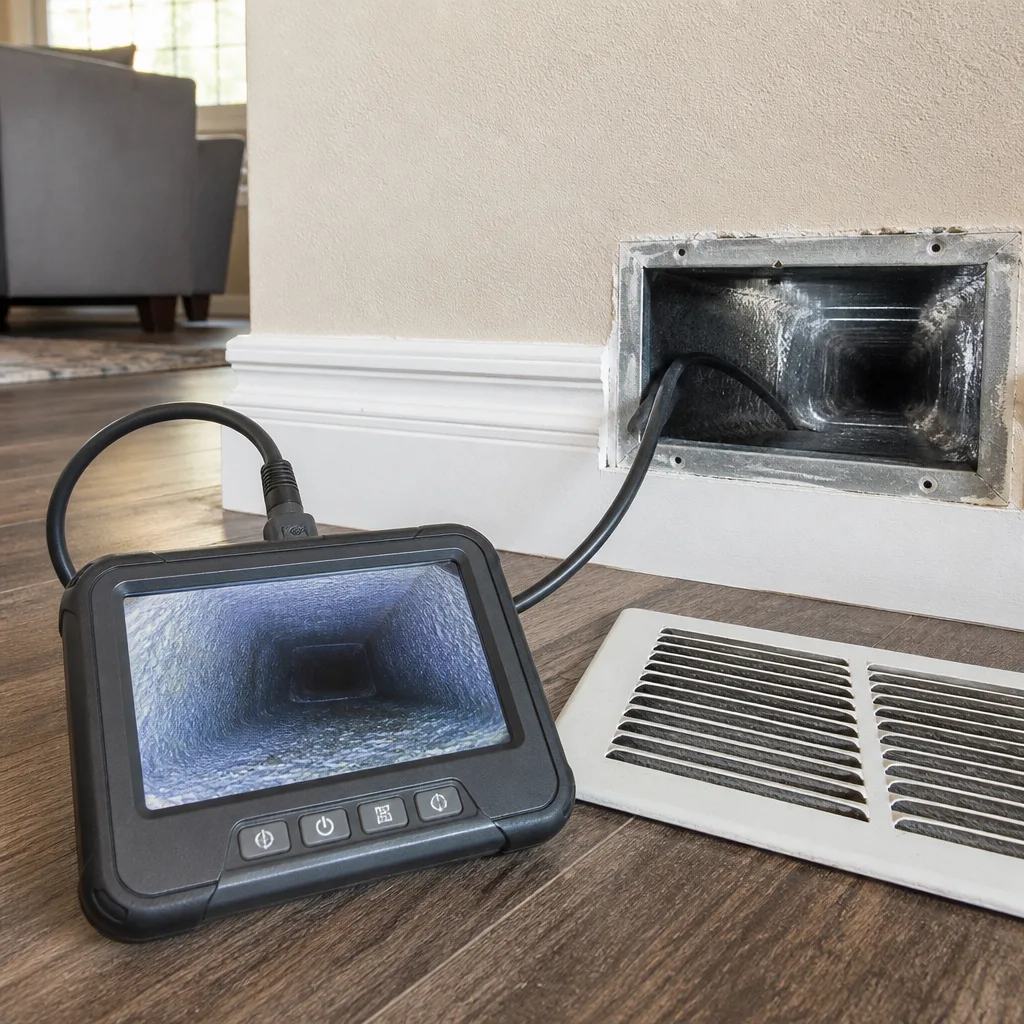
Professional cleaning should include: inspection of the entire duct network with camera documentation; negative-pressure extraction with power brushing or compressed air agitation; cleaning of the return plenum, supply plenum, and trunk lines (not just branch ducts); evaporator coil inspection and cleaning if indicated; and a written report with before/after photographs of every duct run.
CleanRun Air Duct Cleaning Sugar Land offers free estimates in Sugar Land. Our HVAC Cleaning in Sugar Land service includes full system inspection with written scope and price before any work begins, under Haven Standard Clause 1. Call (346) 421-3357.
Frequently Asked Questions
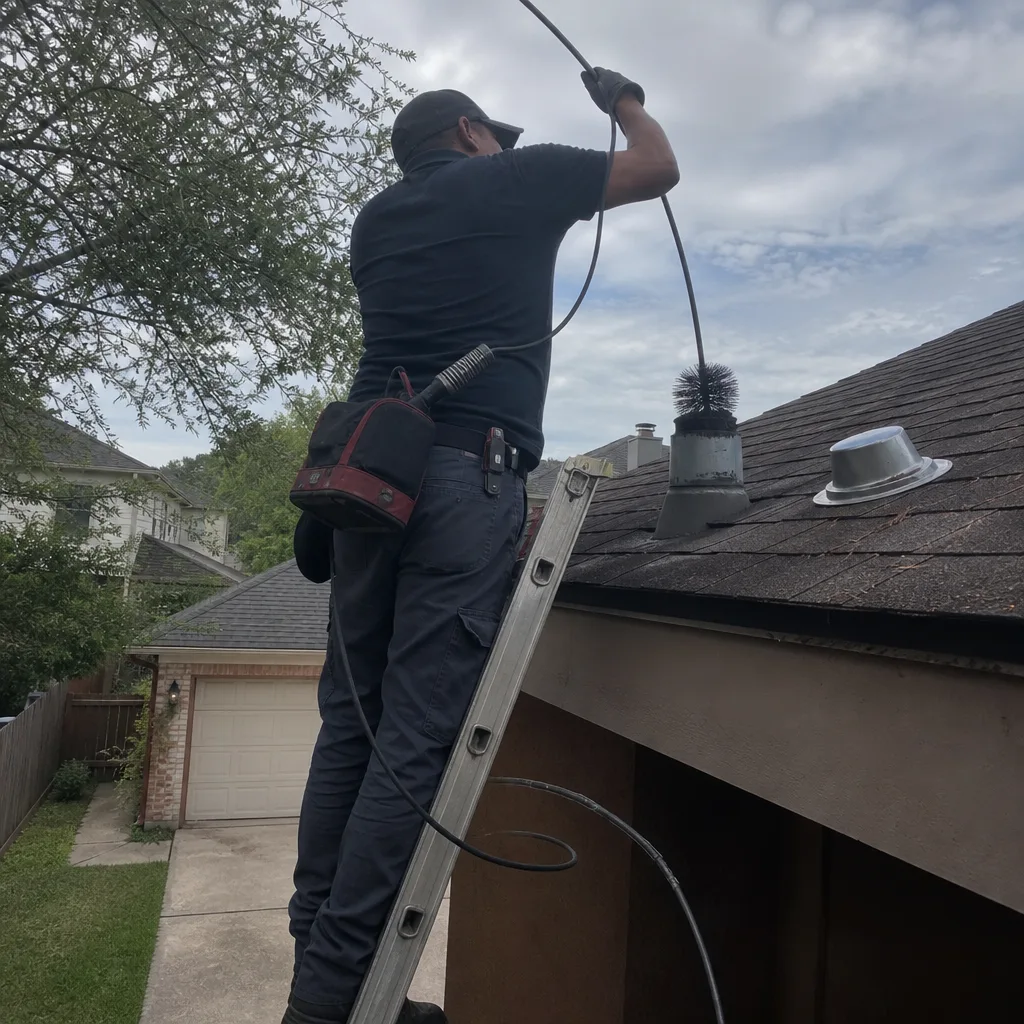
Whole-system air duct cleaning for a typical Sugar Land home ranges from $450 to $850 depending on system size, accessibility, and contamination level. Two-story homes with attic ductwork, common in First Colony and New Territory, trend toward the higher end due to additional duct runs. CleanRun provides a written price before any work begins under Haven Standard Clause 1 - no per-vent pricing, no post-arrival adjustments. Call (346) 421-3357 for an exact quote; estimates are free.
$79-$129 offers typically cover register vacuuming only, not full system cleaning. The technician arrives, cleans visible grille areas, and departs in 45 minutes. True negative-pressure extraction with power brushing requires 3-4 hours for a standard home and professional equipment from manufacturers like Nikro or Abatement Technologies. The low quote becomes a high invoice once “additional duct runs” or “deep cleaning” are added on-site. Ask for written scope specifying: number of duct runs, trunk line inclusion, plenum cleaning, and equipment type.
Require before/after photographs of every duct run, delivered as part of the job record. CleanRun’s Documented Photo Record on Every Visit, standard since our first job in 2013, shows the interior of each duct run before and after service. If a contractor cannot or will not provide this, the work is unverifiable. Photos should be dated, location-labeled, and show identifying features (elbows, junctions, damper locations) that prove they are your ducts.
For most Sugar Land homes with proper filter maintenance, every 3-5 years. Homes with pets, new construction nearby, or residents with respiratory sensitivity may need every 2-3 years. The only accurate answer is: when your observable data indicates. A homeowner with 18 months of filter photos showing accelerating loading has better information than any calendar recommendation. The EPA’s position - clean when needed, not on schedule - is correct but requires you to know what “needed” looks like.
You can and should maintain filters, return grilles, and visible boots. You cannot safely or effectively clean the full duct network without negative-pressure extraction equipment and access tools. Attempting to reach past the first few feet of ductwork risks damage to flexible duct liner, dislodging of sealed joints, and personal injury from sharp sheet metal edges. The Air Duct Cleaning in Sugar Land professionals at CleanRun use equipment specifically engineered for this work.
Yes, significantly. Houston’s 75+ percent summer humidity creates conditions for biological growth in ductwork when moisture enters through leaks or condenses on cool surfaces. We’ve photographed active growth in Sugar Land attic ducts where return leaks pulled humid outside air across chilled surfaces. This is not a “dirty” problem that vacuuming solves - it requires moisture source elimination, proper insulation, and sometimes antimicrobial treatment as part of professional service. Humidity also causes filter media to degrade faster, shortening effective life.
Duct cleaning addresses the distribution network: supply and return ducts, plenums, and registers. HVAC cleaning includes the air handler components: evaporator coil, blower assembly, heat exchanger, and condensate system. A complete service addresses both, because contamination migrates between them. CleanRun’s HVAC Cleaning in Sugar Land service encompasses full system treatment. Duct-only cleaning leaves contamination sources intact; HVAC-only cleaning leaves distribution pathways contaminated.
The Bottom Line
A maintenance checklist only works if it produces data you can act on. For Sugar Land homeowners, that means tracking filter loading with photographs, comparing register airflow monthly, and aligning professional service with the real climate cycle: pre-cooling inspection in March, post-storm assessment in November. Skip the spray cans and register vacuums. Keep documentation that proves what was done and when. The goal is not a clean duct on a schedule; it’s a system whose condition you can verify, dispute, and improve with evidence.
CleanRun Air Duct Cleaning Sugar Land has operated under these principles since 2013: written price before work, documented photo record after, and the 365-Day Done Right Promise backing every job. If your log shows it’s time for professional inspection, or if you’re starting a documentation practice and want baseline data, call (346) 421-3357 for a free estimate.
Written by Tomas Reyes, Owner at CleanRun Air Duct Cleaning Sugar Land, serving Sugar Land since 2013.