
Last updated September 23, 2026
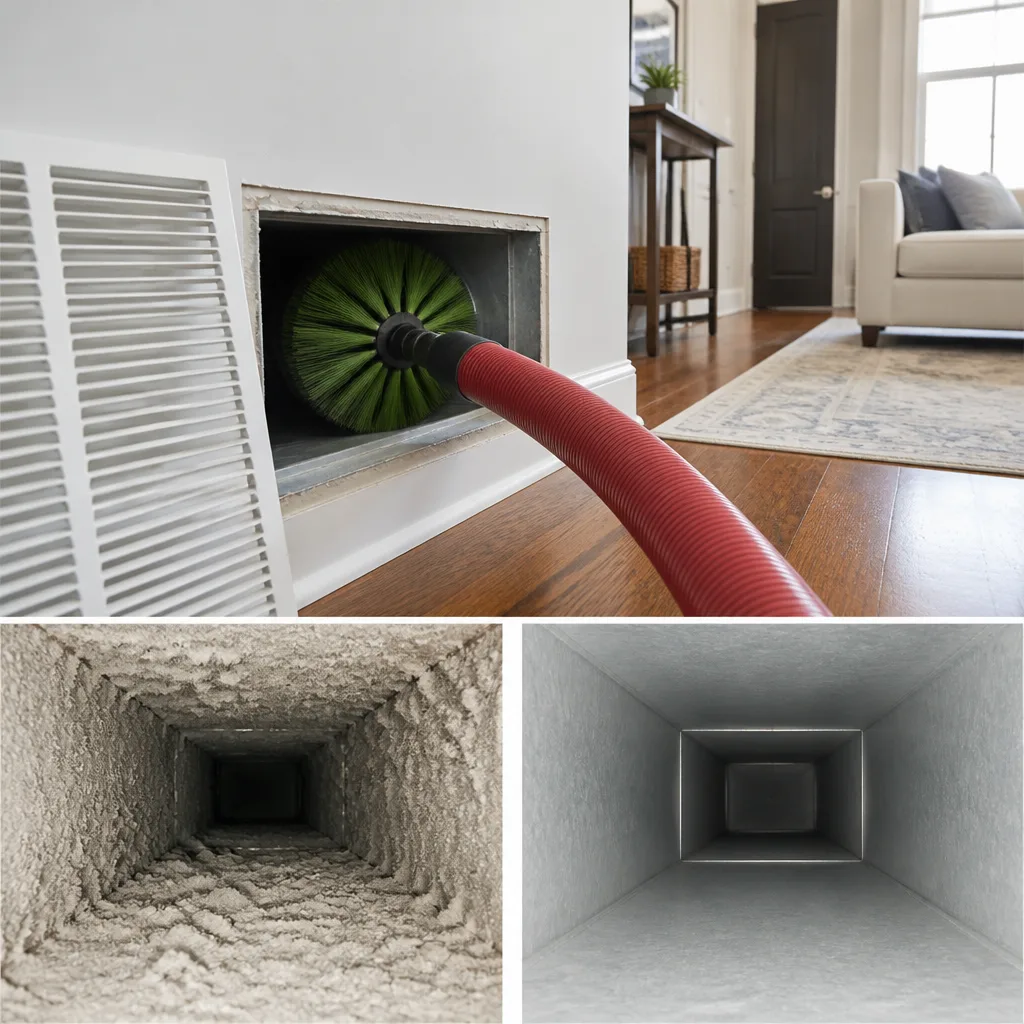
Whole-system duct and dryer vent check with before-and-after photos - you see exactly what came out of your vents
That "$99 whole-house special" is a bait ad - the real number appears once they are in your hallway, or the "clean" is a shop-vac at the register. We photograph the inside of your ducts before and after instead.
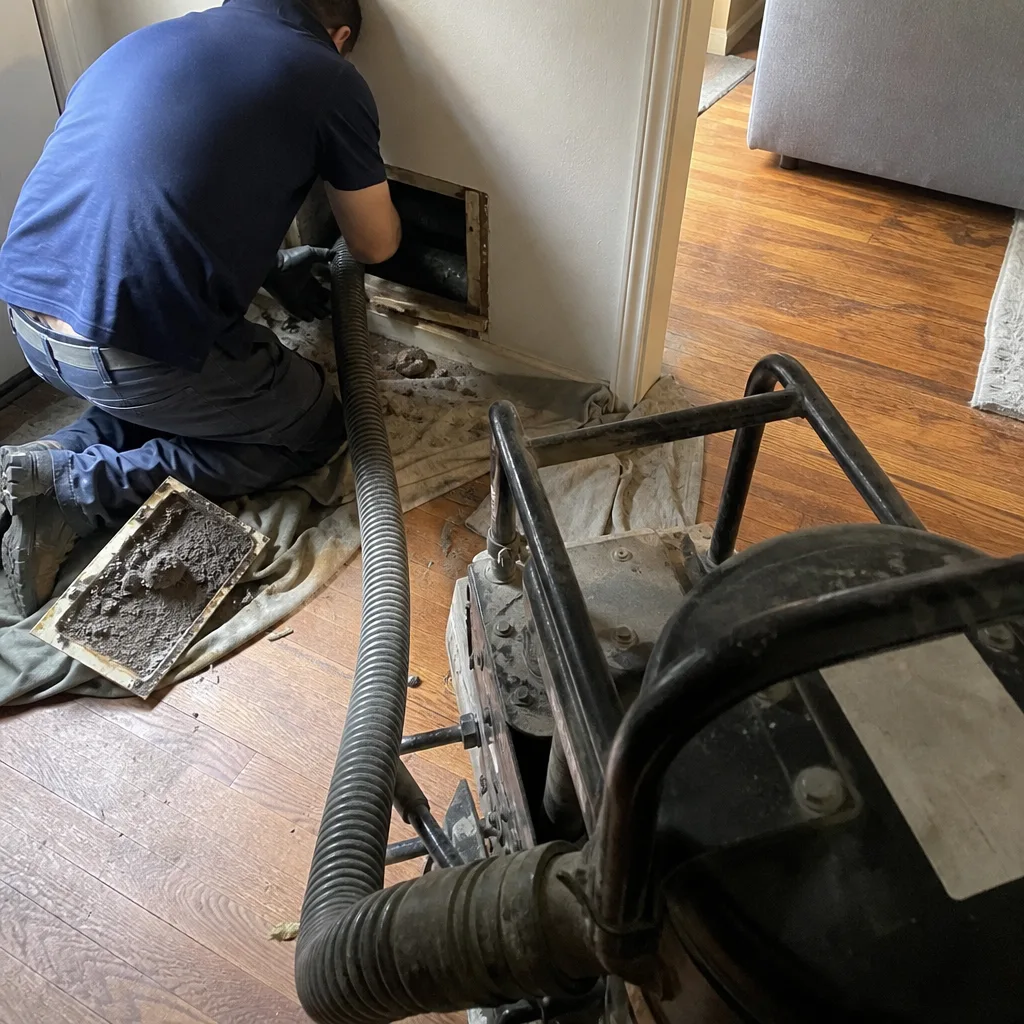 Before
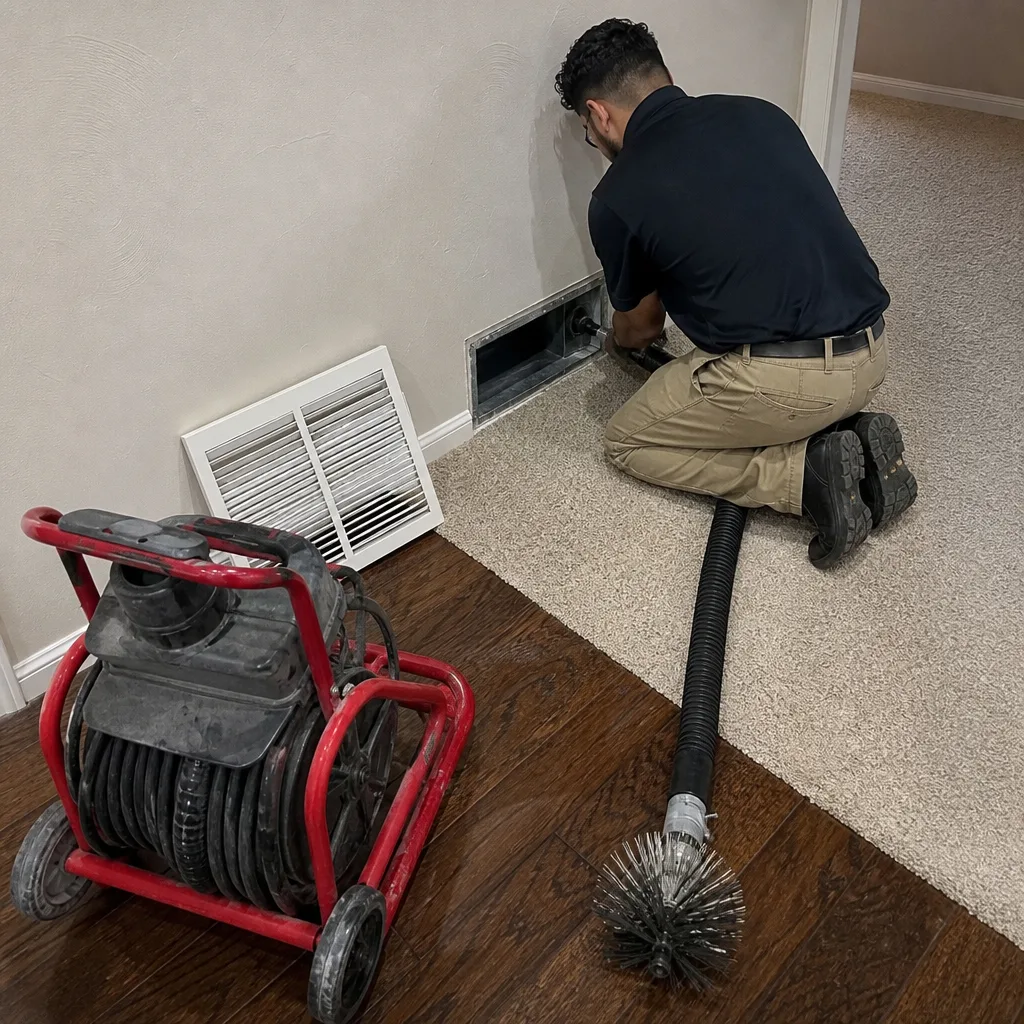 After
After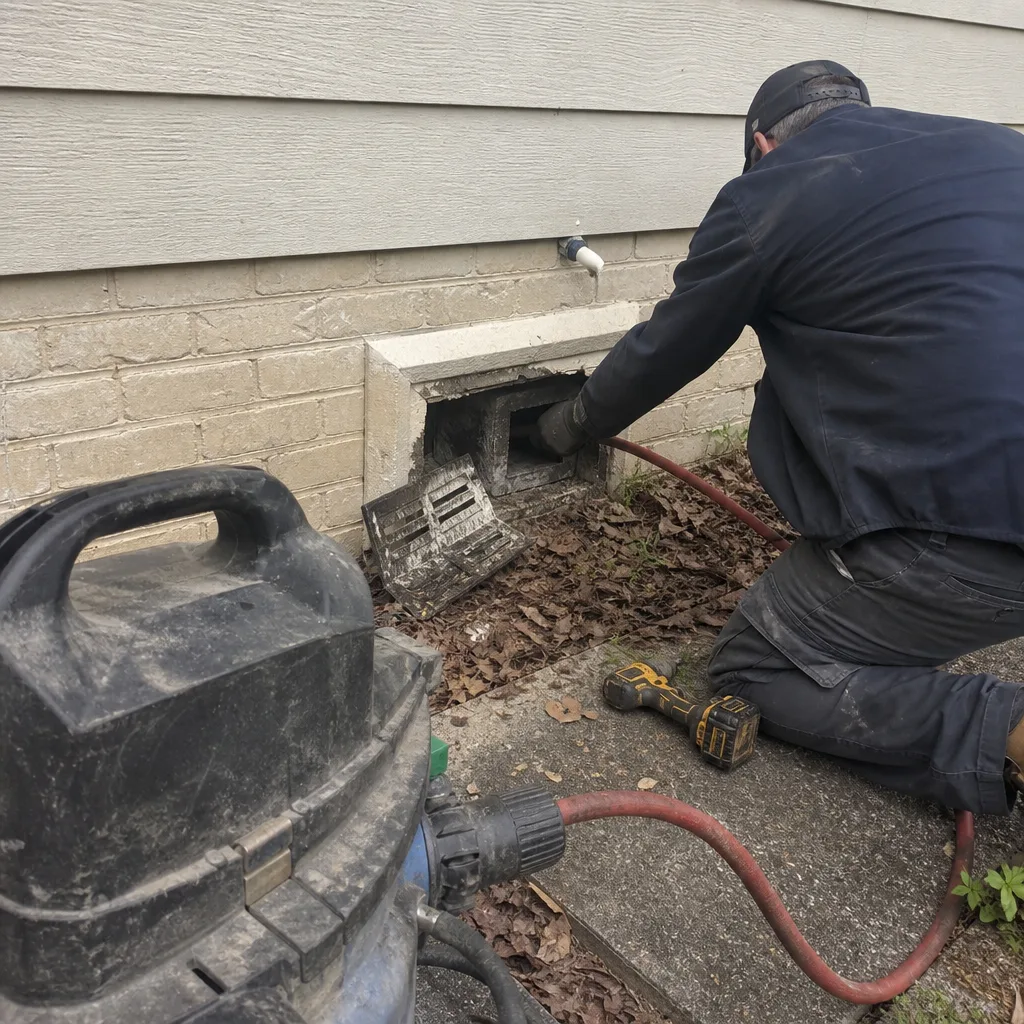 Before
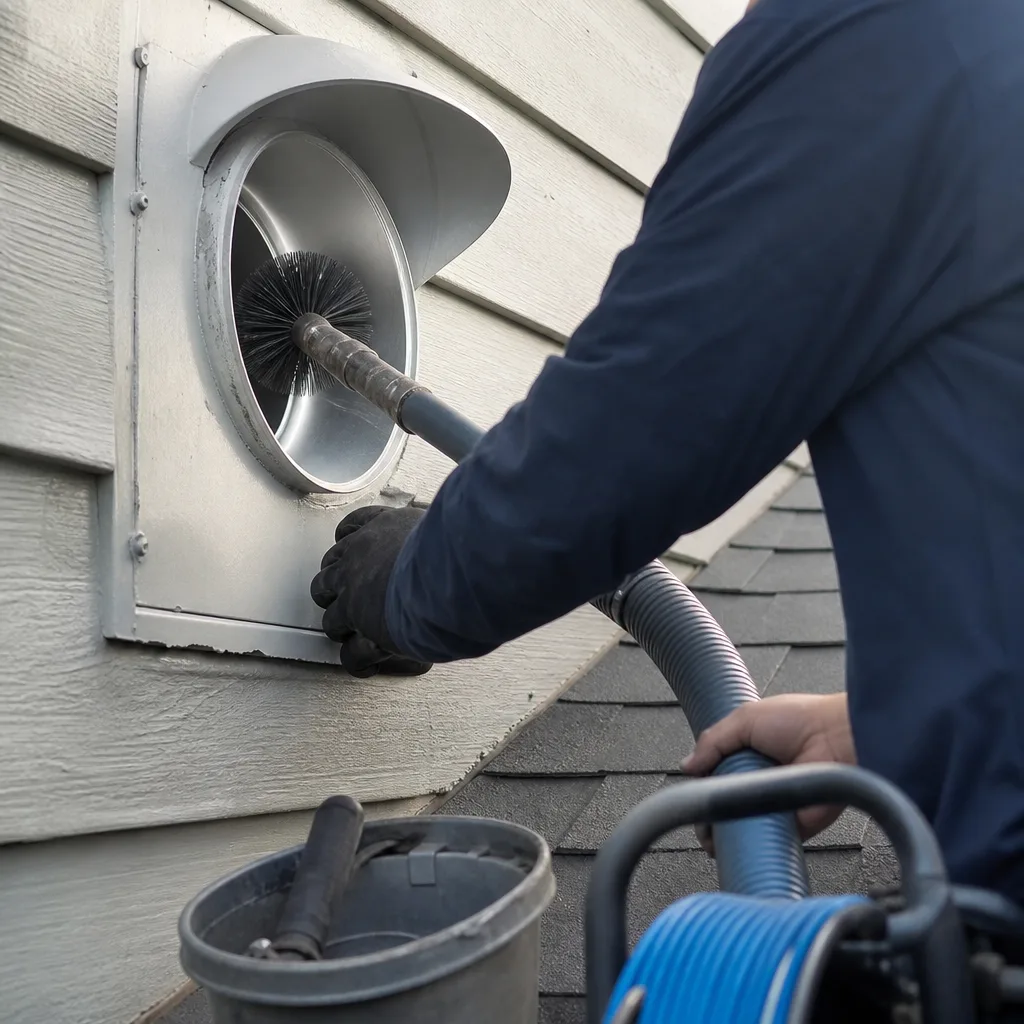 After
After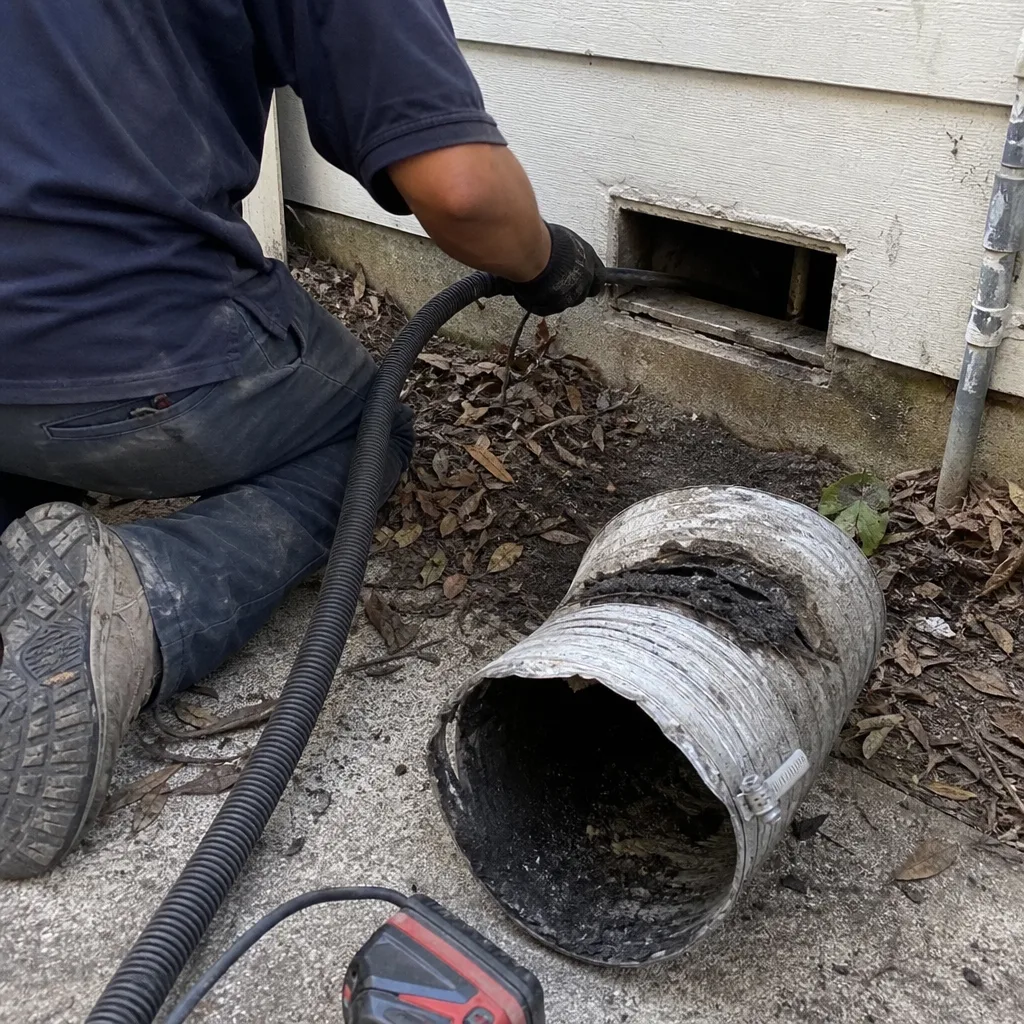 Before
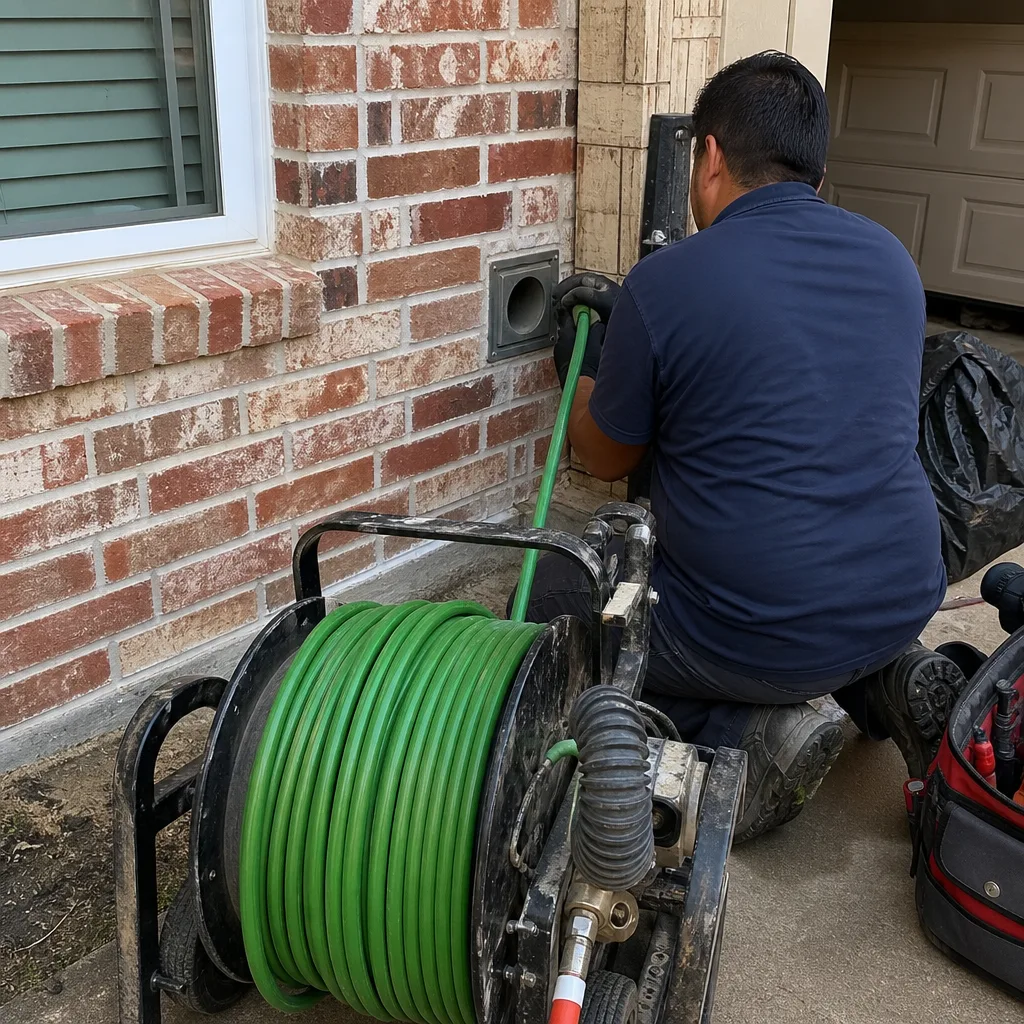 After
AfterHow to Hire a Air Duct Cleaning Contractor in Sugar Land: A Step-by-Step Guide
The $79 duct cleaning coupon persists in Sugar Land because most homeowners have no way to tell whether work was actually performed. A contractor who knows you cannot see inside your own ductwork has little incentive to do more than run a noisy machine for twenty minutes and present a receipt. In this guide and our more guides & resources, we’ll show you the exact questions that separate real duct cleaning from performance art, what a legitimate written quote must include, and how to hold any contractor accountable after the truck leaves your driveway in Sugar Land.
Quick Answer
To hire a legitimate Air Duct Cleaning services contractor in Sugar Land, request a written quote that specifies linear feet of duct to be cleaned, access points to be cut, equipment type with CFM rating, and exclusions. Verify NADCA membership independently, demand pre-cleaning camera footage from inside a supply run, and refuse verbal-only pricing. A credible contractor will document every duct run with before-and-after photos and provide a written workmanship guarantee.
Table of Contents
- Why Most Duct Cleaning Fails Before the Truck Arrives
- The Four Things a Written Quote Must Specify
- How to Verify NADCA Membership and Why It Matters
- The Camera Inspection Question Every Homeowner Should Ask
- Red Flags in the First Five Minutes of a Visit
- How to Structure Post-Job Accountability
- Sugar Land-Specific Considerations: Climate, Codes, and Construction
- Common Mistakes to Avoid
- When to Call a Professional
- Frequently Asked Questions
- The Bottom Line
BeforeAfterWhy Most Duct Cleaning Fails Before the Truck Arrives
The problem starts with how homeowners search. Type “air duct cleaning Sugar Land” into any search engine and you’ll see a wall of identical offers: a low opening price, a vague promise of “complete system cleaning,” and a phone number. What you won’t see is any specification of what “complete” means, how the work will be measured, or what you’ll receive as proof.
We’ve been in Sugar Land homes since 2013 where the previous contractor spent forty minutes on site, left a $199 invoice, and the camera showed the same debris layer at the plenum (the central distribution box where all duct runs connect) that was there before they arrived. The homeowner had no recourse. There was no written scope. No photo record. No standard to enforce.
The air duct cleaning industry in Sugar Land operates on an information asymmetry: the contractor sees inside your ducts and you do not. The $79 coupon is not a loss leader. It is a bet that you will not ask the questions that reveal what is actually being done.
Here is what changes that dynamic. A homeowner who knows four specific elements of a written quote, who verifies NADCA membership independently rather than trusting a logo on a van, and who demands camera documentation before any work begins, shifts the power relationship. The contractor now knows the work is verifiable. This guide gives you that framework.
The Four Things a Written Quote Must Specify
A verbal estimate for duct cleaning is not an estimate. It is a price that will change once the technician is in your home and has established rapport. Haven Standard Clause 1 requires a written price before any work starts, every time, with no exceptions. Here is what that written document must contain to be enforceable.
1. Linear Feet of Duct to Be Cleaned
Your home’s ductwork is a measured system. A typical Sugar Land home built between 2015 and 2025 in neighborhoods like Telfair, Riverstone, or Sweetwater contains 120 to 180 linear feet of duct across supply and return runs. The written quote should state this number explicitly. If the contractor cannot or will not measure, they are not planning to clean the full system. They are planning to clean what is convenient.
Ask: “How many linear feet are you quoting to clean, and how did you measure?” A credible answer involves a floor plan review, a physical tape measure, or a reference to your home’s HVAC blueprint. An evasive answer involves phrases like “the whole system” or “however much is in there.”
2. Access Points to Be Cut
Proper duct cleaning requires access. In most Sugar Land homes, the original ductwork was installed with limited access panels. A legitimate cleaning will require cutting additional access points to reach every duct run, particularly at turns and long horizontal sections where debris accumulates. The written quote must specify:
- Number of access cuts to be made
- Locations (by room or duct run designation)
- Method of closure (sealed panel, gasketed access door, or permanent repair)
If the quote mentions no access cuts, the contractor is planning to clean only what their equipment can reach from existing registers. That is not a complete cleaning.
3. Equipment Type and CFM Rating
Not all duct cleaning equipment performs the same work. The written quote should name the equipment to be used and its airflow capacity in cubic feet per minute (CFM). For context:
- Portable shop vacuums: 100-200 CFM, insufficient for duct cleaning
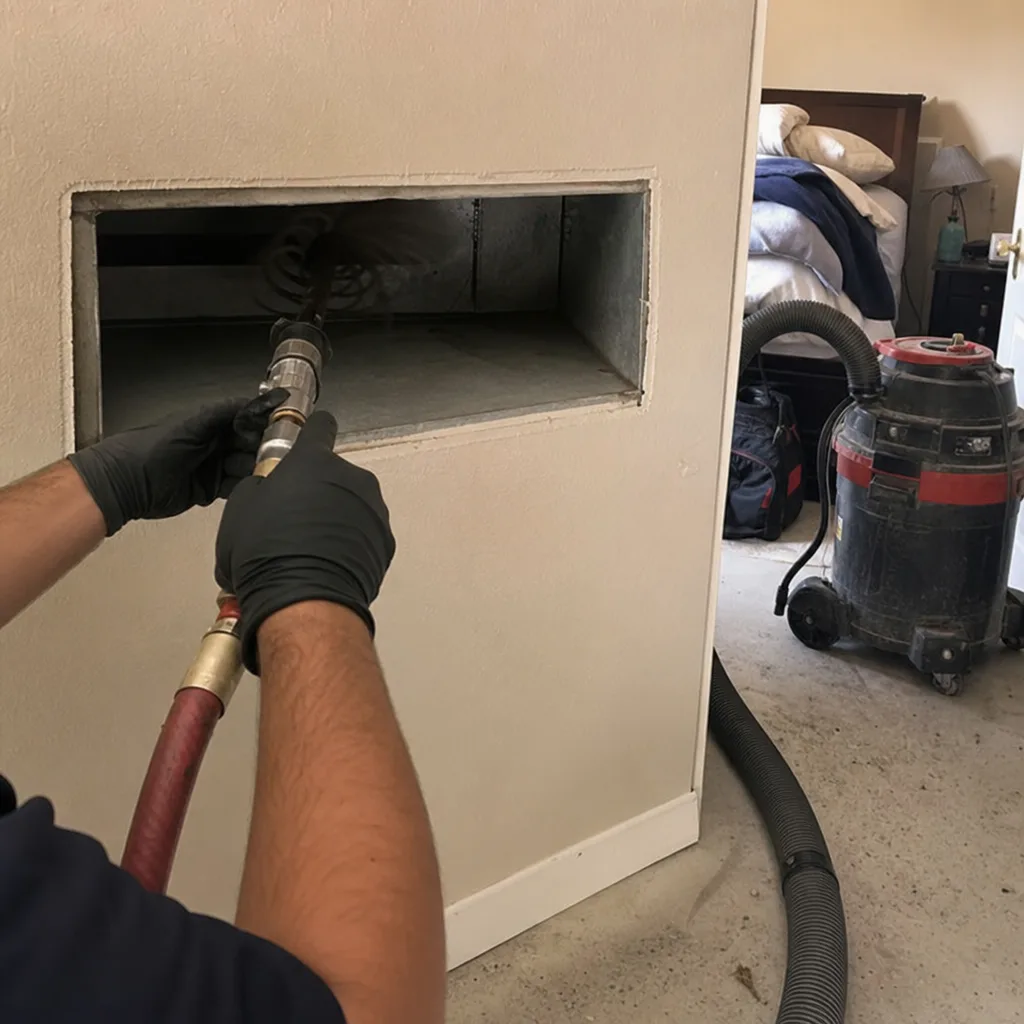
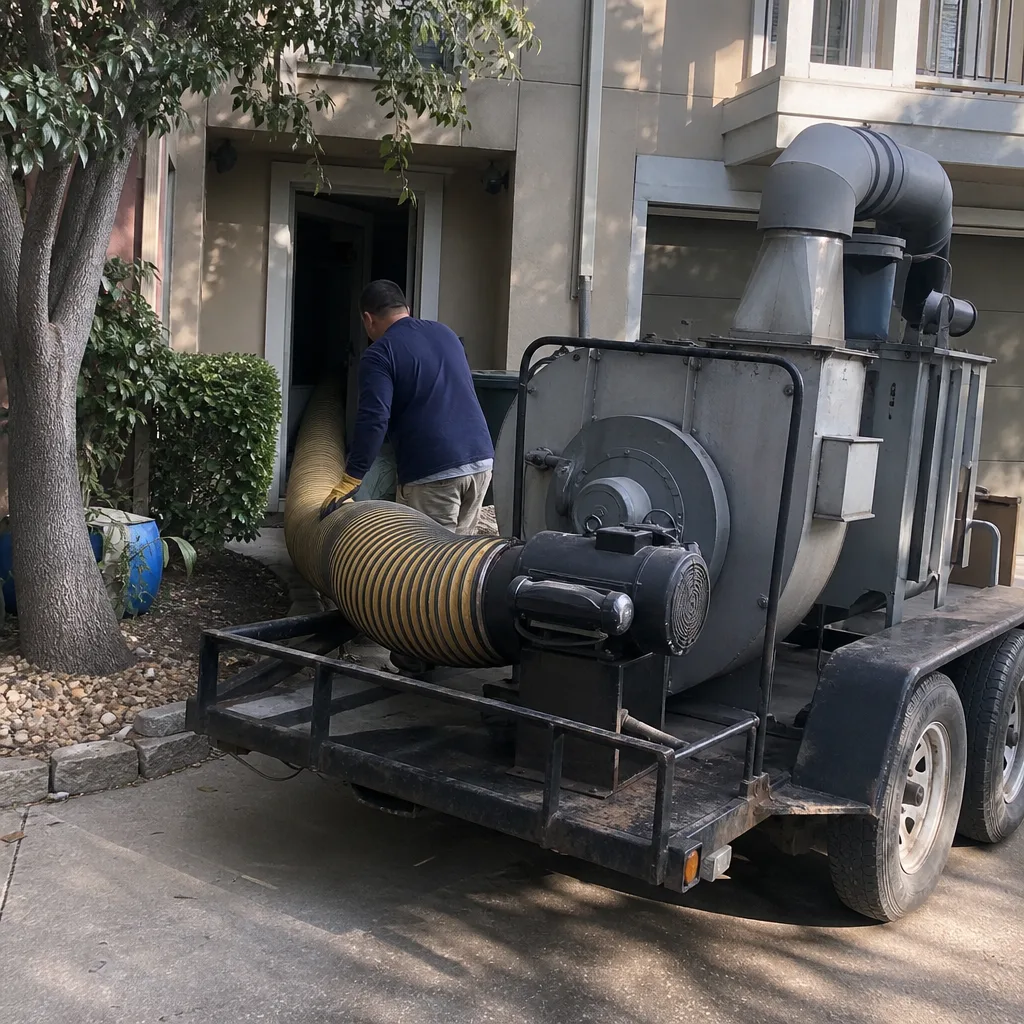
- Truck-mounted negative-pressure systems: 3,000-5,000+ CFM, industry standard for thorough extraction
- Rotary brush systems (such as Rotobrush): mechanical agitation combined with vacuum extraction, effective for residential ductwork with proper technique
CleanRun’s equipment roster includes Rotobrush for mechanical agitation, Nikro and Abatement Technologies for negative-pressure extraction, and Honeywell and Aprilaire for filtration and air quality components. We name these brands so customers can verify specifications independently. A contractor who will not name their equipment is asking for blind trust.
4. What Is Explicitly Excluded
This is the most overlooked element and the most protective. The written quote should state clearly what is not included. Common exclusions in Sugar Land duct cleaning include:
- Main trunk line cleaning (separate from branch runs)
- Coil cleaning (the HVAC evaporator coil, often located in the attic)
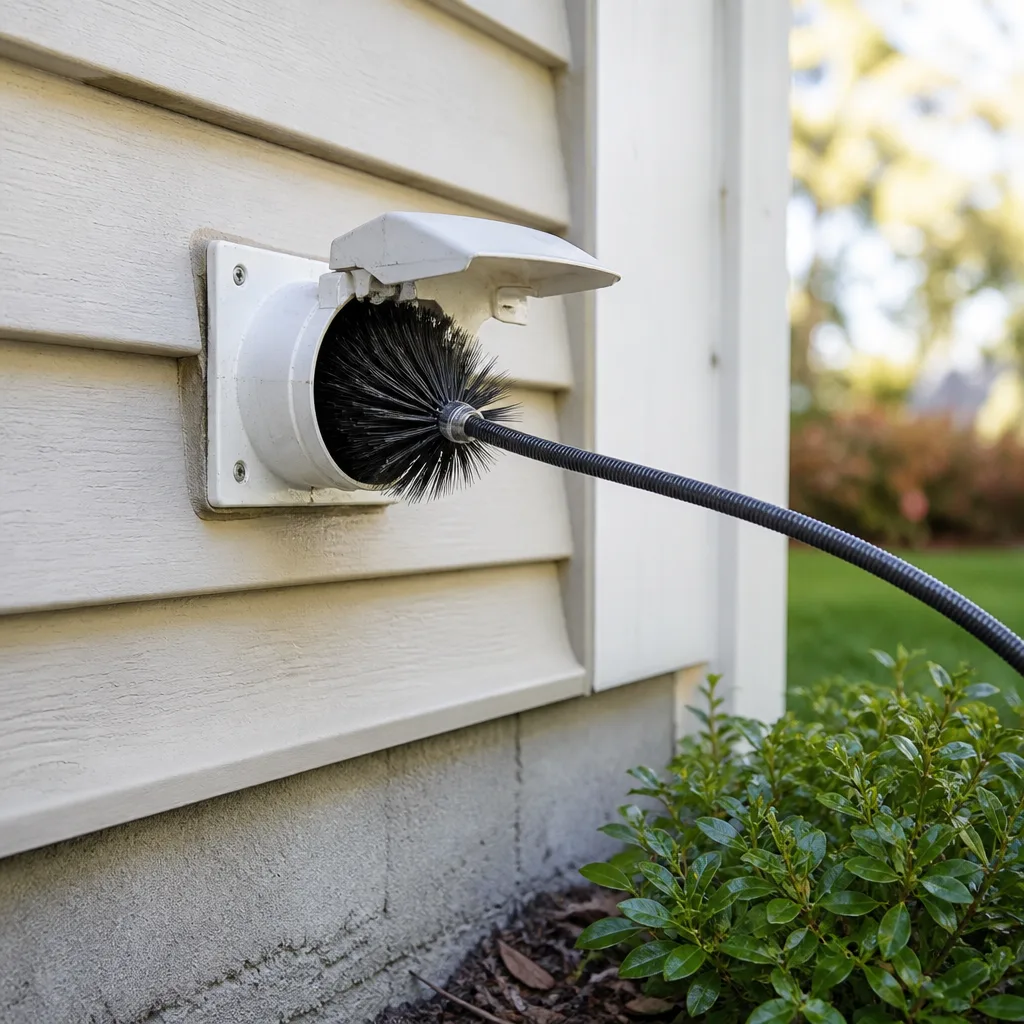
- Dryer vent cleaning (a distinct service with different equipment)
- Duct repair or sealing (needed if leaks are found)
- Register and grille removal and cleaning
A quote with no exclusions is a quote with hidden upsells. The $79 coupon becomes $400 when the technician “discovers” the main trunk was not included, the coil needs attention, or antimicrobial treatment is “recommended.” Get exclusions in writing before anyone enters your home.
How to Verify NADCA Membership and Why It Matters
NADCA, the National Air Duct Cleaners Association, is not a seal of exceptional quality. It is a minimum standard for equipment, methods, and technician training that you can reference if work is performed incorrectly. Think of it as a floor, not a ceiling.
Many contractors display the NADCA logo on their website or vehicle. Displaying the logo and maintaining current membership are different things. Here is how to verify status in real time:
- Visit NADCA.com and navigate to the “Find a Professional” directory
- Search by company name or zip code (Sugar Land is 77478, 77479, 77498)
- Confirm the company’s membership status shows “Current” with a valid expiration date
- Cross-reference the address and phone number with the contractor’s own materials
Why this matters for Sugar Land homeowners specifically: NADCA membership requires adherence to ACR, the NADCA Standard for Assessment, Cleaning, and Restoration of HVAC Systems. This standard specifies negative-pressure extraction methods, containment procedures, and post-cleaning verification. A contractor who is not NADCA-member cannot be held to this standard if the work is inadequate.
We are not suggesting NADCA membership guarantees excellent work. We are suggesting that without it, you have no industry-recognized standard to invoke if the cleaning is poorly performed. A non-member contractor who damages your ductwork, fails to contain debris, or leaves access points unsealed has no governing body to answer to. For a home in First Colony or New Territory where HVAC systems represent a significant capital investment, that exposure matters.
The Camera Inspection Question Every Homeowner Should Ask
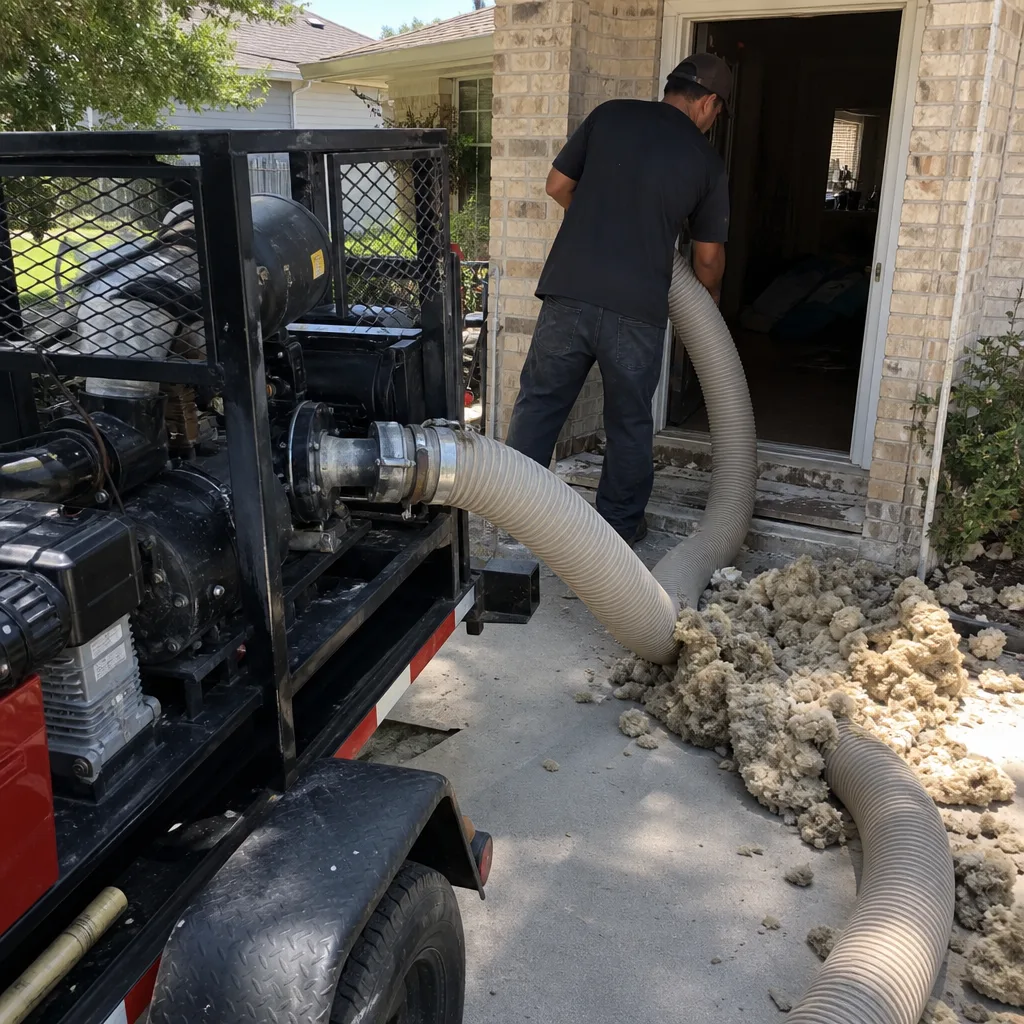
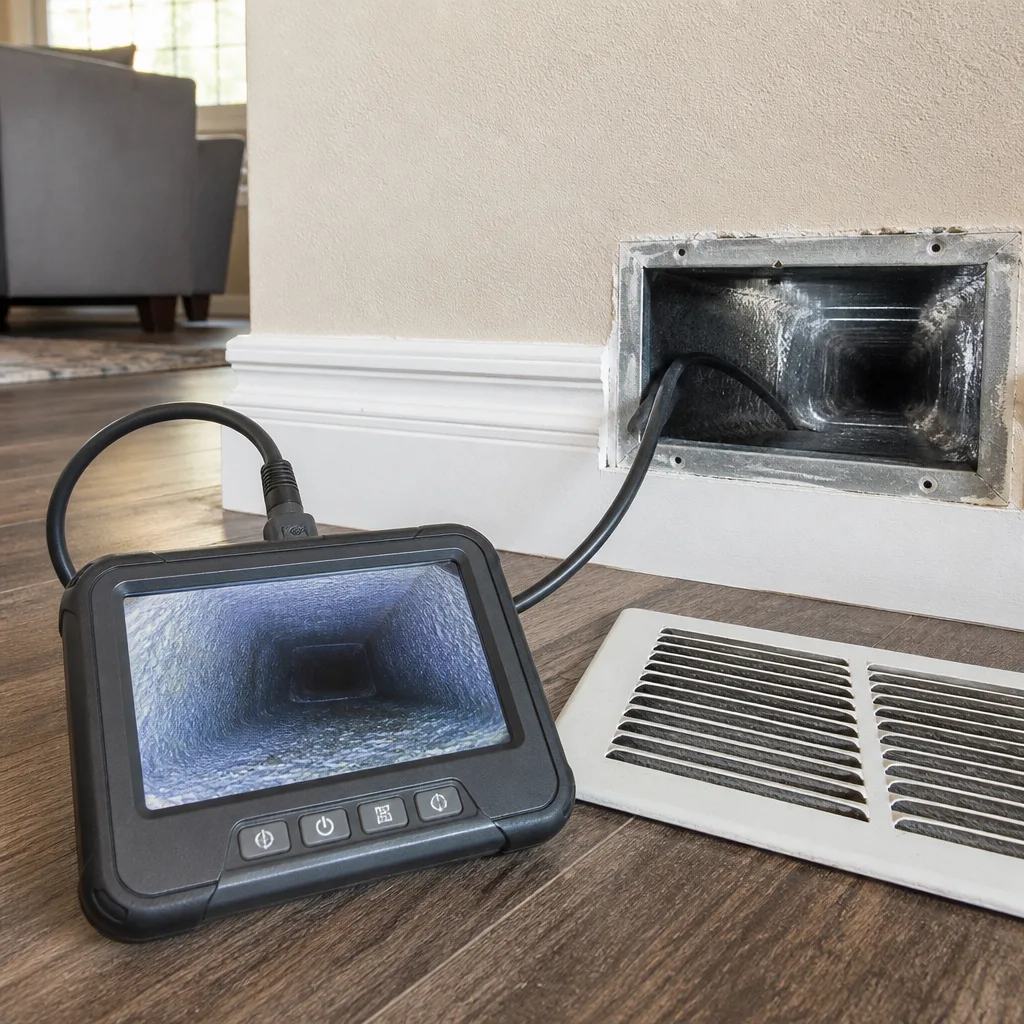
The single most revealing question in the hiring process is this: “Will you show me pre-cleaning footage from inside a supply run before I agree to the work?”
The response falls into three categories, and only one is acceptable.
Category one: The contractor offers camera footage unprompted. This is the strongest signal. It means documentation is standard practice, not a special request. At CleanRun, we photograph the inside of every duct run before and after cleaning as part of our standard job record. The camera shows a 3-inch debris build-up at the first elbow, or it shows a relatively clean run that needs less intensive service. Either way, the homeowner sees what we see before any work begins.
Category two: The contractor provides footage when asked but seems inconvenienced. This suggests documentation is possible but not habitual. You may receive footage, but it may not cover every run, and the post-cleaning comparison may be inconsistent.
Category three: The contractor avoids, deflects, or claims camera inspection is unnecessary. This is disqualifying. If a contractor will not show you the condition of your own ductwork, they are asking you to purchase a service whose need you cannot verify and whose results you cannot confirm. The $79 coupon thrives in this category.
Ask specifically for footage from a supply run, not the return. Supply runs (which deliver conditioned air to your rooms) are typically smaller in diameter and harder to clean thoroughly. A contractor who only shows return footage, or who shows only the easily accessible main trunk, is selectively disclosing.
In Sugar Land’s newer construction, particularly in communities like Aliana and Imperial, ductwork often includes flexible duct runs with multiple bends. These are precisely where debris accumulates and where camera verification is most valuable. A contractor without a borescope camera, or unwilling to use it, cannot properly assess these runs.
Red Flags in the First Five Minutes of a Visit
The technician has arrived. Before any equipment enters your home, observe these specific indicators. Each one has predictive value for what will follow.
Arrival Without a Camera Scope
A technician who cannot inspect the interior of your ductwork cannot write an accurate scope of work. If the van contains only a vacuum hose and brush attachments, with no borescope or inspection camera, the “assessment” will be visual only, from the register opening. That is not an assessment. It is a sales call.
Verbal-Only Pricing
Haven Standard Clause 1 exists because verbal pricing is unenforceable. If the technician states a price without producing a written document with the four elements described above, stop the visit. The price will change, or the scope will shrink, or both. We have heard from Sugar Land homeowners who received a verbal quote of $149 that became $587 once the technician was inside the attic and “discovered” additional requirements.
Immediate Upsell to Antimicrobial Treatment
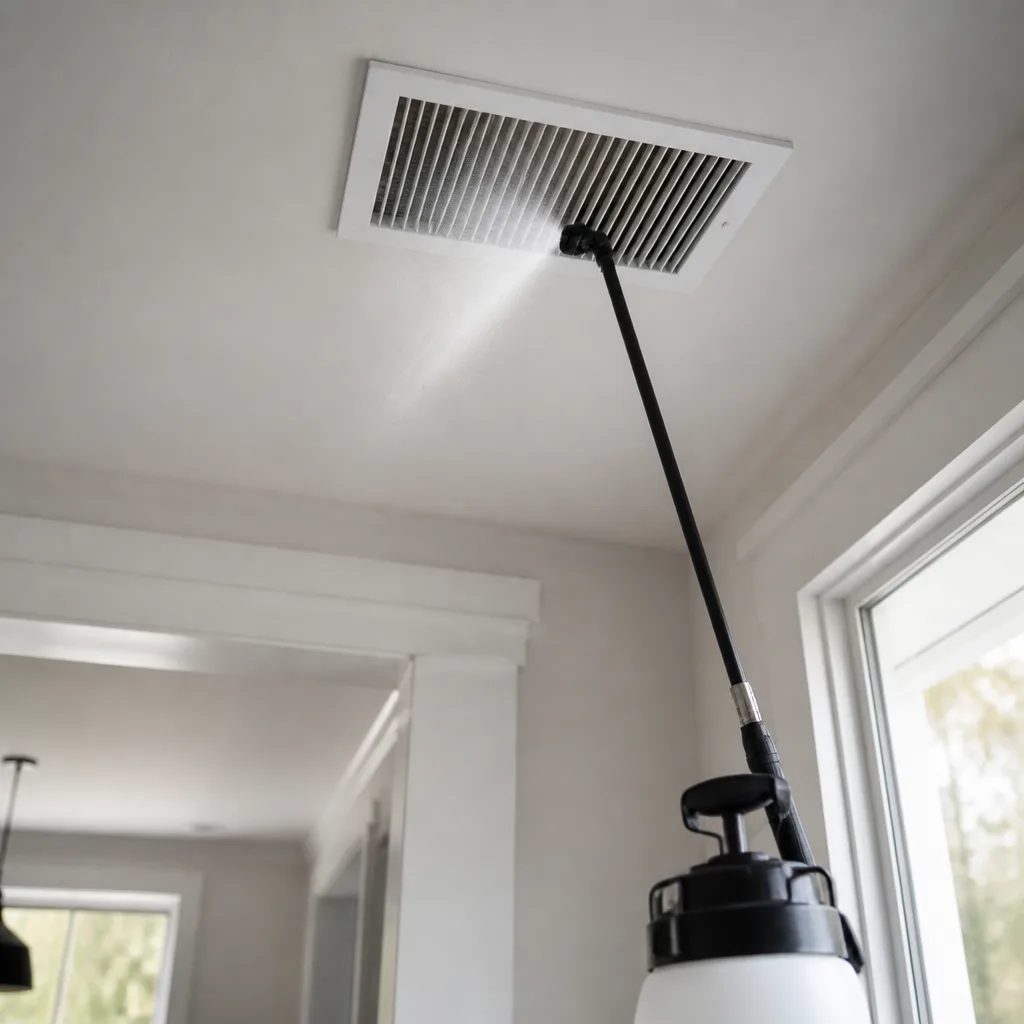
Antimicrobial treatment, fogging, or “sanitizing” spray has a place in duct cleaning, but only after mechanical debris removal is complete and only when a specific condition (microbial growth, verified by visual inspection or sampling) has been identified. A technician who proposes antimicrobial treatment before inspecting the duct interior, or who presents it as standard rather than conditional, is following a sales script, not a technical protocol.
The EPA does not register any antimicrobial products for use in ductwork where no visible contamination exists. A contractor who treats prophylactically is applying chemicals unnecessarily and, in some cases, illegally.
No Discussion of Access Cuts
If the technician walks your home, looks at registers, and never mentions where access cuts will be made, they are not planning to clean the full system. In Sugar Land’s slab-on-grade construction with attic-mounted air handlers, long horizontal duct runs in the attic require access for proper cleaning. A technician who avoids this topic is planning to clean only what their equipment can reach from existing openings.
Absence of Written Warranty or Guarantee
A verbal “satisfaction guarantee” is not a guarantee. It is a phrase. Ask for the specific document: what does it cover, for how long, and what is the remedy if work fails? CleanRun’s 365-Day Done Right Promise is backed in writing on every job. If the work is not right, we make it right. That document exists and is delivered, not merely described.
How to Structure Post-Job Accountability
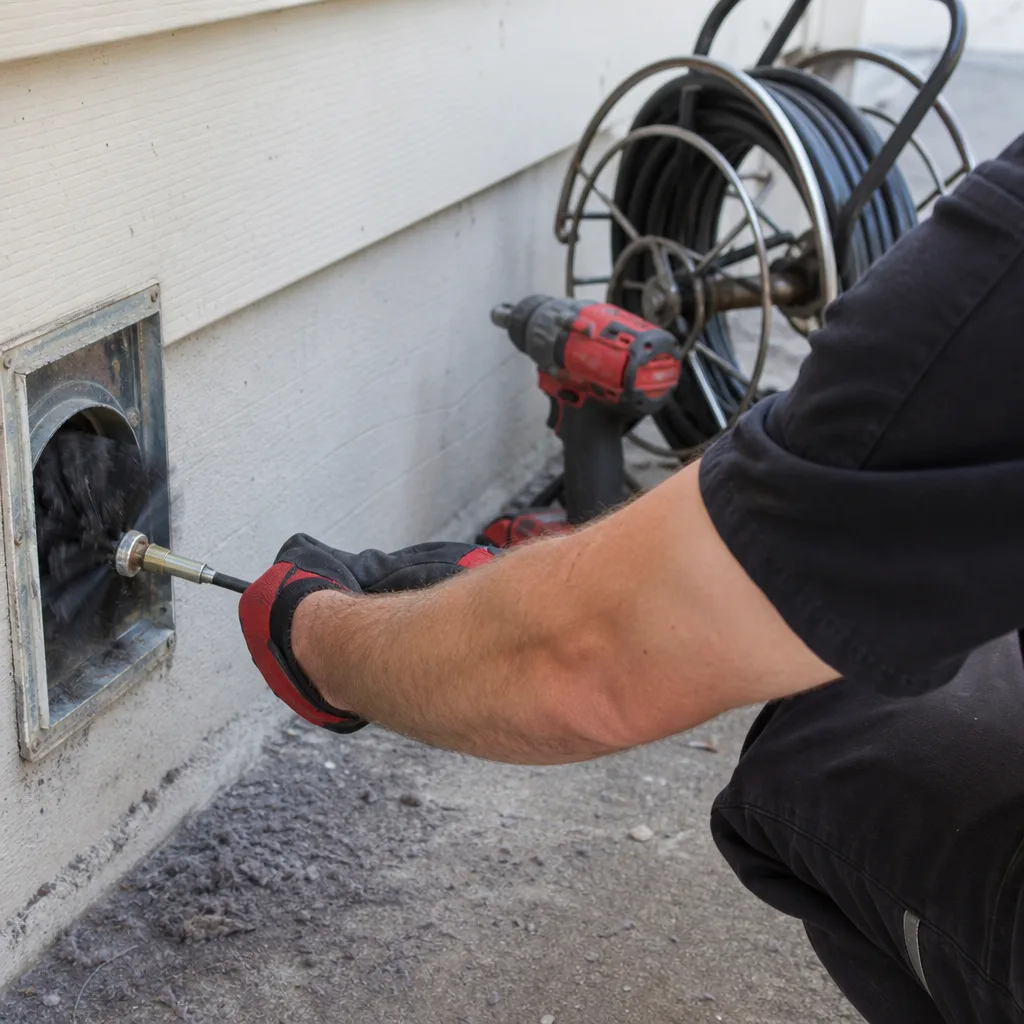
The truck has left. You have paid. Now what? Most homeowners assume the transaction is complete. In fact, this is when accountability begins, because this is when you can verify whether the work matched the quote.
Step 1: Review the Photo Record Before the Crew Departs
Do not wait for emailed photos. Request to see the before-and-after documentation on the technician’s tablet or device while they are still on site. Compare the images to the written scope: did they photograph every duct run listed in the quote? Are the after images from the same locations as the before images? A credible contractor will have these organized and ready for review.
CleanRun’s Documented Photo Record is included on every visit as a standard deliverable, not an add-on. The customer receives the full set as part of the job record, with each image labeled by duct run and location.
Step 2: Verify Access Point Closure
Every access cut made during cleaning must be properly sealed. Inspect these closures, typically in the attic or at the plenum. They should be airtight, mechanically secured, and labeled if required by local code. In Sugar Land, the International Mechanical Code as adopted by Fort Bend County requires duct access panels to maintain the system’s pressure integrity. A gap or loose panel means conditioned air is leaking into unconditioned space, increasing your energy costs and reducing system efficiency.
Step 3: Test System Operation
Run your HVAC system through a complete heating or cooling cycle. Listen for new noises, check airflow at each register, and note any odors. A properly performed cleaning should produce no new operational issues. If you detect problems, document them immediately and contact the contractor.
Step 4: Understand Your Written Workmanship Promise
The difference between a verbal “satisfaction guarantee” and a written workmanship promise is the difference between a sentiment and an obligation. Ask these specific questions:
- What duration does the promise cover? (CleanRun’s is 365 days)
- What triggers it? (Any failure of the work performed, not just customer dissatisfaction)
- What is the remedy? (Re-performance, repair, or refund - specified in writing)
- Is manager approval required? (A true guarantee is not subject to discretionary approval)
The 365-Day Done Right Promise means the work is accountable long after the truck leaves. It is not a policy that can be revised or denied. It is a written obligation delivered with every job record.
Sugar Land-Specific Considerations: Climate, Codes, and Construction
Sugar Land’s environment and building patterns create specific conditions that affect duct cleaning needs and contractor selection, which is why we published Seasonal Air Duct Cleaning Care for Sugar Land: Year-Round Homeowner’s Guide.
Humidity and Microbial Growth
Sugar Land’s average relative humidity exceeds 70% for much of the year, with summer peaks above 80%. Attic-mounted ductwork in unconditioned space experiences temperature differentials that produce condensation on duct surfaces. Where dust accumulates and moisture is present, microbial growth follows. This is not a hypothetical risk. In homes we’ve serviced near the Brazos River corridor, camera inspection has revealed active growth at duct elbows where condensation pools.
This condition does not automatically require antimicrobial treatment. It requires mechanical cleaning first, then assessment of whether the underlying moisture problem (inadequate insulation, air leakage, or missing vapor barrier) has been addressed. A contractor who sells fogging without addressing the moisture source is treating symptoms.
Post-Harvey Reconstruction Ductwork
Homes in Sugar Land that experienced flooding during Hurricane Harvey in 2017 may have had ductwork replaced or repaired during reconstruction. Post-event installations sometimes used flexible duct material where rigid was original, or combined new and existing sections with inconsistent sealing. These hybrid systems require careful assessment: the new sections may be clean while legacy sections contain pre-flood debris, or sealing failures at connection points may have developed since installation.
A contractor who does not ask about your home’s flood history, or who assumes all ductwork is original, may miss these material differences.
New Construction Debris
Sugar Land’s rapid growth in neighborhoods like Riverstone and Telfair has produced homes where construction debris - drywall dust, wood particles, insulation fragments - was present in ducts from the first day of occupancy. Homeowners in these communities often report dust accumulation within months of moving in, not years. The issue is not inadequate filtration; it is pre-existing debris that was never removed.
Standard HVAC startup procedures do not include duct cleaning. A new homeowner who assumes the ducts are clean because the home is new is making an unsupported assumption. Camera inspection reveals the actual condition.
Local Permitting and Code
Fort Bend County, which governs Sugar Land, adopts the International Mechanical Code with local amendments. Duct modifications, including access panel installation, must maintain system pressure ratings and fire safety classifications. A contractor who cuts access holes without understanding these requirements can compromise system performance and create code violations. NADCA membership provides some assurance that the contractor is trained in applicable codes, but verification as described above is still necessary.
Common Mistakes to Avoid
- Choosing by price alone. The $79 coupon in Sugar Land covers register vacuuming and little else. A legitimate whole-system cleaning for a typical 2,500-square-foot home runs $400-$700 depending on linear footage, access difficulty, and condition. Below this range, the math does not work for proper equipment, trained labor, and documentation.
- Accepting “whole house” without measurement. Without linear footage specified, “whole house” means whatever the contractor decides it means. Insist on quantified scope.
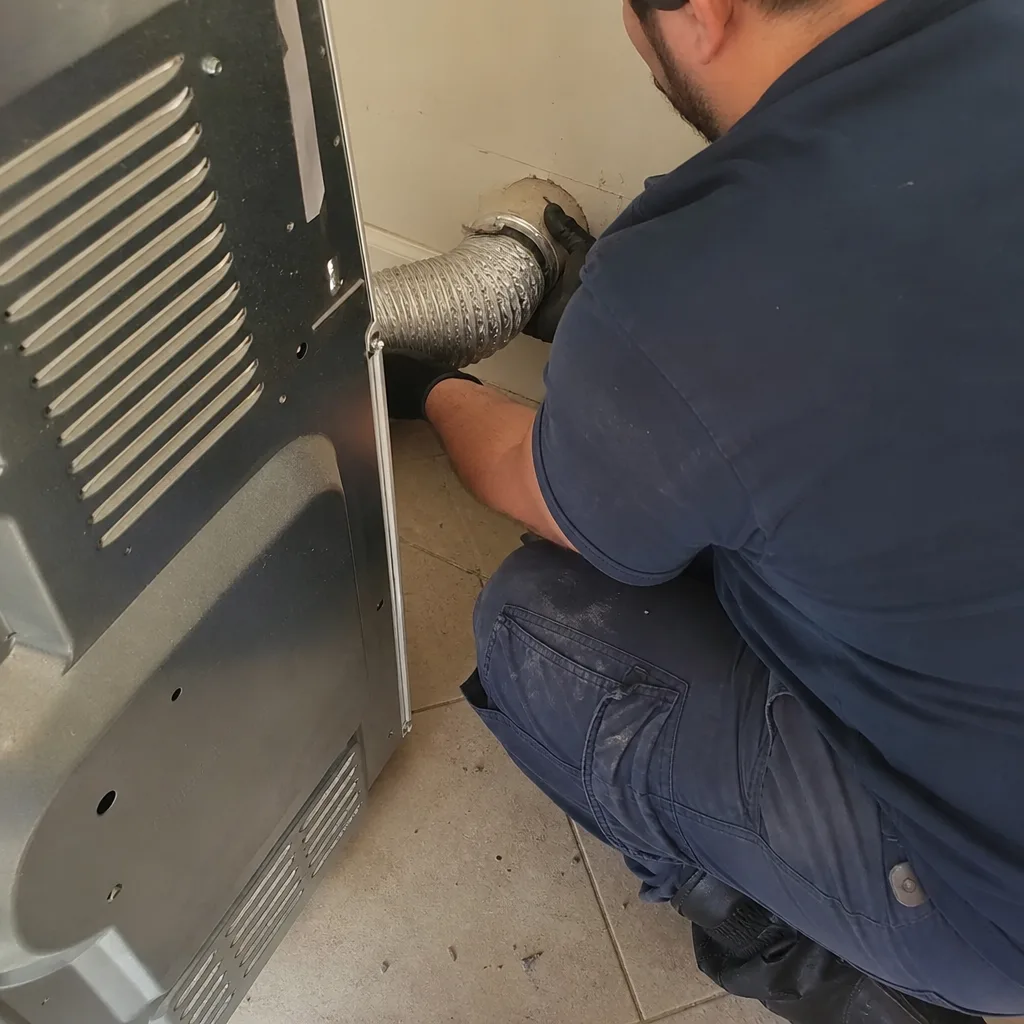
- Neglecting the dryer vent. In Sugar Land’s humid climate, lint accumulation in dryer vents is accelerated by moisture absorption. A contractor who cleans ducts but ignores the dryer vent (or treats it as a separate upsell rather than a related safety issue) is not performing complete service. Dryer vent cleaning in Sugar Land should be addressed as part of a thorough home air system evaluation.
- Failing to verify NADCA status independently. Logos deceive. The NADCA website does not. Spend two minutes confirming membership before scheduling.
- Not requesting the photo record before payment. Once the contractor has your payment, your leverage diminishes. Review documentation while they are still on site and the equipment is still connected.
- Ignoring the HVAC coil. The evaporator coil in your air handler is part of the airflow path. If it is dirty, cleaning ducts alone will produce limited improvement. A contractor who does not inspect or offer coil cleaning is addressing half the system.
- Assuming new homes have clean ducts. Construction debris in Sugar Land’s recently built homes is common. Do not let the age of your home substitute for camera verification.
When to Call a Professional
Schedule a professional duct cleaning assessment when you observe visible dust emission from registers, inconsistent airflow between rooms, musty odors when the system operates, or after any renovation that produced significant dust. In Sugar Land’s climate, also consider assessment if your home has experienced water intrusion or if you have never had ducts cleaned since purchasing a home built before 2020.
CleanRun Air Duct Cleaning Sugar Land offers free estimates in Sugar Land. Every estimate includes a written price before any work starts, every time, under Haven Standard Clause 1. Call (346) 421-3357 to schedule.
Frequently Asked Questions
Whole-system air duct cleaning in Sugar Land typically costs $400-$700 for a standard 2,000-3,000 square foot home, depending on linear footage of ductwork, number of access cuts required, and system condition. Prices below $300 generally indicate limited scope (register cleaning only) or undisclosed upsells. CleanRun provides a written price before any work starts with all exclusions noted. Call (346) 421-3357 for an exact quote - estimates are free.
Low quotes exclude necessary elements: linear footage limits, access cuts, main trunk cleaning, or proper equipment. The $79-$149 price point covers register vacuuming and brush contact near openings, not full-system cleaning. Once on site, the contractor identifies “additional needs” that restore the price to market rate or above. A written quote with explicit inclusions and exclusions prevents this. If a quote seems too low, it is incomplete.
Demand a documented photo record of every duct run, before and after, with images labeled by location. Review these on site before the crew departs. Test system operation for changed airflow or new noises. Verify that access cuts are properly sealed. Without documentation, you have only the contractor’s word. With documentation, you have verifiable evidence.
For most Sugar Land homes, every 3-5 years with standard fiberglass filters, or every 5-7 years with high-MERV pleated filters changed regularly. Homes with pets, recent construction, or located near active development (common in Sugar Land’s expanding western neighborhoods) may need more frequent service. Camera inspection reveals actual condition better than any calendar interval.
No. NADCA membership is voluntary and not legally required in Texas or Fort Bend County. However, it provides an enforceable standard (ACR) that non-member contractors are not accountable to. For homeowners, membership is a minimum due-diligence filter, not a guarantee of excellence. Always verify current status at NADCA.com rather than trusting displayed logos.
Document the damage with photographs, stop work immediately, and request the contractor’s insurance and bond information. A properly credentialed contractor carries general liability and workers compensation coverage. CleanRun technicians operate under Haven Standard Clause 3: Verified Crews, with background-checked, uniformed personnel identified by name before arrival. For significant damage, file a claim with the contractor’s insurer and, if unresolved, consider small claims court or complaint to the Texas Department of Licensing and Regulation.
The Bottom Line
Hiring a duct cleaning contractor in Sugar Land is not about finding someone trustworthy. It is about having the specific questions that make trust verifiable. Get linear footage, access cuts, equipment specifications, and exclusions in writing. Verify NADCA membership independently. Demand camera footage before work begins. Review the photo record before the crew leaves. And insist on a written workmanship promise with defined terms, not a verbal assurance.
The $79 coupon exists because most homeowners skip these steps. The contractors who do real work, who document it, and who stand behind it in writing, welcome these questions. They are how you tell the difference.
Written by Tomas Reyes, Owner at CleanRun Air Duct Cleaning Sugar Land, serving Sugar Land since 2013.