
Last updated September 23, 2026
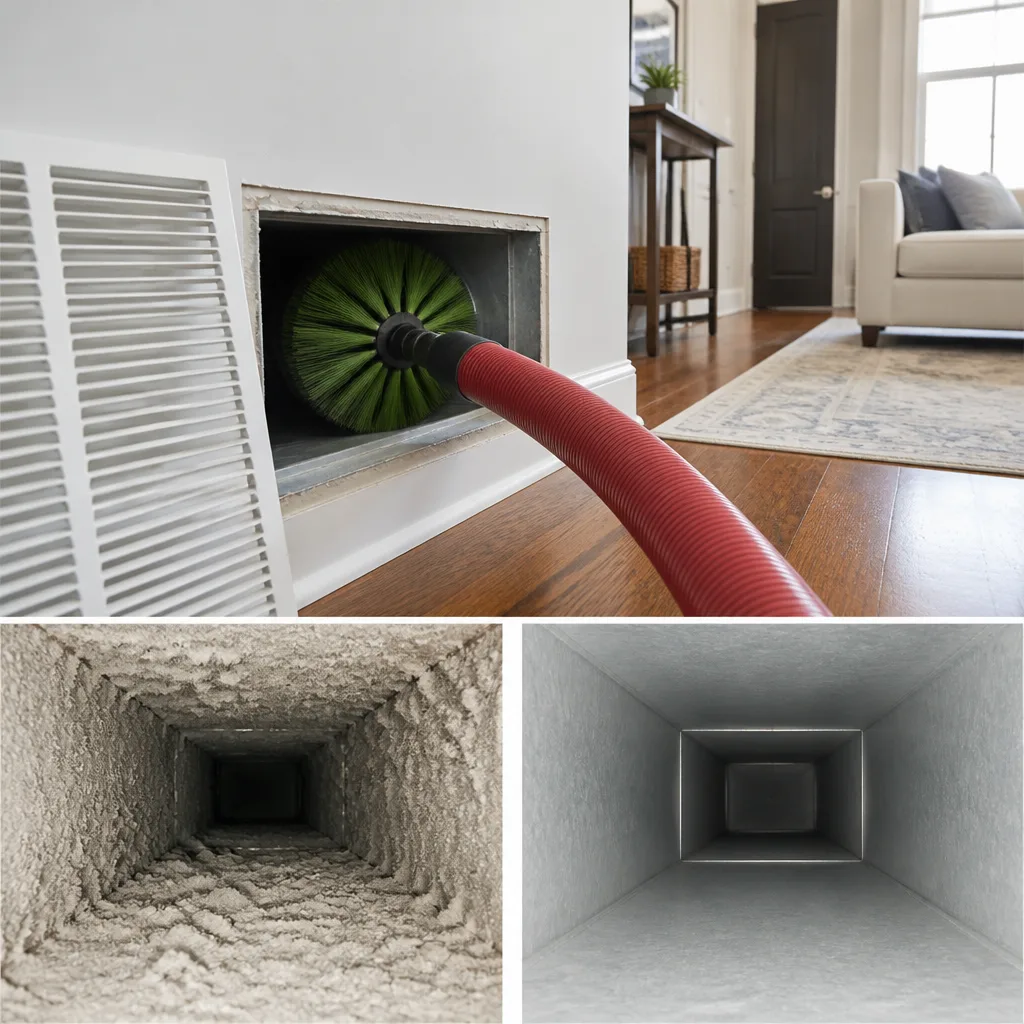
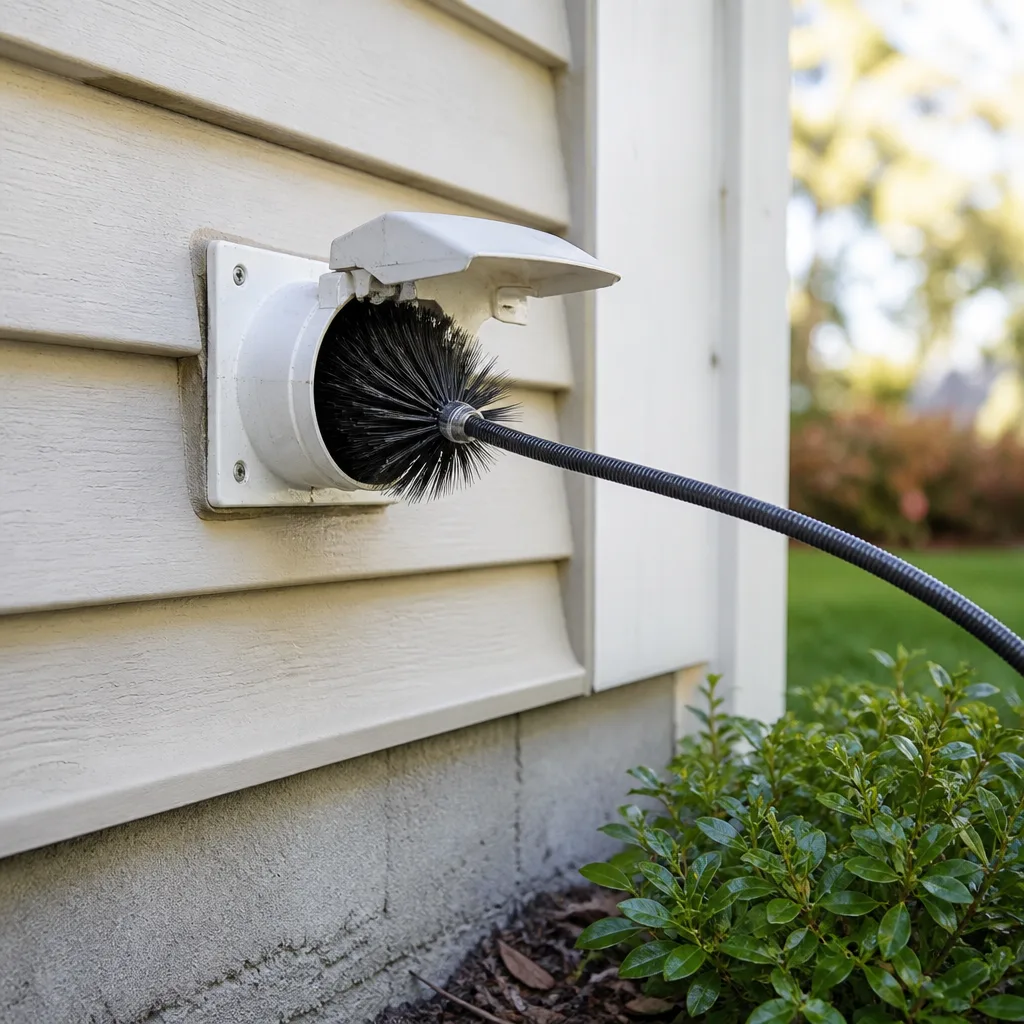
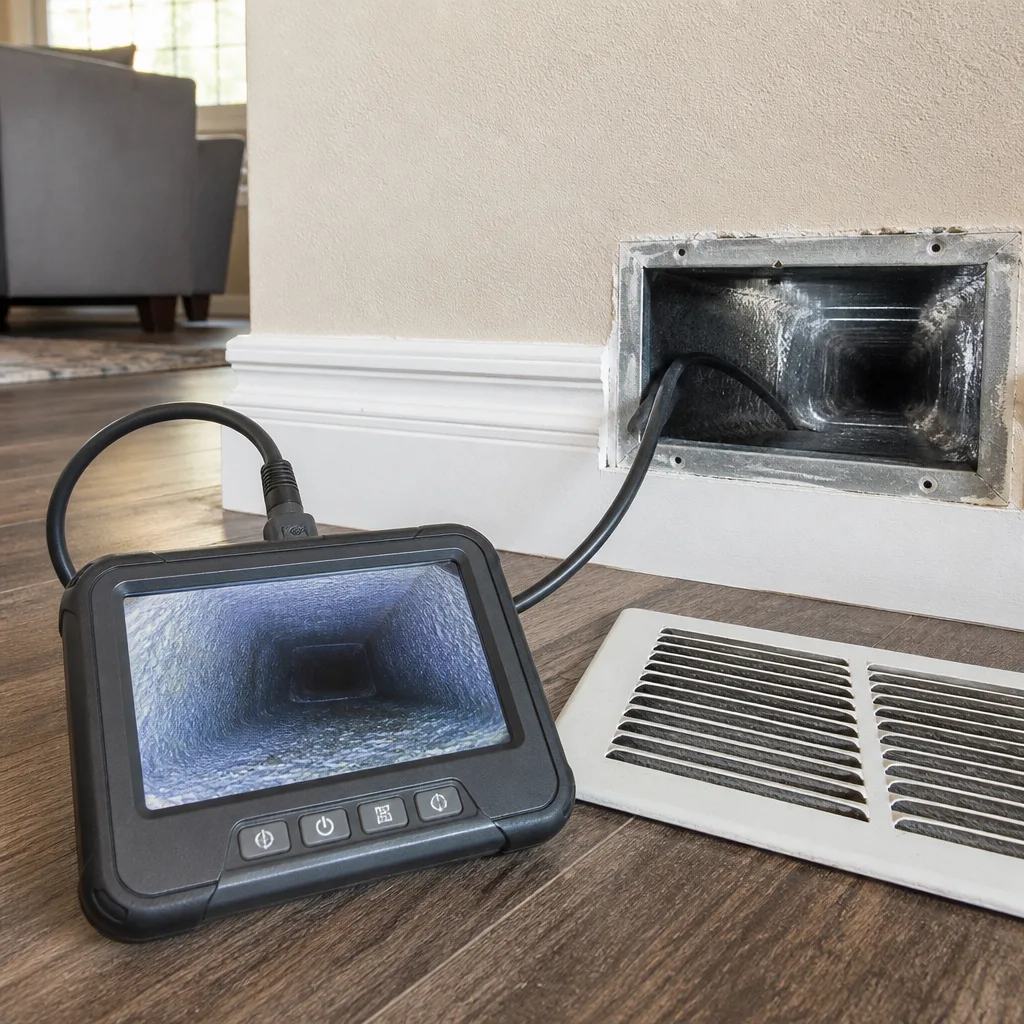
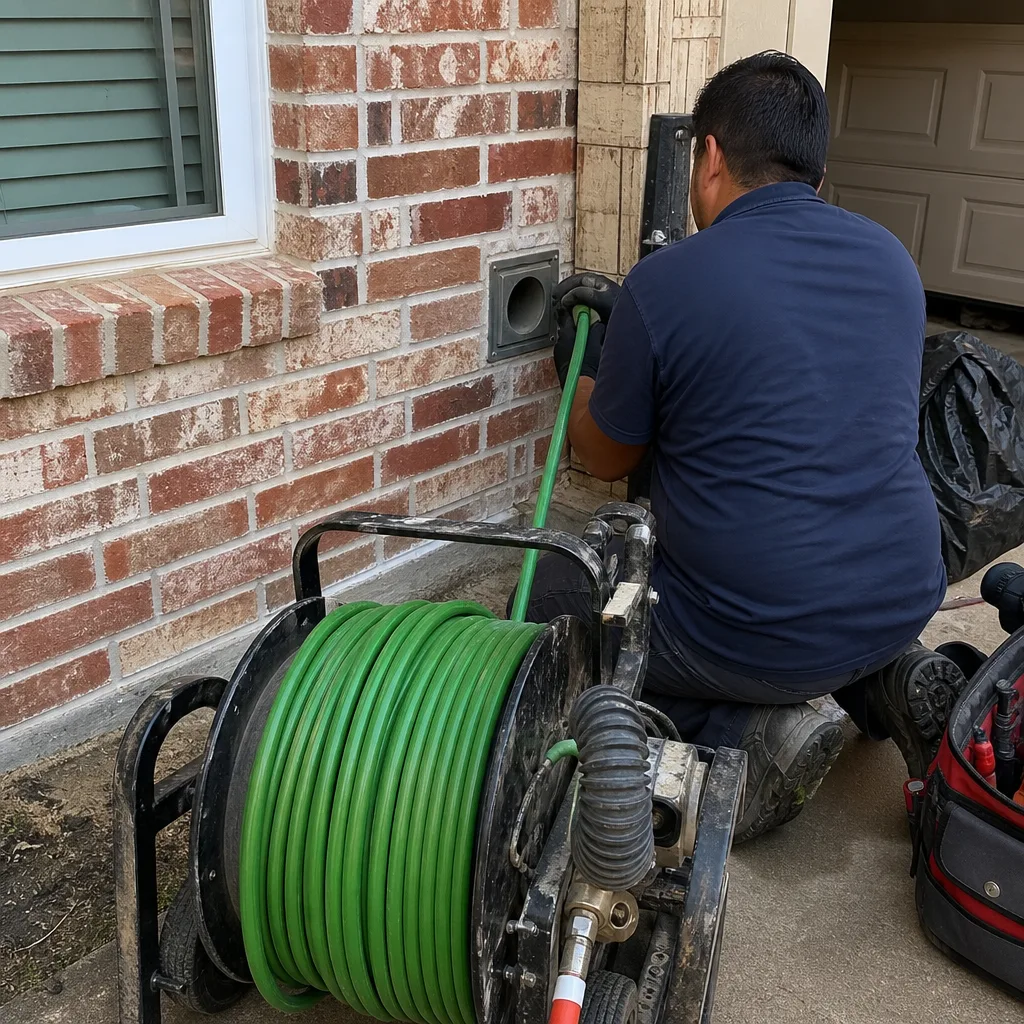
Whole-system duct and dryer vent check with before-and-after photos - you see exactly what came out of your vents
That "$99 whole-house special" is a bait ad - the real number appears once they are in your hallway, or the "clean" is a shop-vac at the register. We photograph the inside of your ducts before and after instead.
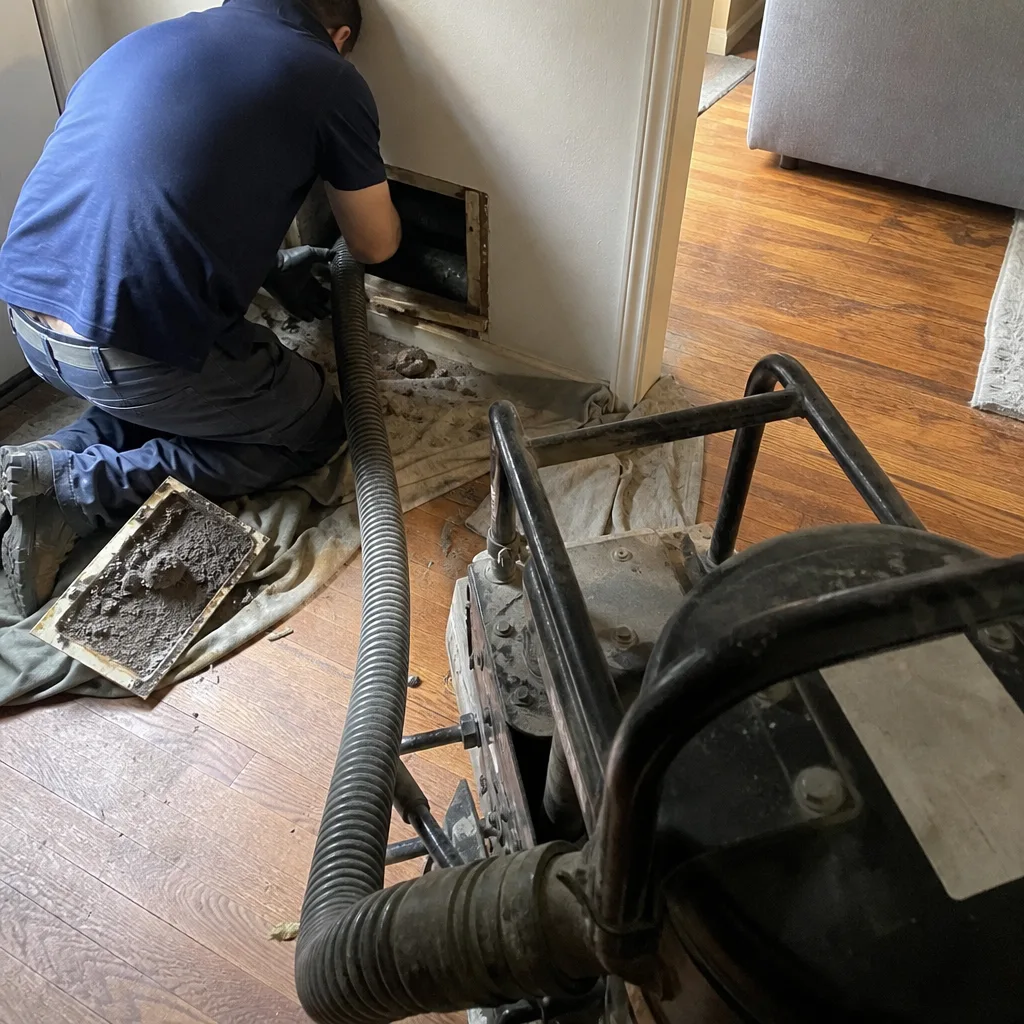 Before
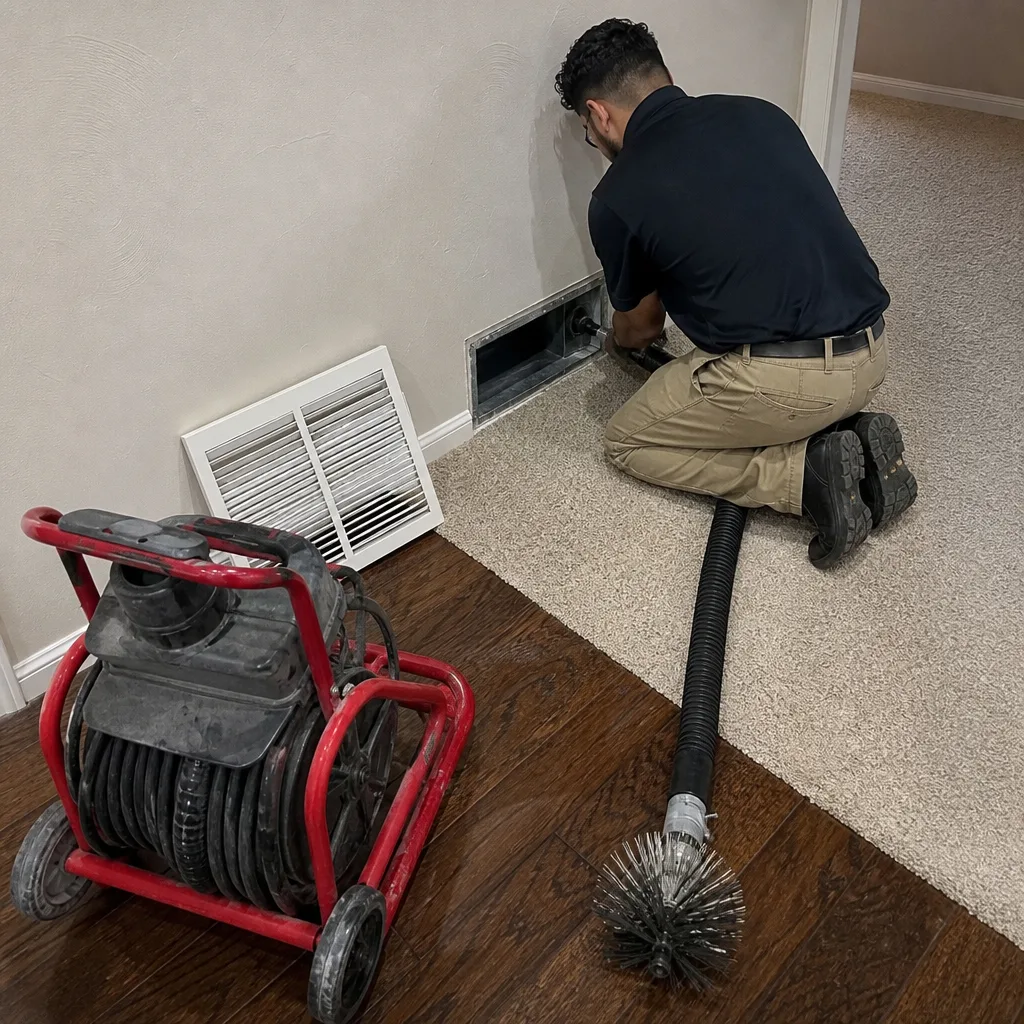 After
After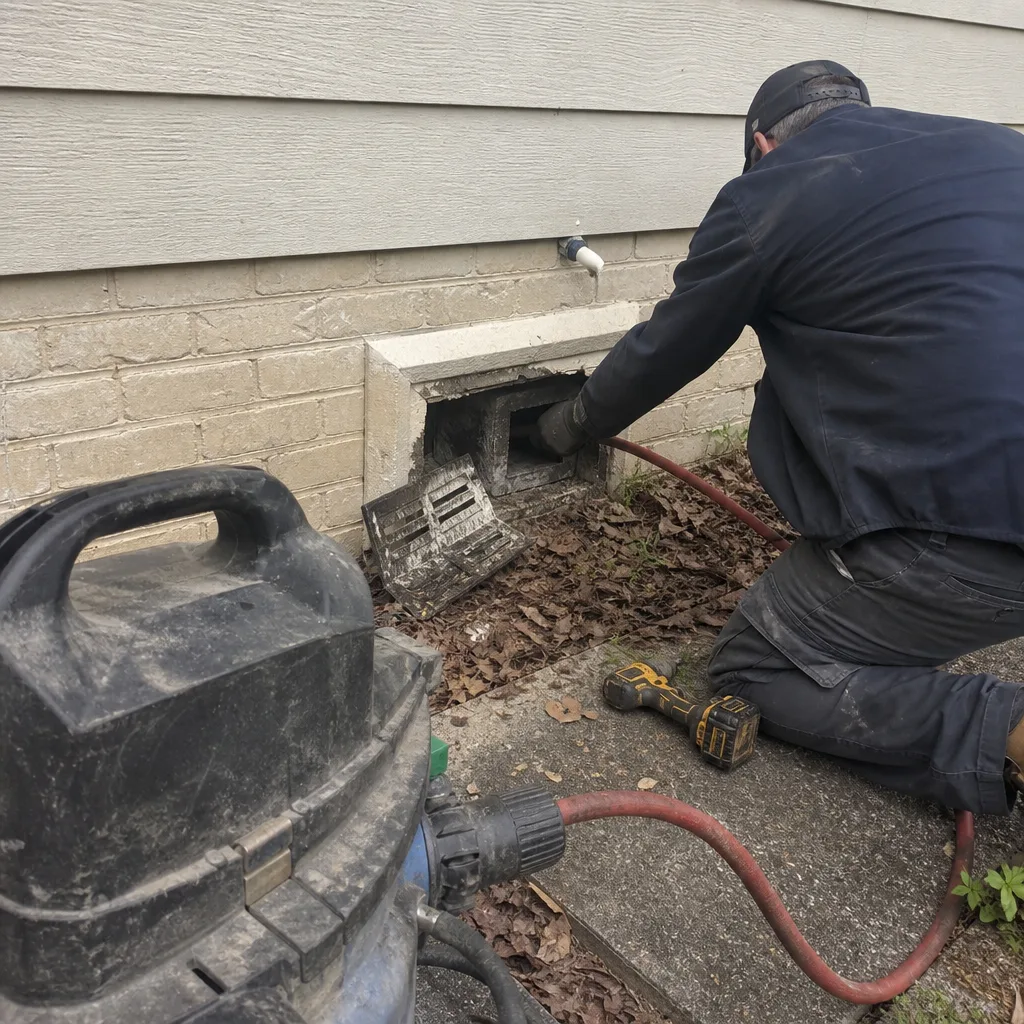 Before
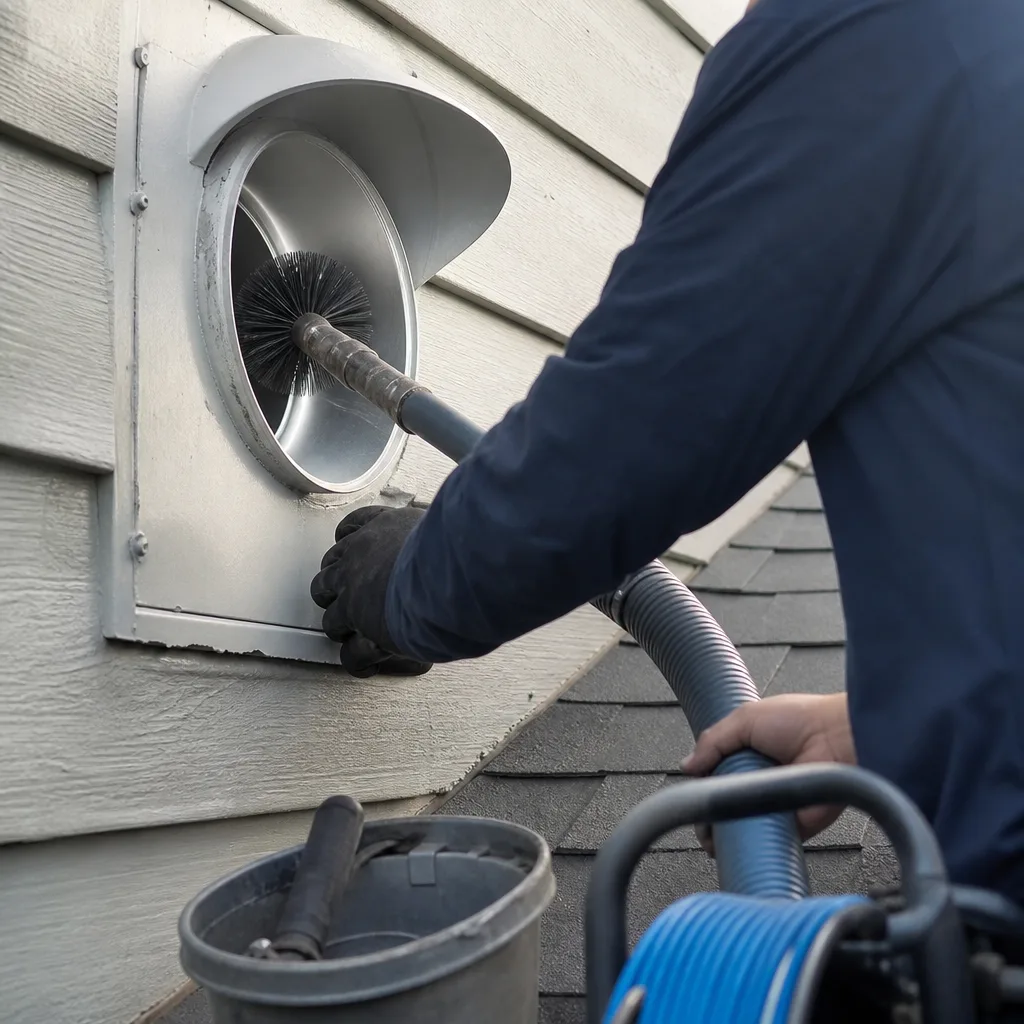 After
After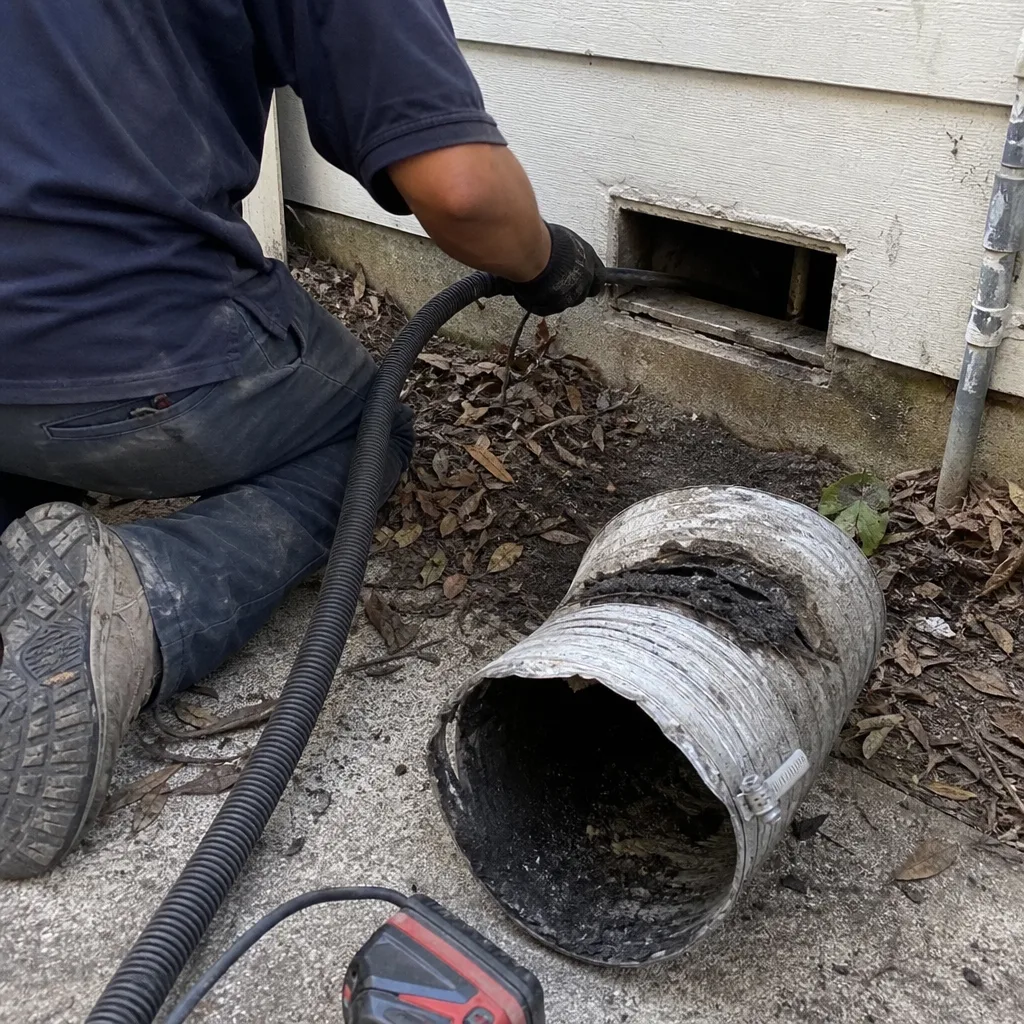 Before
 After
AfterAir Duct Cleaning Cost Breakdown: The Sugar Land Homeowner’s Reference for 2026
The $79 coupon that arrives in your Sugar Land mailbox every spring isn’t a price. It’s a filter. It filters for homeowners who don’t yet know what a complete duct cleaning actually involves, so the technician can deliver the real invoice once the truck is parked and the panels are off. In 2026, we’ve seen the same pattern across First Colony, Telfair, and Riverstone: a headline price that covers perhaps four registers, with every additional duct run, access point, and “recommended” add-on billed separately. The gap between that coupon and the final $400-$700 charge isn’t fraud in most cases. It’s a scope expansion built into a pricing model that depends on you not knowing the real job cost before work starts. This guide - along with our Air Duct Cleaning Maintenance Checklist for Sugar Land Homeowners - shows you how to calculate that number yourself, what legitimate line items belong on a Sugar Land duct cleaning invoice, and how to tell the difference between documented work and vacuum noise.
Quick Answer
Professional air duct cleaning for a typical 2,000 square foot Sugar Land home with 10 supply registers and 2 returns costs between $450 and $750 in 2026. The price depends on total system footage, accessibility of the plenum (the main distribution box connected to your HVAC unit), and whether the job includes the dryer vent or HVAC cabinet. A legitimate contractor scopes the entire system before quoting, delivers that price in writing, and does not change it after arrival.
Table of Contents
- Why Duct Cleaning Prices Vary So Widely in Sugar Land
- Real 2026 Price Ranges by Home Size and Duct Count
- Legitimate Line Items vs. Add-Ons With No Documented Benefit
- How to Calculate the Per-Register Price a Contractor Is Hiding
- Written Fixed-Price Quotes vs. Assessment-Based Pricing
- The Cost of Doing It Wrong: Why the Cheapest Quote Often Costs the Most
- What Documentation Proves the Work Actually Happened
- How Sugar Land’s Climate Affects What You’ll Pay
BeforeAfterWhy Duct Cleaning Prices Vary So Widely in Sugar Land
Walk through any Sugar Land neighborhood from Avalon to Sweetwater and you’ll find homes with nearly identical floor plans paying duct cleaning bills that differ by $300 or more. The variation comes from four factors, and only one of them is the actual work.
Factor 1: How the job is scoped. A proper scope counts every supply register (where conditioned air enters your rooms), every return (where air cycles back), the plenum, and the total linear footage of ductwork. A $79 coupon scopes nothing. It assumes a minimal system and bills upward from there. We’ve opened systems in Sugar Land’s New Territory subdivision where the coupon covered six registers and the home had fourteen. The homeowner faced a choice: stop the job incomplete, or pay the expanded scope at premium per-unit pricing.
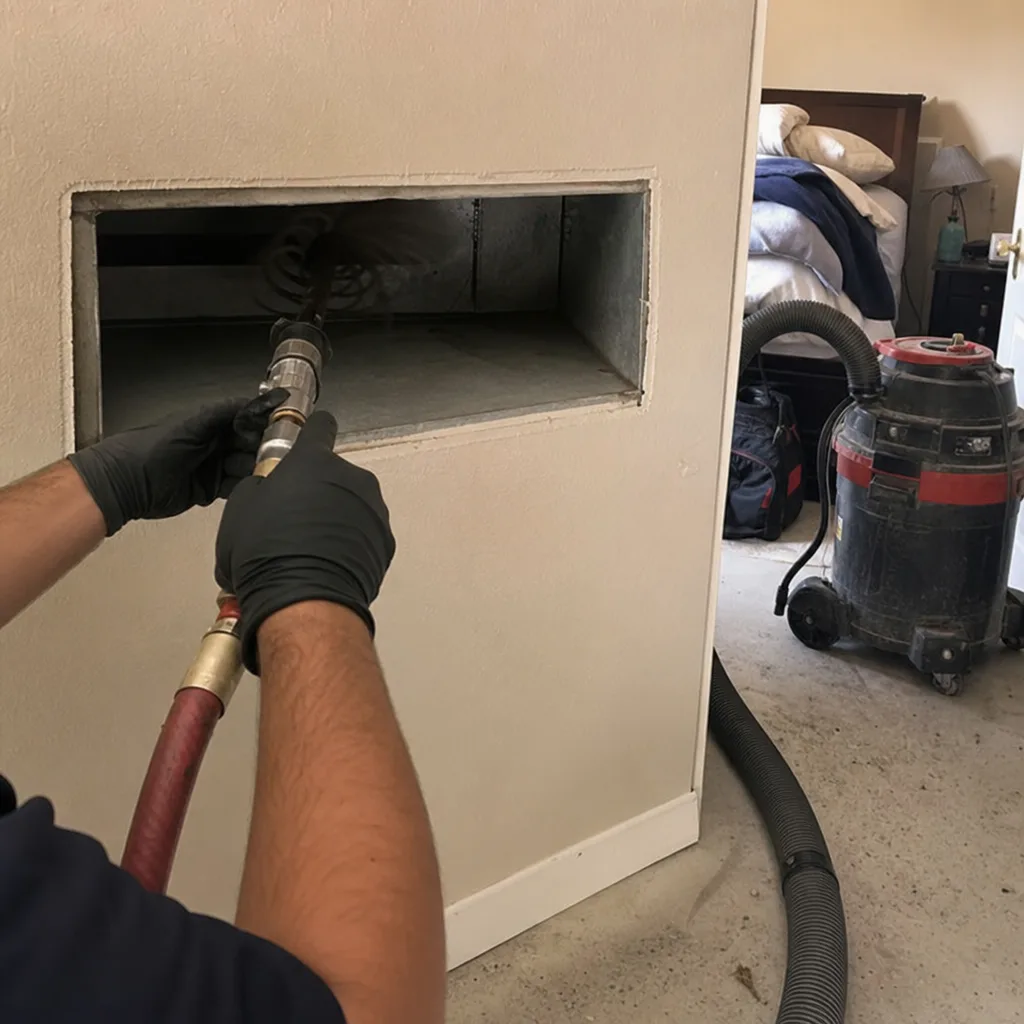
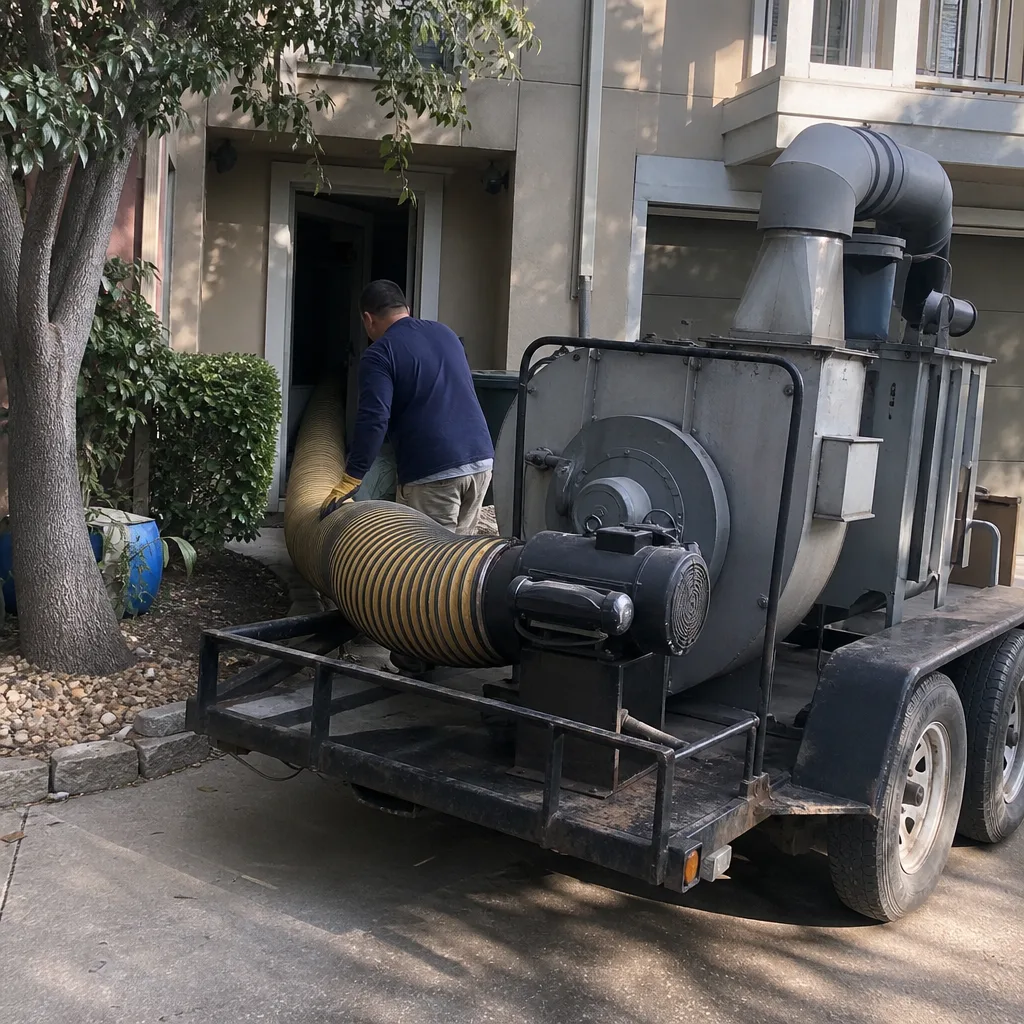
Factor 2: Equipment class. Negative-pressure extraction (a vacuum system that pulls debris through the entire duct run while agitation tools loosen it) requires professional-grade equipment. The brands we use - Rotobrush for rotary brush systems, Nikro for portable HEPA extraction - represent investments of $15,000 to $40,000 per truck. A shop vacuum with a long hose is not the same technology, and the price reflects that difference. Homeowners in Sugar Land’s gated communities often ask us to explain the equipment before we start. We show them. The Rotobrush system, for instance, uses a rotating cable with a brush head sized to the duct diameter, combined with simultaneous vacuum extraction. A shop vac simply sucks at the nearest opening.
Factor 3: Access difficulty. Some Sugar Land homes built in the 1980s and 1990s, particularly in areas like Sugar Creek, have ductwork with limited access panels. Creating proper access points takes time and must be sealed correctly afterward. Homes with ductwork in slab foundations (common in certain First Colony builds) require additional labor to reach and properly clean return lines.
Factor 4: What’s actually included. Does the quote cover the plenum? The coils in the HVAC cabinet? The dryer vent? In Sugar Land’s newer construction, particularly in Telfair and Riverstone, builders often locate dryer vents with long horizontal runs through attic space. These require separate attention and proper equipment. A quote that omits them is quoting a partial job.
The result: two homeowners in Sugar Land can receive quotes of $199 and $699 for what they both call “duct cleaning,” but the scope, equipment, and deliverables are entirely different. The first is a teaser. The second, properly structured, is a complete job with documentation.
Real 2026 Price Ranges by Home Size and Duct Count
These are the numbers we use when scoping jobs across Sugar Land. They assume standard 6-inch supply ducts, accessible plenum, and a typical one-story or two-story layout. Your home may vary, but these ranges let you estimate before anyone visits.
| Home Size | Supply Registers | Return Vents | 2026 Price Range |
|---|---|---|---|
| 1,200-1,500 sq ft | 6-8 | 1-2 | $350-$500 |
| 1,600-2,200 sq ft | 8-12 | 2 | $450-$650 |
| 2,300-3,000 sq ft | 12-16 | 2-3 | $550-$800 |
| 3,100-4,500 sq ft | 16-22 | 3-4 | $700-$1,100 |
These ranges include:
- Complete negative-pressure extraction of all supply and return duct runs
- Plenum cleaning and inspection
- Register and grille removal, cleaning, and reinstallation
- Access panel creation and proper resealing where needed
- Documented Photo Record of every duct run, before and after
- Written price agreed before work starts, per Haven Standard Clause 1
What moves a job toward the top of the range:
- Additional returns or complex plenum designs (common in custom builds in Sugar Land’s gated sections)
- Dryer vent cleaning included (adds $75-$150 depending on run length and termination point)
- HVAC cabinet and coil cleaning (adds $100-$200)
- Hard-to-access ductwork in attics with limited clearance or in slab construction
In Sugar Land’s market, we’ve noticed that homes built between 2015 and 2022 - the peak of local construction - often have more complex duct layouts with zoning systems. These require additional time to isolate and clean properly. The price reflects actual labor and equipment time, not an arbitrary markup.
What these ranges do not include: antimicrobial foggers, deodorizers, or “sanitizing” treatments applied without specific contamination documented. We’ll address those in the next section.
Legitimate Line Items vs. Add-Ons With No Documented Benefit
A proper Air Duct Cleaning in Sugar Land invoice reads like a work order, not a menu of optional upgrades. Here’s how to tell the difference.
Legitimate line items with measurable value:
- Equipment time and labor per duct run. This is the core of the job. A technician must spend adequate time at each register and in each duct section for negative-pressure extraction to remove accumulated debris. Rushing this step leaves material behind.
- Access point creation and sealing. Some systems lack sufficient access panels for thorough cleaning. Cutting and properly sealing access points is legitimate labor that protects system integrity.
- Plenum cleaning. The plenum - the large box directly attached to your HVAC unit that distributes air to the duct runs - accumulates the heaviest debris load. Cleaning it is essential, not optional.
- Register and grille removal and cleaning. Surface cleaning of visible grilles is not duct cleaning. Removing, cleaning, and properly reinstalling each register is standard scope.
- Dryer vent cleaning. A separate service with distinct equipment requirements, but often bundled with duct cleaning for homes where the dryer vent shares attic or wall space with HVAC ductwork. Dryer Vent Cleaning in Sugar Land addresses fire safety and drying efficiency directly.
- HVAC cabinet and evaporator coil cleaning. The coil sits downstream of the filter and upstream of the plenum. If it’s contaminated, cleaned ducts will immediately recontaminate. This is a legitimate add-on when the technician documents coil condition with photos.
Add-ons with no documented benefit in standard residential duct cleaning:
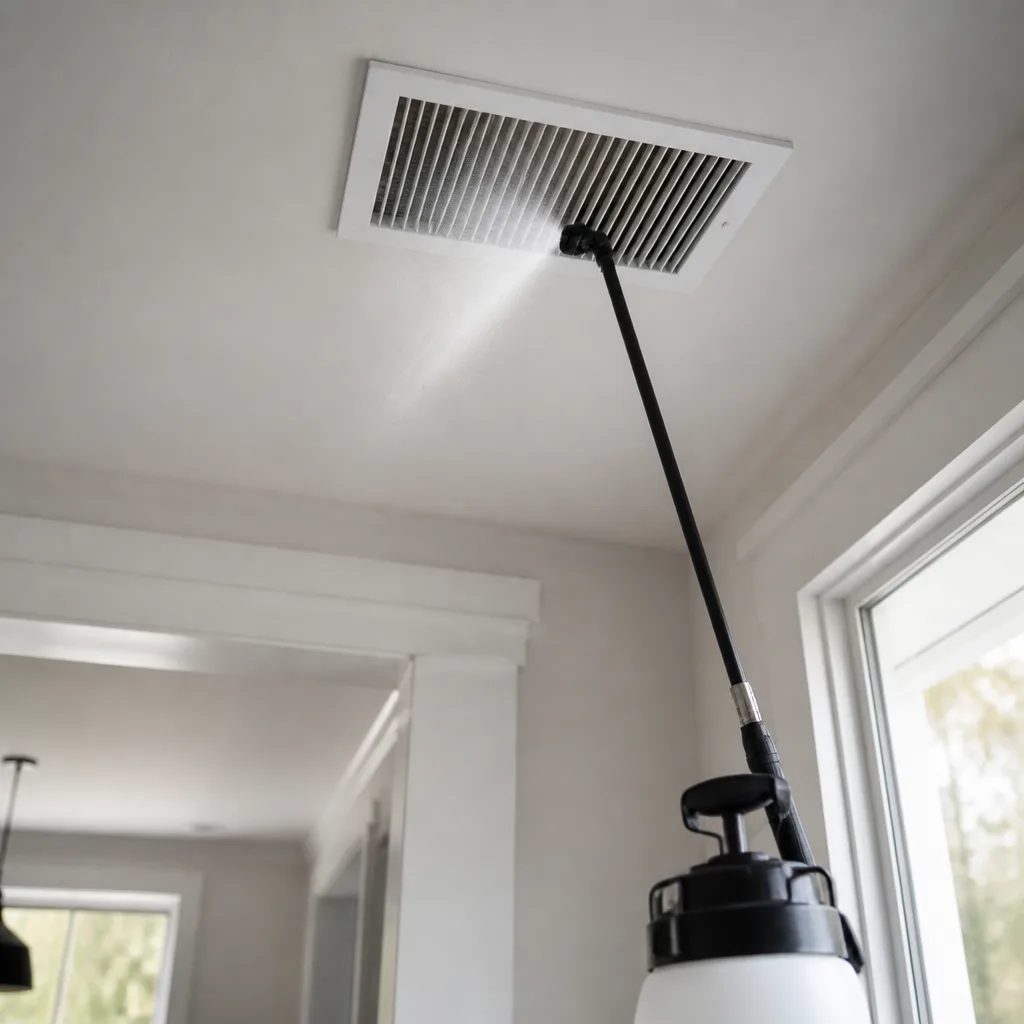
- Antimicrobial foggers. The EPA has not registered any antimicrobial products for use in residential ductwork in a way that demonstrates lasting efficacy. Fogging a system without removing the debris that microorganisms colonize is, in our assessment, theatrical. We do not offer this service.
- Deodorizers and scented treatments. These mask odors rather than remove their source. If your ducts smell, the source is contamination that should be extracted, not covered.
- “Deep cleaning” or “premium” tiers without defined scope differences. If the contractor cannot specify what additional duct footage, additional access points, or additional equipment time the premium tier includes, the tier is a pricing psychology tool, not a service difference.
- Filter “upgrades” sold at the time of cleaning. A quality filter (Honeywell, Aprilaire) is a legitimate product. Selling it under pressure during a cleaning visit, particularly with claims about the cleaning’s effectiveness depending on it, is not standard practice.
In Sugar Land’s humid subtropical climate, mold concern is real and valid. But the correct response to documented mold is remediation by a licensed mold contractor, not a fogger applied during routine cleaning. We have referred Sugar Land homeowners to certified mold remediators when our cameras showed growth that exceeded cosmetic surface contamination. Cleaning alone does not address active mold infestation.
How to Calculate the Per-Register Price a Contractor Is Hiding
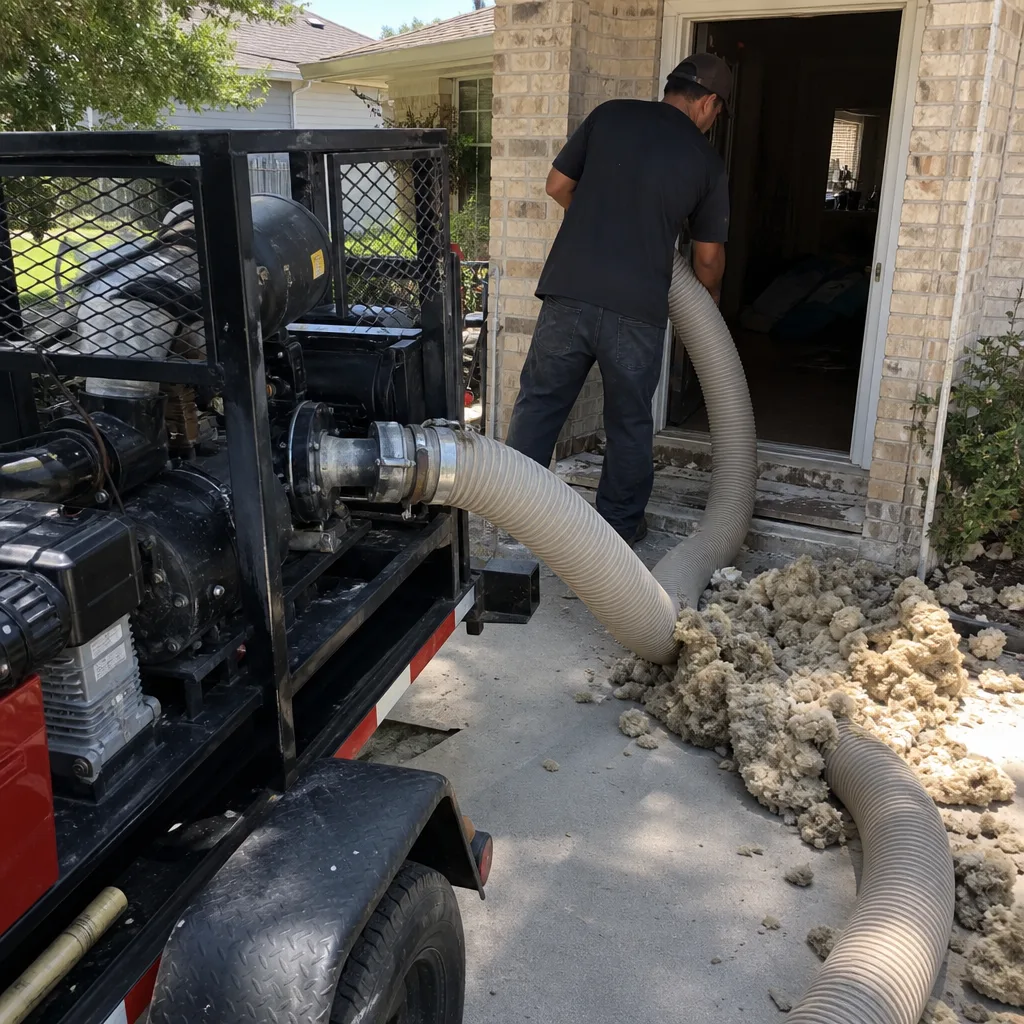
This is the number that reveals the business model. Every duct cleaning quote implies a per-register price, whether the contractor states it or not. Calculating it takes thirty seconds and tells you whether you’re looking at a legitimate scope or a teaser designed to expand.
Step 1: Count your actual registers. Walk your Sugar Land home and count every supply register (usually rectangular or round, in floors, walls, or ceilings) and every return (usually larger, often on walls or in hallways). Include the plenum as one additional unit of work.
Step 2: Ask for the all-in price for complete cleaning of every component. Not the “starting at” price. The price to clean your specific system, every run, before any work begins.
Step 3: Divide.
Here’s what the math shows in Sugar Land’s 2026 market:
| Quoted Price | Actual Registers in System | Implied Per-Register Price | What This Signals |
|---|---|---|---|
| $79 | 12 | $6.58 | Teaser. Impossible to perform legitimate work at this rate. Scope expansion guaranteed. |
| $199 | 12 | $16.58 | Partial scope or minimal equipment time. Likely excludes plenum and returns. |
| $450 | 12 | $37.50 | Legitimate base rate for standard equipment and labor time. |
| $650 | 12 | $54.17 | Full scope with documented photo record, proper equipment, and written guarantee. |
The $6.58 per-register price doesn’t cover fuel to the job site, technician wages, and equipment maintenance, let alone insurance, licensing, and documentation. It exists to get a foot in the door. The $37-$54 range covers actual professional operation with accountability.
When a contractor won’t give you the all-in number before arrival, you cannot perform this calculation. That’s intentional. CleanRun Air Duct Cleaning Sugar Land home operates under Haven Standard Clause 1: written price before any work starts, every time, with no exceptions. The per-register math is available to every homeowner who asks, before we load the truck.
Written Fixed-Price Quotes vs. Assessment-Based Pricing
This distinction protects more Sugar Land homeowners from overpayment than any other factor. Understanding it requires understanding what happens when the technician arrives.
Assessment-based pricing works like this: the technician arrives, inspects the system, and delivers a price. Sometimes this happens in the driveway before entering. More often, it happens after panels are removed and the “condition is worse than expected.” The homeowner is now in a high-pressure position. The technician is in the home. The system is partially disassembled. The psychological cost of stopping the process and starting over with another company is significant. Assessment-based pricing exploits this.
The assessment model is not inherently fraudulent. Some systems have genuinely unexpected conditions. But the assessment model becomes predatory when:
- The initial quote was deliberately low to secure the appointment
- The “assessment” finds conditions that were visible from the outset
- The revised price is delivered verbally, not in writing
- The homeowner is pressured to decide immediately
Written fixed-price quoting works differently. At CleanRun, we scope the system by phone or video consultation where possible, confirm register counts and system accessibility, and deliver a written price that does not change after arrival. If we encounter a genuinely unusual condition - a collapsed duct in a Sugar Land attic, for instance, or an animal infestation - we document it with photos, explain the additional scope, and require a separate written authorization before proceeding. Haven Standard Clause 1 exists precisely to eliminate the pressure dynamics of assessment-based pricing.
The protection is concrete: a written price, agreed before work starts, with scope defined by register count and system footage. Not “we’ll see when we get there.” Not “the technician will assess and advise.” A number, in writing, that you can compare to other written numbers.
Our Free Second Opinion on Any Written Estimate extends this further. Bring us a competitor’s written quote. We’ll put our number next to it, line item by line item, with no charge and no obligation. The comparison speaks for itself.
The Cost of Doing It Wrong: Why the Cheapest Quote Often Costs the Most
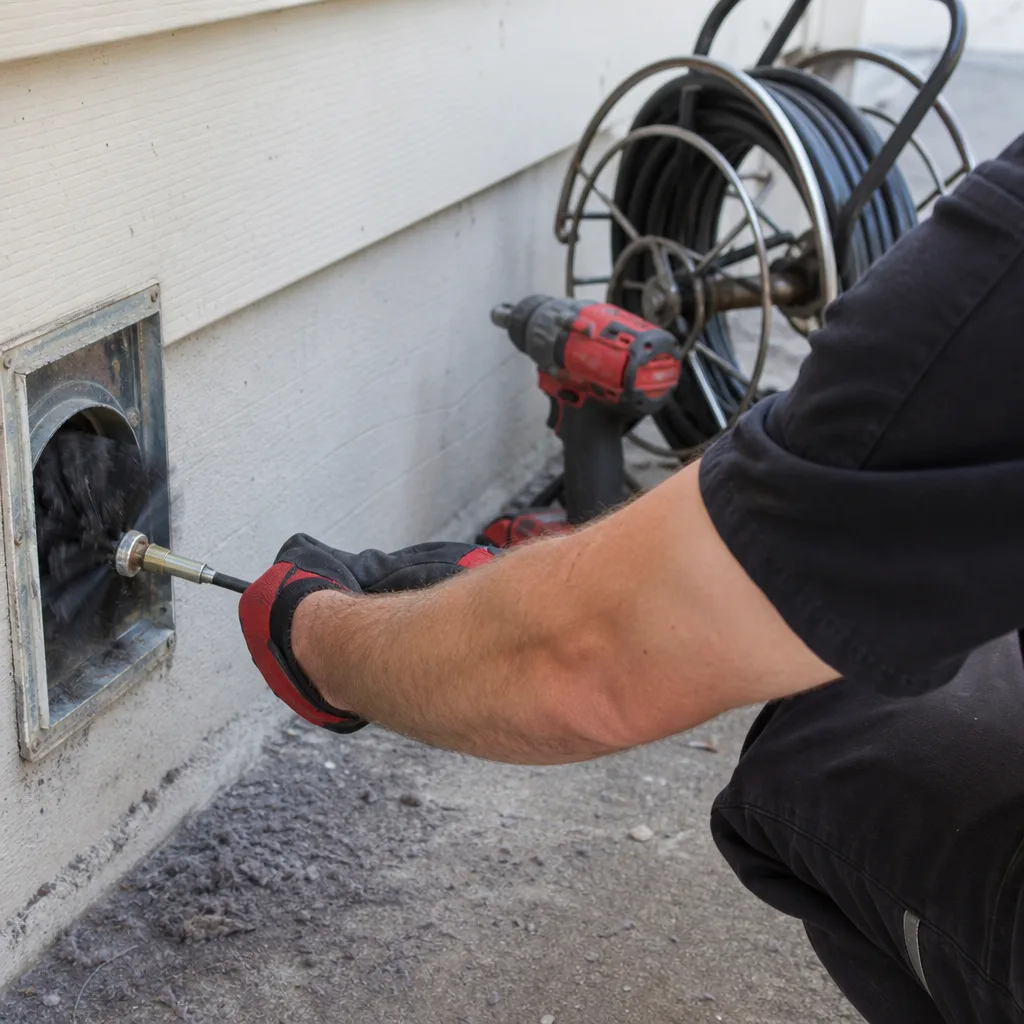
We’ve cleaned behind low-price competitors in Sugar Land homes for twelve years. The pattern is consistent enough to predict.
Scenario 1: The incomplete clean. A competitor quotes $199, spends 45 minutes in the home, and cleans only the most accessible supply registers. The returns, the plenum, and half the duct runs are untouched. Six months later, the homeowner notices dust patterns returning, or airflow imbalance between rooms. They call us for a second cleaning. The total spend: $199 plus $550 for proper completion. The “cheap” option cost $749.
Scenario 2: The damaged system. Inexperienced technicians using improper agitation tools have punctured flex duct in Sugar Land attics, dislodged connections at plenum joints, and left access panels unsealed. We’ve repaired ductwork after low-price cleanings where the “savings” were erased by repair costs and the energy bills from conditioned air leaking into attic space.
Scenario 3: The upsell spiral. The $79 coupon becomes $349 with “required” antimicrobial treatment, $489 with “recommended” coil cleaning, and $599 with the “complete package.” The homeowner who resists is left with a partial cleaning; the homeowner who accepts pays 750% of the advertised price for services of questionable value.
Scenario 4: The undocumented non-cleaning. No photos. No written scope. The homeowner has no evidence of what was or wasn’t done. When dust recurs, there’s no record to reference. The company has no accountability. This is the most common outcome of the lowest-price tier.
In Sugar Land’s competitive home services market, the cheapest initial quote is often a customer acquisition cost for a business model built on in-home upselling. The total cost of ownership - initial quote plus corrections, repairs, and re-cleaning - reliably favors the properly scoped, documented job from the start.
Our 365-Day Done Right Promise exists because we expect the work to last. If it’s not right, we make it right. Backed in writing on every job. Not a policy subject to manager approval. A written guarantee delivered with the photo record.
What Documentation Proves the Work Actually Happened
The ductwork in your Sugar Land home is largely invisible. You cannot verify cleaning by looking. Documentation is the only proof that separates legitimate work from vacuum noise.
At CleanRun, every job concludes with three deliverables:
- Documented Photo Record. The inside of every duct run, photographed before and after cleaning, delivered to the customer as part of the standard job record. We’ve held this practice since our first job in 2013. A photo of a clean duct interior is verifiable evidence. A verbal assurance is not. In Sugar Land’s market, where homeowners increasingly research before buying, this documentation is often the deciding factor in choosing a contractor.
- Written scope of work. What was cleaned, by register count and system section, with equipment used noted. This document accompanies the invoice and the photo record.
- Written warranty. The 365-Day Done Right Promise, specifying what “done right” means for this specific job and how to invoke the promise if needed.
Without these three items, you have purchased a service you cannot verify. The technician’s word, however sincerely given, is not documentation. Photos can be reviewed, compared, and referenced if issues arise. A written scope can be checked against what was quoted. A written warranty creates accountability.
When evaluating contractors in Sugar Land, ask specifically: “Will I receive photos of the inside of every duct run, before and after?” If the answer is no, or qualified, or requires an additional fee, the contractor is not documenting their work. That absence is information.
How Sugar Land’s Climate Affects What You’ll Pay
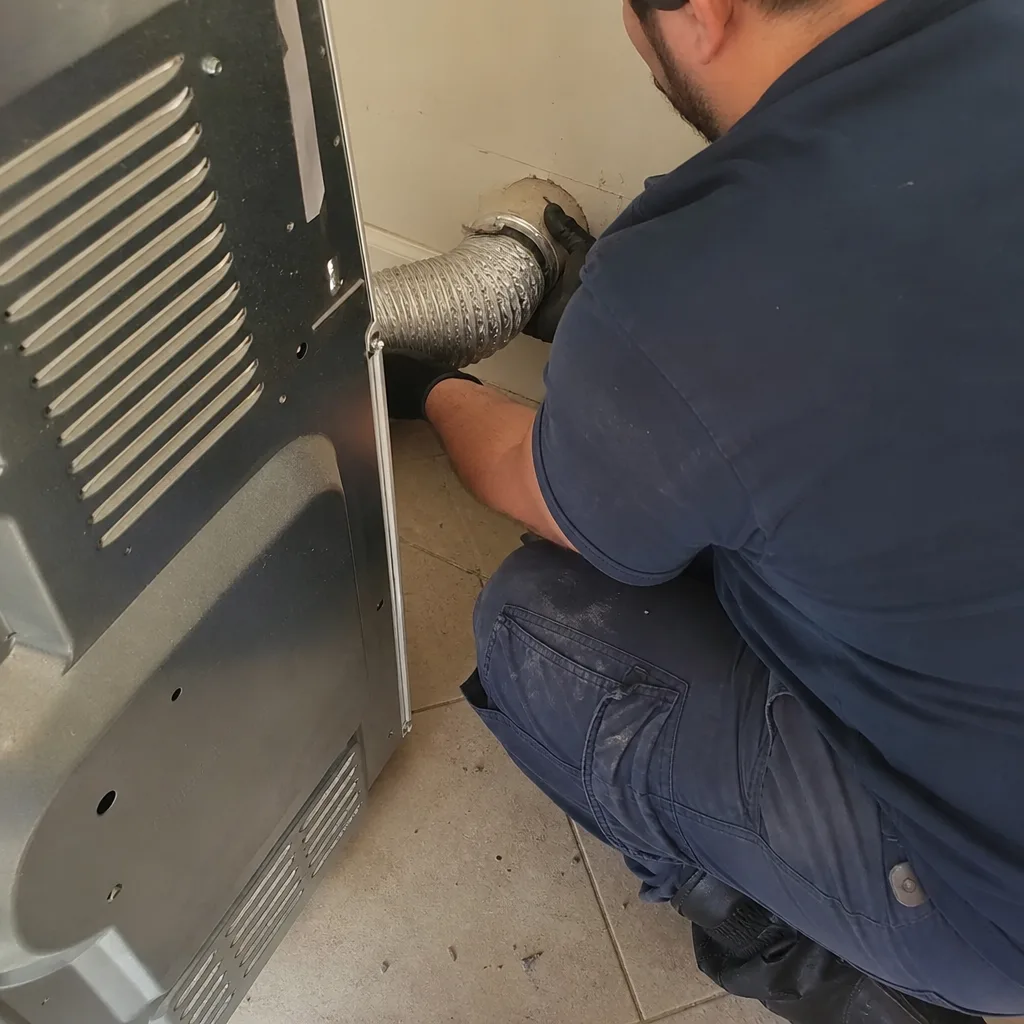
Sugar Land’s location in the humid subtropical zone of southeast Texas creates specific conditions that influence duct cleaning scope, frequency, and in some cases, price.
High humidity and condensation. From May through October, outdoor dew points in Sugar Land regularly exceed 70°F. Ductwork in unconditioned attic spaces - common in local construction - experiences temperature differentials that create condensation on duct exteriors. This moisture can migrate to interior surfaces where dust has accumulated, creating adhered deposits that require more aggressive agitation and longer extraction time. A system that might clean in 20 minutes per run in a dry climate may need 30-35 minutes in Sugar Land’s peak humidity season.
Pollen load. Sugar Land’s tree canopy - live oaks, water oaks, pine - produces heavy spring pollen that infiltrates homes through windows, doors, and fresh air intakes. This pollen accumulates in ductwork and, combined with humidity, can form compacted layers. We’ve photographed 2-3 inch debris build-ups at first elbows in Sugar Land homes, particularly in neighborhoods with mature tree cover like those near Oyster Creek and the Brazos River corridor.
Hurricane season and water intrusion. Tropical systems and the flooding events that accompany them can introduce water into duct systems through compromised seals or, in severe cases, actual inundation. Post-storm duct cleaning requires assessment for water damage, not just debris removal. In 2017 and again in 2019, we performed specialized cleanings and repairs in Sugar Land homes affected by Harvey and Imelda flooding. These jobs required documented moisture assessment before cleaning could proceed safely.
Cooling-dominant HVAC operation. Sugar Land homes run air conditioning eight to ten months annually. The constant airflow keeps debris circulating rather than settling, which can mean more uniform distribution throughout the system - more duct runs affected, rather than isolated accumulation near the plenum. This generally increases total system footage requiring attention.
These factors don’t change the fundamental pricing structure, but they explain why a Sugar Land duct cleaning may take longer and cost more than the same square footage in a drier, cooler climate. They also explain why documentation matters: humidity-related conditions should be visible in the before photos, and their resolution visible in the after photos.
Common Mistakes to Avoid
- Accepting a phone quote without register count verification. A price given without knowing your system is a guess at best, a teaser at worst. Count your registers before calling any contractor.
- Confusing register cleaning with duct cleaning. Wiping visible grilles is surface work. It does not address the duct runs behind them. If a quote seems low, ask specifically what duct footage is included.
- Scheduling during Sugar Land’s peak pollen season without addressing the source. Cleaning ducts in March without improving filtration or sealing infiltration points means rapid recontamination. The best contractors advise on source control, not just cleaning.
- Paying for antimicrobial treatment without documented mold. In Sugar Land’s humidity, mold concern is valid. But treatment without laboratory or visual confirmation is speculative. Demand evidence before paying for remediation-grade services.
- Choosing by price alone without comparing documentation deliverables. Two quotes at $500 may differ radically: one includes photos, written scope, and warranty; the other includes a verbal assurance and a handshake. The deliverables are the product.
- Ignoring the dryer vent. In Sugar Land’s newer homes with long attic vent runs, dryer lint accumulation is a genuine fire hazard. Bundling Dryer Vent Cleaning in Sugar Land with duct cleaning is often more economical than separate visits, and the safety benefit is substantial.
- Failing to verify equipment brands. Professional-grade equipment from Rotobrush, Nikro, Abatement Technologies, Honeywell, Aprilaire, and Guardsman can be independently researched. A contractor using unbranded or consumer-grade equipment is not performing the same service.
When to Call a Professional
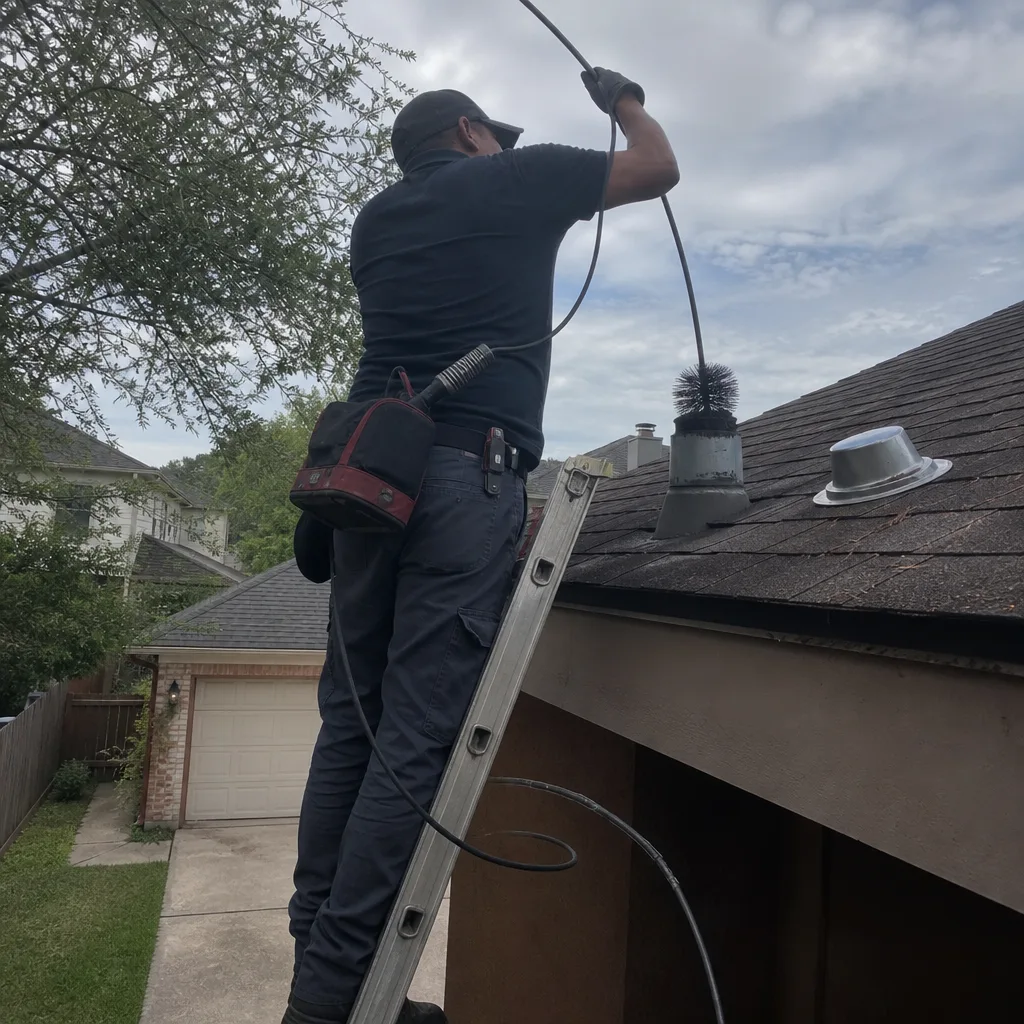
Call when you can see dust debris at registers, when airflow is visibly uneven between rooms, when your HVAC filter loads faster than manufacturer specifications suggest, or when you’ve completed renovation work that generated construction dust. For additional guidance, see our more guides & resources. In Sugar Land’s climate, also call if you smell mustiness when the system cycles, particularly in spring and fall when humidity transitions stress the system.
CleanRun Air Duct Cleaning Sugar Land offers free estimates in Sugar Land. We’ll scope your system by phone or video, count your registers with you, and deliver a written price before any work starts. Call (346) 421-3357. Every estimate includes explanation of what we’ll document, how we’ll document it, and what the 365-Day Done Right Promise covers for your specific home.
Frequently Asked Questions
For a typical 2,000 square foot home with 10 supply registers and 2 returns, professional duct cleaning in Sugar Land costs between $450 and $750 in 2026. Larger homes or those with complex duct layouts, zoning systems, or hard-to-access attic runs fall toward the higher end. The price includes complete negative-pressure extraction of all duct runs, plenum cleaning, register removal and cleaning, and a Documented Photo Record of every component before and after. Call (346) 421-3357 for a written estimate scoped to your specific home.
The cheapest quotes typically use a teaser price that covers minimal scope - often six or fewer registers - then expand the invoice after arrival with per-register add-ons, “required” treatments, and upsells. A $79 coupon for a 12-register system implies a per-register price of $6.58, which cannot cover professional equipment, trained labor, insurance, and documentation. The legitimate price for complete work with accountability is narrower than the market makes it appear. Ask for the all-in price for your specific register count before anyone visits.
Demand a Documented Photo Record showing the interior of every duct run before and after cleaning. Without photos, you have purchased an invisible service with no verification method. At CleanRun, we deliver these photos as a standard job record, a practice we’ve held since 2013. Written scope and written warranty accompany the photos. If a contractor cannot or will not provide this documentation, the work cannot be proven.
For most Sugar Land homes, every three to five years under normal occupancy and with standard 1-inch pleated filters changed quarterly. Homes with pets that shed heavily, residents with respiratory sensitivities, or recent renovation work may need more frequent service. The specific interval depends on filter quality, home airtightness, and local pollen load - Sugar Land’s heavy tree pollen and extended cooling season both accelerate accumulation. We assess these factors during our free estimate and recommend an interval specific to your home, not a generic schedule.
A proper job includes all supply registers, all returns, the plenum, and the total duct footage connecting them, with negative-pressure extraction using professional-grade equipment. Legitimate add-ons include dryer vent cleaning, HVAC cabinet and coil cleaning when separately scoped, and access point creation for systems lacking proper panels. Extras with no documented benefit include antimicrobial foggers, deodorizers, and “premium” tiers without defined scope differences. We explain each line item before quoting, per Haven Standard Clause 1.
No. Residential duct systems require negative-pressure extraction equipment that connects to the ductwork and pulls debris through the entire run while agitation tools loosen it. A household vacuum or shop vac cannot generate sufficient airflow or reach past the first few feet. More critically, ductwork in attics and wall cavities may contain fiberglass insulation, rodent debris, or electrical components that require proper handling. The equipment investment - Rotobrush and Nikro systems run $15,000 to $40,000 - reflects the capability difference. Professional cleaning also includes proper resealing of access points; unsealed ducts leak conditioned air and increase energy costs.
No. Mold treatment is indicated only when visible mold growth is documented during inspection. Sugar Land’s humidity does increase mold risk, but routine duct cleaning removes the debris that supports microbial growth, which is preventive. If our cameras show growth exceeding surface contamination, we refer to licensed mold remediators rather than applying unproven treatments. Fogging a clean system is unnecessary expense with no demonstrated benefit.
The Bottom Line
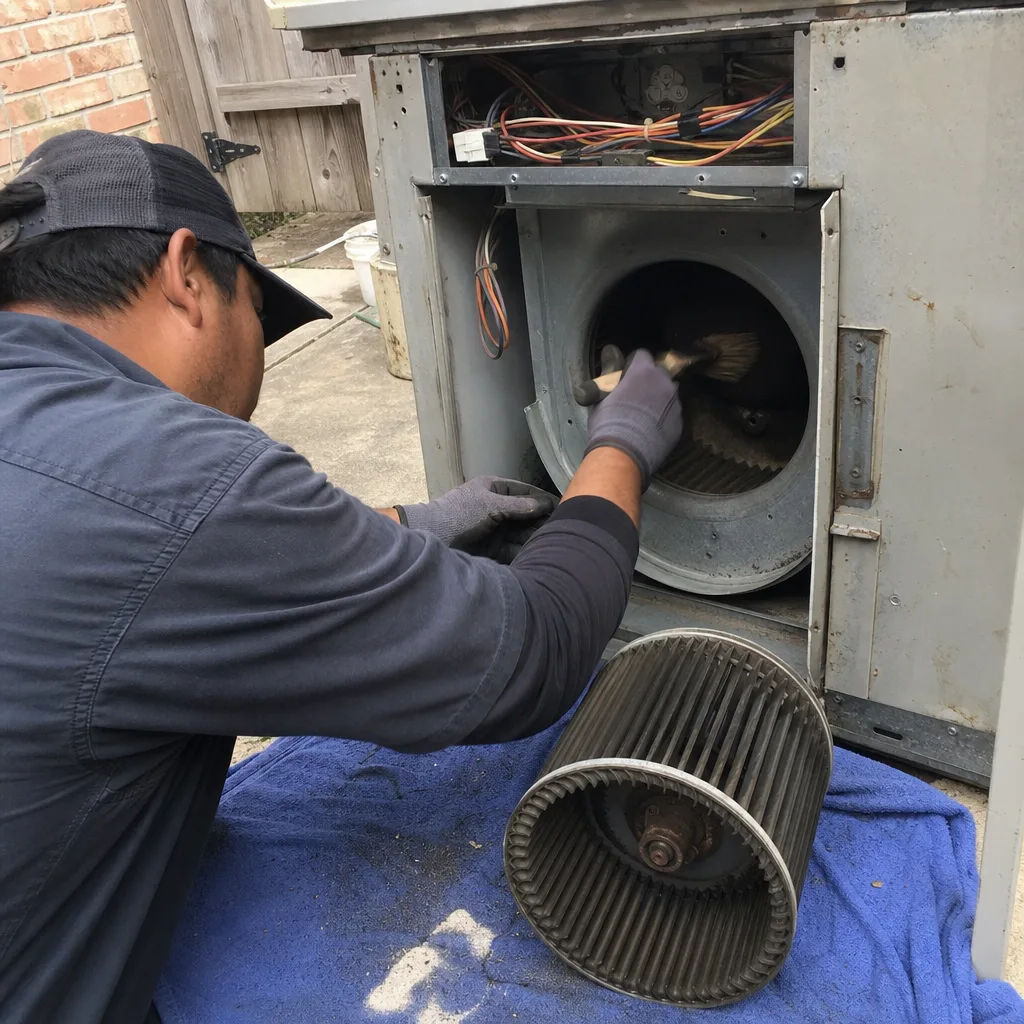
The actual price range for legitimate duct cleaning in Sugar Land is narrower than the market presents. Strip out coupon bait-and-switch models, scope the job by register count and system footage, and you can calculate a reasonable number before anyone knocks: roughly $35-$55 per register for complete work with documentation, or $450-$750 for a typical 2,000 square foot home. The cheapest quote frequently costs the most when you account for incomplete work, upsell pressure, and the second cleaning required to fix the first. Written price before work starts, Documented Photo Record when the crew leaves, and a written guarantee that outlasts the truck in your driveway - these are the deliverables that separate professional work from vacuum noise.
Written by Tomas Reyes, Owner at CleanRun Air Duct Cleaning Sugar Land, serving Sugar Land since 2013.