
Last updated September 23, 2026
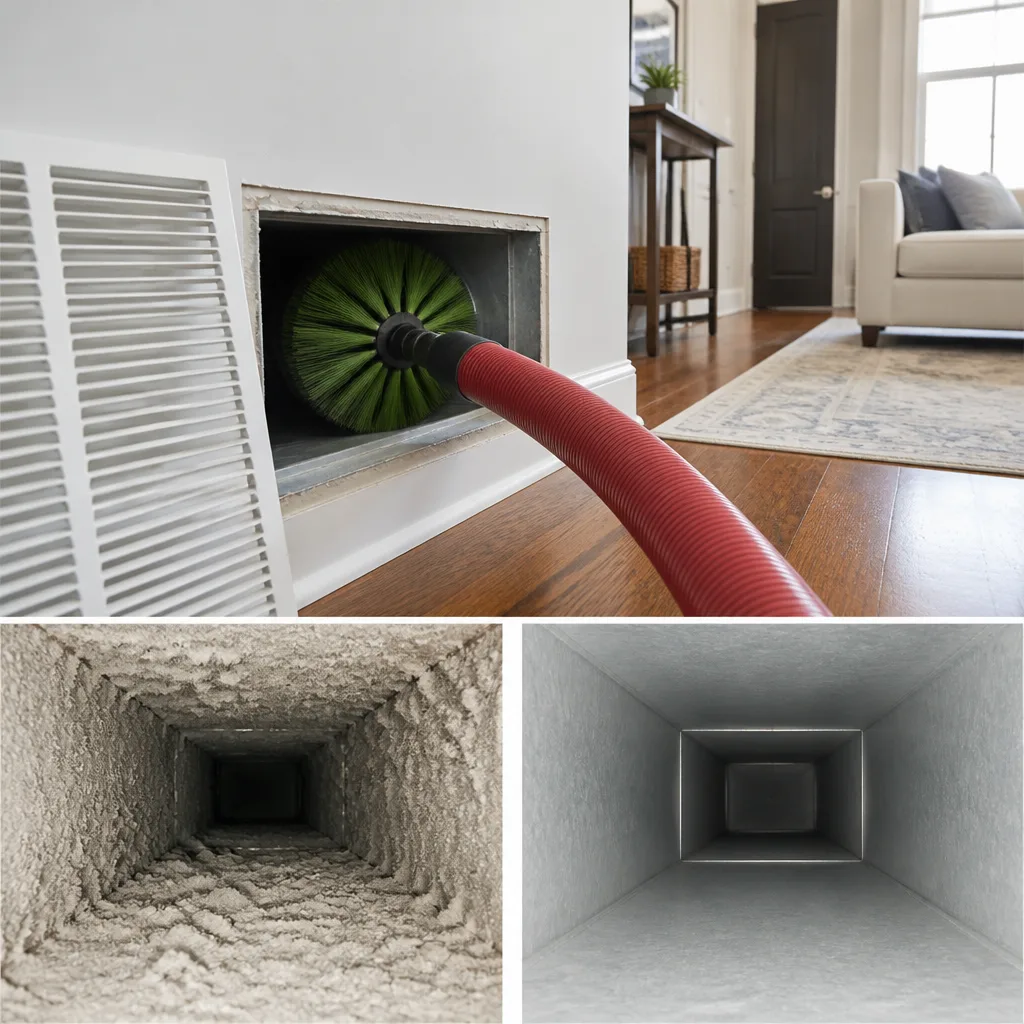
Whole-system duct and dryer vent check with before-and-after photos - you see exactly what came out of your vents
That "$99 whole-house special" is a bait ad - the real number appears once they are in your hallway, or the "clean" is a shop-vac at the register. We photograph the inside of your ducts before and after instead.
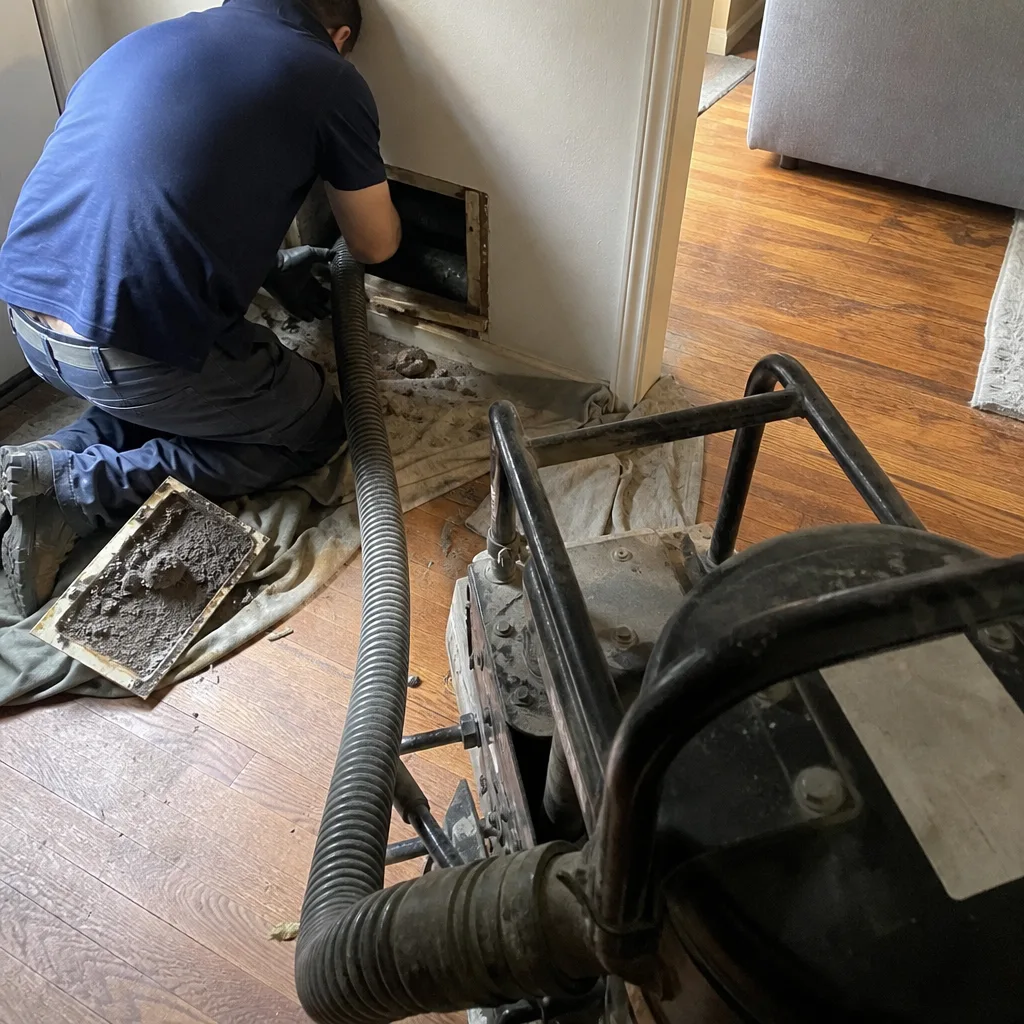 Before
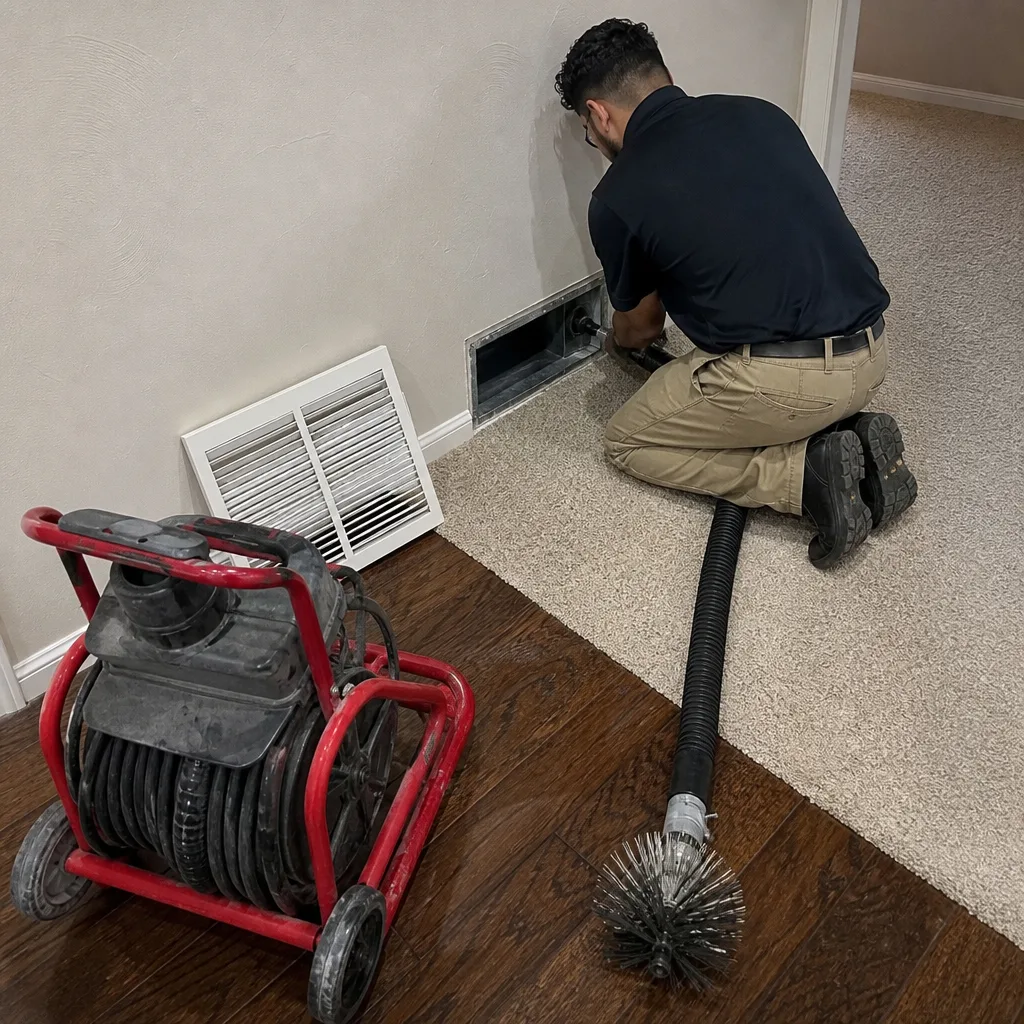 After
After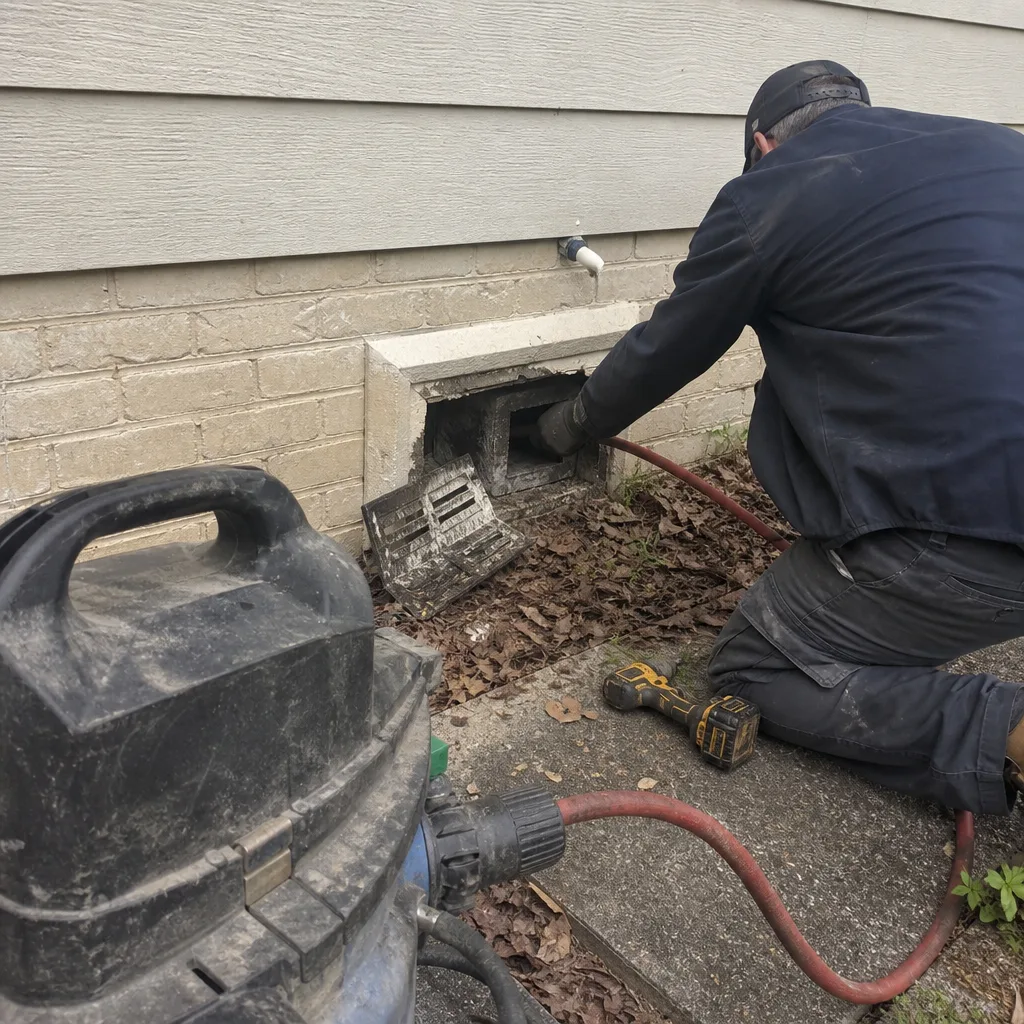 Before
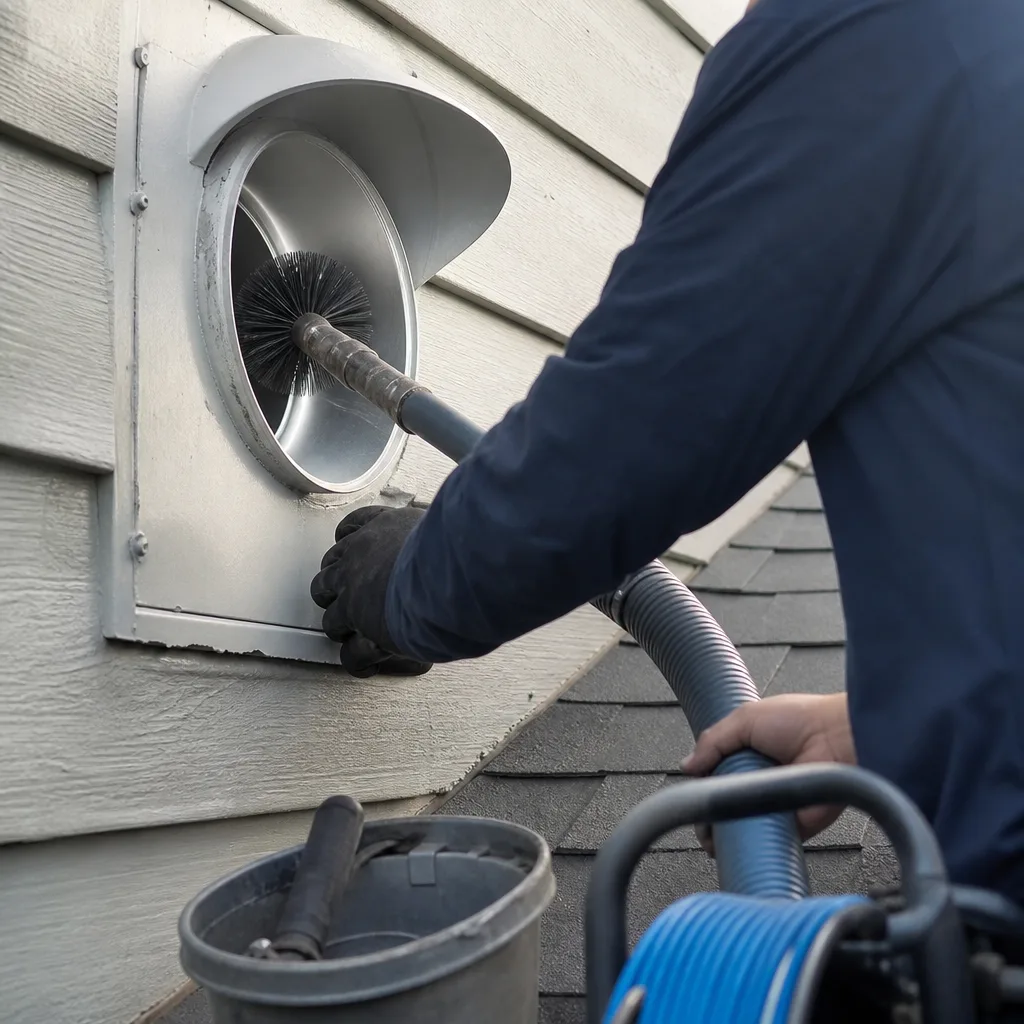 After
After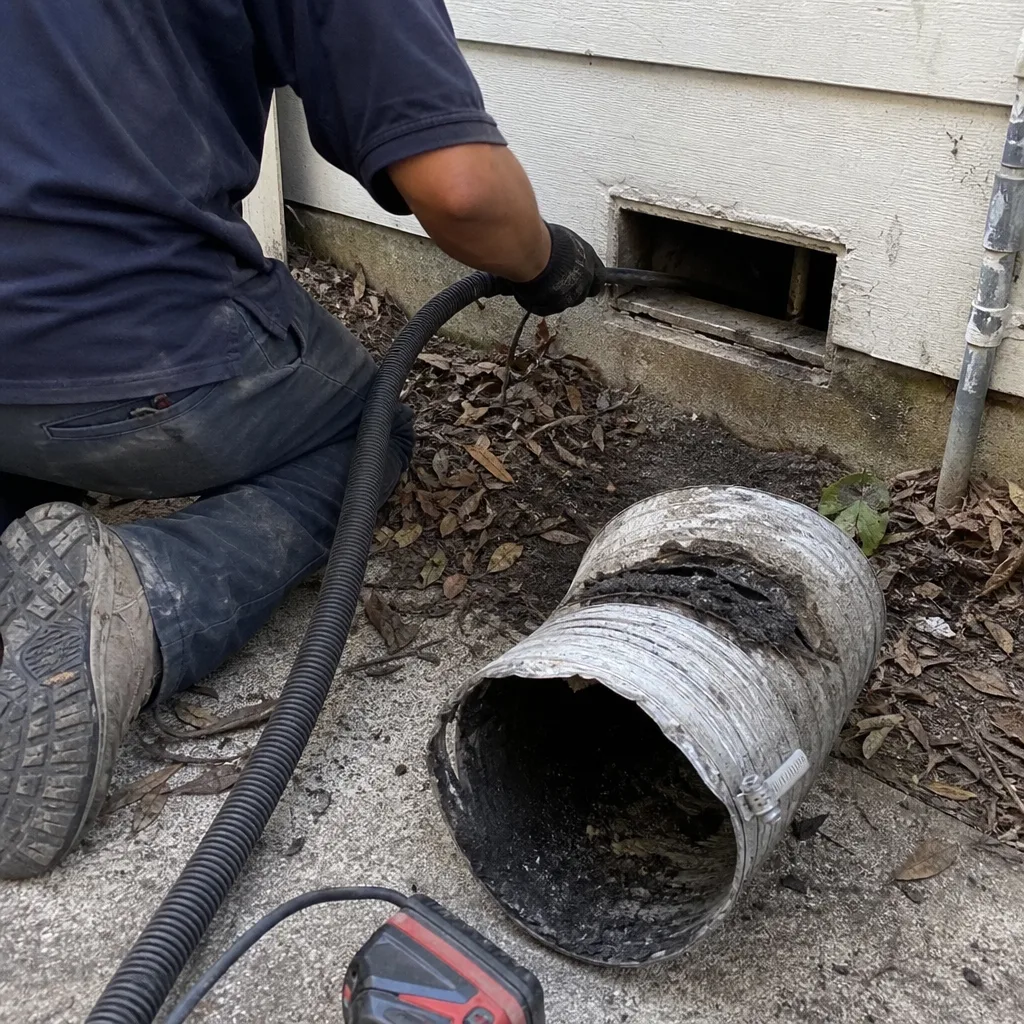 Before
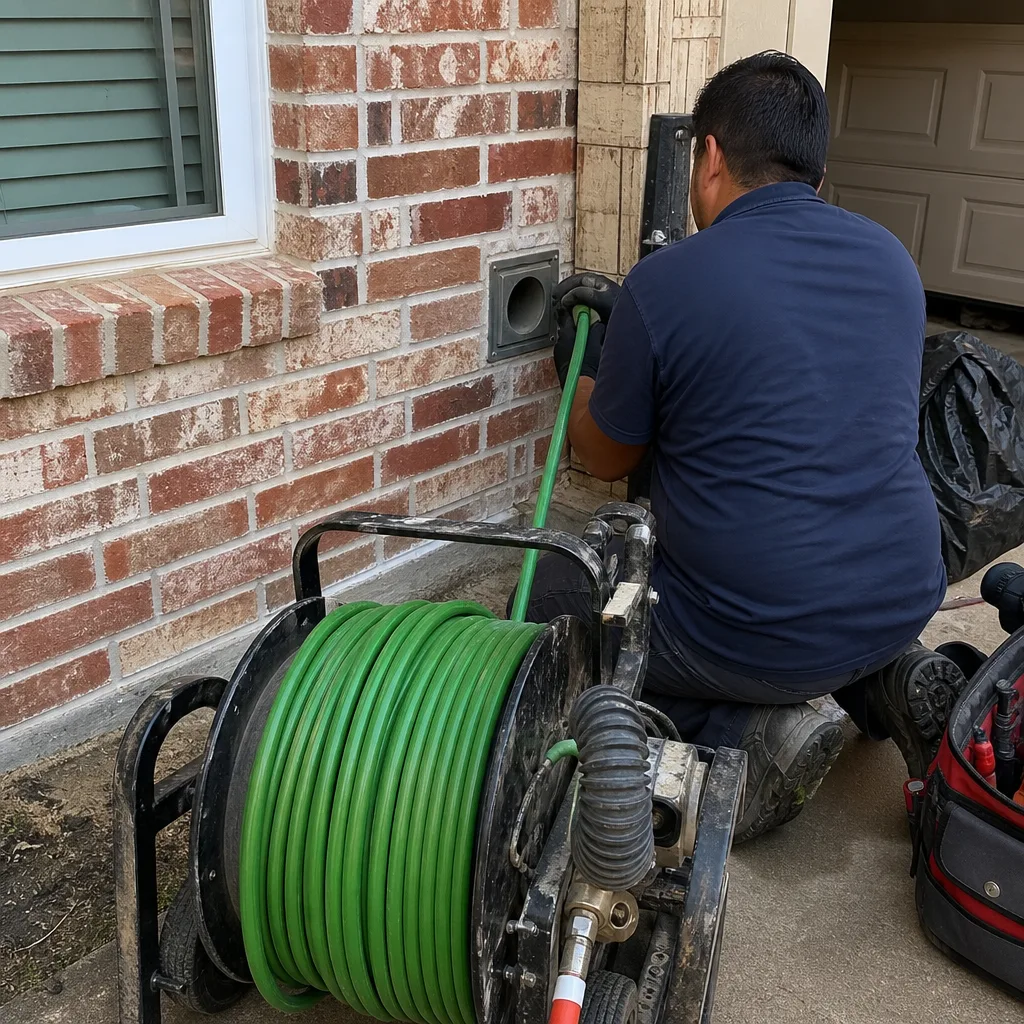 After
AfterDIY vs Professional Air Duct Cleaning: The Sugar Land Homeowner’s Decision Guide
A homeowner in Sugar Land’s Telfair neighborhood once showed us a particle-counter reading taken twenty minutes after he finished a $149 drill-brush kit job. The PM2.5 count in his living room had tripled. What he’d done was move debris from the first three feet of each duct run into the airstream, where the HVAC fan redistributed it through every room. That’s not cleaning. It’s measurable redistribution, and it happens because consumer-grade equipment cannot generate the negative air pressure required for source removal. This guide explains exactly where the capability line falls, what homeowners can legitimately accomplish themselves, and how to tell whether a professional quote is for real work or shop-vac theater. For How to Hire a Air Duct Cleaning Contractor in Sugar Land: A Step-by-Step Guide, see our detailed walkthrough.
Quick Answer
Air Duct Cleaning in Sugar Land is appropriate for DIY maintenance like registers, grilles, and filter changes, but source-removal cleaning of the full duct system requires professional negative-pressure equipment (4,000-6,000 CFM) that consumer shop-vacs (60-150 CFM) cannot replicate. For whole-system cleaning, especially after renovation or where biological growth is suspected, professional service with documented before/after photos and a written workmanship warranty is the only approach that removes rather than redistributes debris.
Table of Contents
- What Homeowners Can Actually Do Themselves
- The Equipment Physics: Where DIY Hits a Hard Limit
- How Sugar Land’s Climate Affects What’s in Your Ducts
- When DIY Is the Wrong Answer
- How to Spot a Fake Professional Quote
- The True Cost Comparison: DIY vs Documented Professional Work
- Common Mistakes to Avoid
- When to Call a Professional
- Frequently Asked Questions
BeforeAfterWhat Homeowners Can Actually Do Themselves
There are four duct-related tasks where consumer tools match or exceed the capability needed. We encourage homeowners to handle these regularly. They improve airflow, reduce particulate load, and provide early warning of problems that need professional attention.
- Register and grille cleaning. Remove floor and wall registers, soak in warm water with mild detergent, scrub with a soft brush, dry completely, and reinstall. This removes the dust mat that forms at every supply outlet, which is a significant source of room-air particulate.
- Filter replacement on schedule. In Sugar Land, where cooling runs eight to nine months annually, a 1-inch pleated filter should be replaced every 60-90 days. A 4-inch media filter typically lasts 6-12 months. Write the install date on the filter frame. This single task has more impact on indoor particle count than any consumer-accessible duct intervention.
- Return air grille vacuuming. Use a brush attachment on a standard vacuum to clean the return grille face and the visible portion of the return plenum (the sheet-metal box behind the grille). This is the highest-dust-concentration area in most residential systems, and it’s accessible without tools.
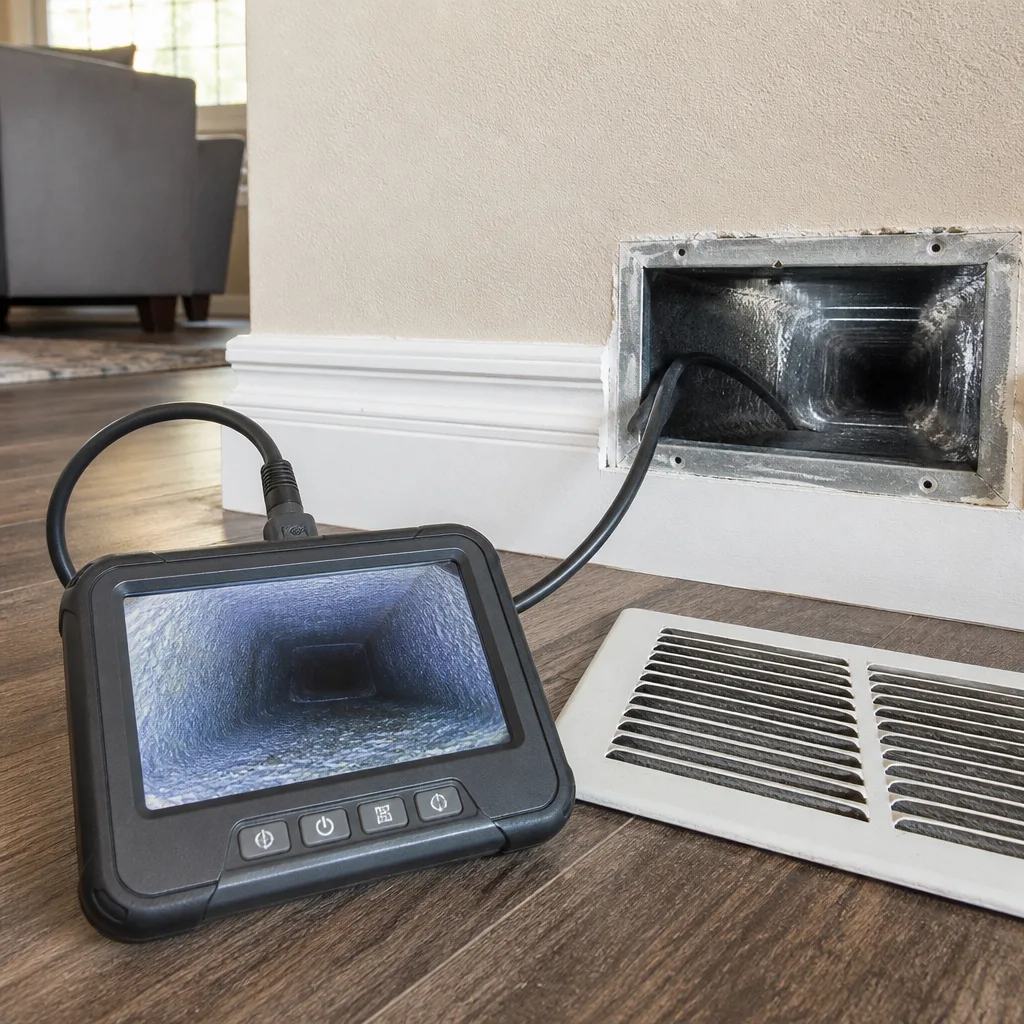
- Visual inspection with a phone camera. Remove a supply register, set your phone to video with the flash on, and slowly feed it into the duct. You’re looking for: standing debris more than 1/4 inch deep, rodent droppings, moisture staining, or fuzzy growth. Document what you see with timestamps. This inspection has real value for insurance claims, resale documentation, and deciding whether professional service is warranted.
These four tasks are genuine maintenance. They require no special training, carry no safety risk, and produce measurable improvement in register airflow and visible cleanliness. What they do not do is clean the interior surfaces of extended duct runs, the main trunk lines, or the plenum connections that comprise the majority of system surface area.
We’ve documented this distinction on thousands of Air Duct Cleaning in Sugar Land jobs. The debris that remains after register cleaning is typically 80-90% of total system loading, and it’s adhered to sheet metal with a combination of humidity, static charge, and biological film that brushing and consumer vacuuming cannot dislodge.
The Equipment Physics: Where DIY Hits a Hard Limit
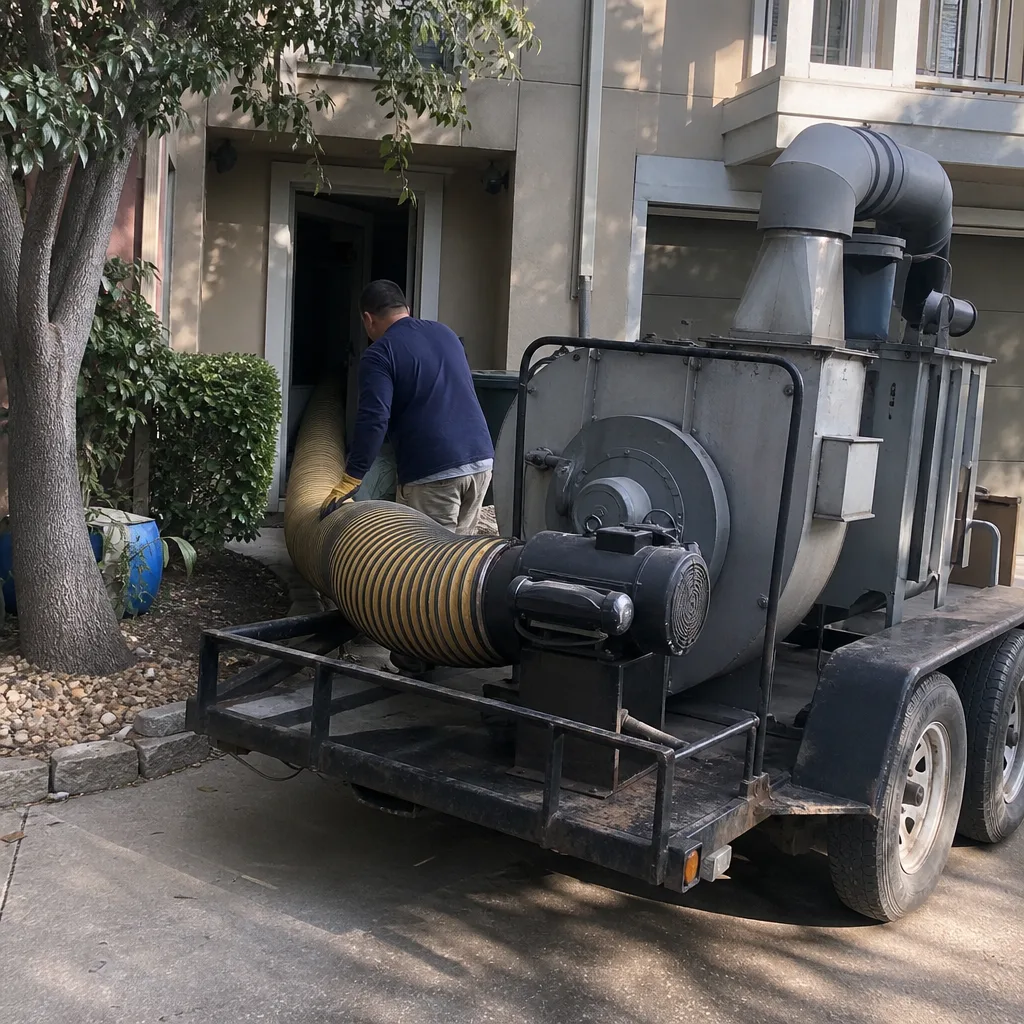
The defining specification in duct cleaning is airflow volume, measured in cubic feet per minute (CFM). Source-removal cleaning, the method recognized by the National Air Duct Cleaners Association (NADCA), requires sufficient negative pressure to capture dislodged debris at the point of agitation and prevent it from entering the occupied space.
Here’s the actual equipment landscape:
| Equipment Type | Typical CFM | Application |
|---|---|---|
| Consumer shop-vac | 60-150 CFM | Workshop cleanup, minor spills |
| Drill-brush duct kit + shop-vac | 60-150 CFM (vacuum side) | Register vicinity only; no trunk-line capability |
| Portable HEPA extraction unit (professional) | 2,000-3,500 CFM | Residential source-removal, limited commercial |
| Truck-mounted negative air machine | 4,000-6,000+ CFM | Full residential and commercial source-removal |
The physics are straightforward. A 6-inch round duct run at typical residential velocity moves 400-600 CFM when the system is operating. To capture debris dislodged by mechanical agitation inside that duct, the extraction device must draw more air than the duct can supply from leaks and ambient pressure. A shop-vac at 100 CFM creates negative pressure at its hose inlet, but the volume is insufficient to prevent debris from escaping into the airstream. The result is exactly what the Telfair homeowner measured: particles suspended in air, then redeposited.
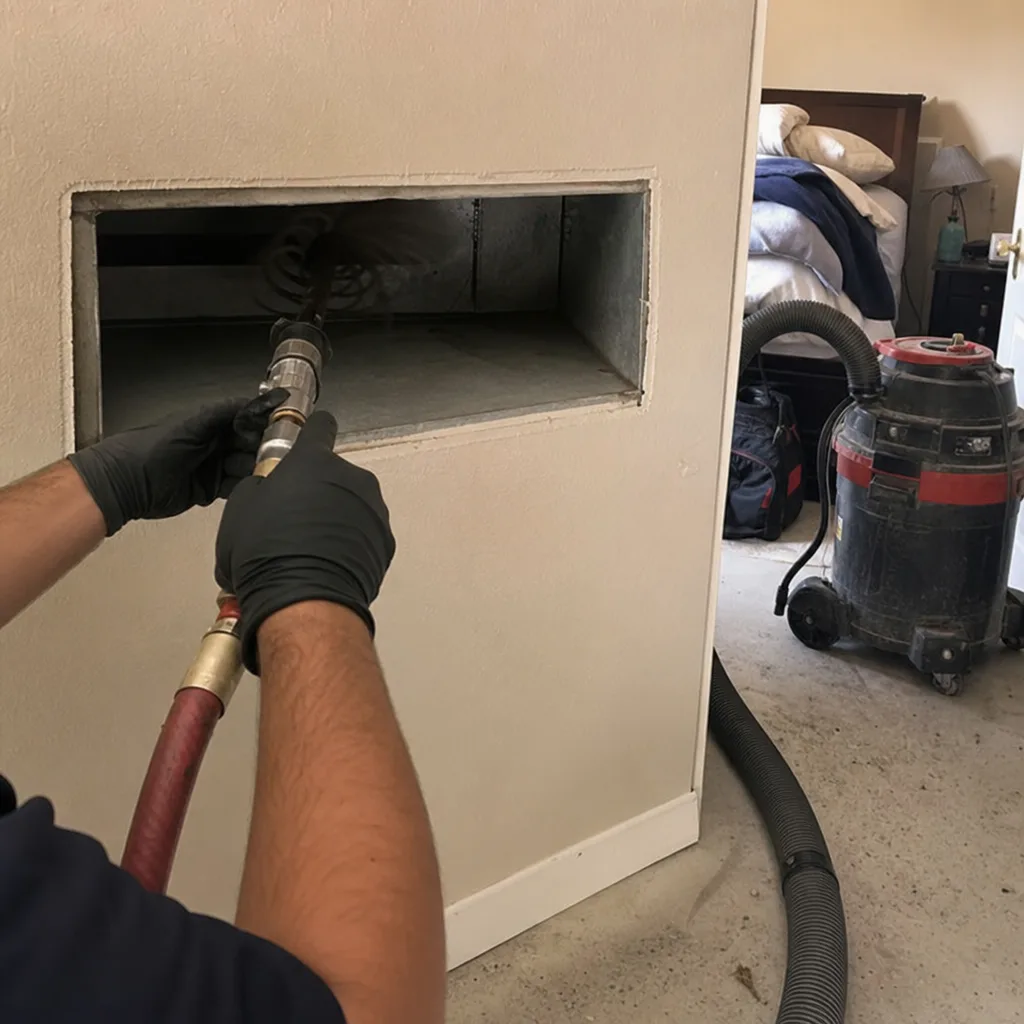
Professional equipment from manufacturers like Nikro and Abatement Technologies achieves source removal through a different mechanism. A portable HEPA unit at 2,500 CFM, connected to a sealed access port in the main trunk line, creates negative pressure throughout the entire system. Agitation tools, mechanical or pneumatic, dislodge debris; the pressure differential carries it directly to the collection chamber. No redistribution. No post-cleaning particle spike.
We’ve used this equipment since 2013, and the photo records from every job show the difference. After source-removal cleaning with negative-pressure extraction, the interior of a duct run shows bare galvanized steel or fiberglass liner. After drill-brush DIY, the first three feet may look cleaner, but the remainder is unchanged, and the system has been loaded with suspended particulate.
How Sugar Land’s Climate Affects What’s in Your Ducts
Sugar Land’s location on the Gulf Coastal Plain creates specific conditions that influence duct contamination and cleaning requirements. Understanding these conditions helps homeowners decide whether their situation warrants professional service.
High humidity, eight months annually. Average relative humidity in Sugar Land exceeds 70% from April through November. In duct systems, sustained humidity above 60% supports microbial growth on dust deposits. The result is a biofilm that binds debris to duct surfaces more tightly than in arid climates. Mechanical agitation without simultaneous extraction risks releasing spores and fragments into the airstream. This is why NADCA standards require negative-pressure containment for any cleaning where biological contamination is suspected.
Year-round allergen load. The subtropical growing season means pollen, mold spores, and vegetative debris enter outdoor air intake systems continuously. In neighborhoods like Riverstone and Sweetwater, where lot sizes are larger and landscaping extensive, we’ve found higher concentrations of organic debris in return plenums compared to denser developments. This material decomposes in humid duct conditions, producing the musty odor that prompts many service calls.
Hurricane and flood history. Sugar Land experienced significant flooding during Hurricane Harvey in 2017, and many homes in the First Colony and New Territory areas required duct replacement or intensive cleaning afterward. Even without direct water intrusion, extended power outages allow humidity to spike in sealed attics, accelerating duct liner degradation. Homes built 2015-2020 in these areas may have residual contamination from that event, or from subsequent remediation work that disturbed asbestos or lead-containing materials.
Cooling-dominant HVAC operation. Sugar Land systems run in cooling mode far more than heating. The evaporator coil operates below dew point, producing condensate that maintains wet conditions in the downstream plenum. Dust that settles on these wet surfaces adheres tenaciously. Consumer brushing without extraction smears this material rather than removing it.
These climate factors don’t make DIY maintenance pointless. They define its limits. Filter changes and register cleaning are more important here than in drier climates, precisely because the humidity amplifies consequences of neglect. But they also mean that whole-system cleaning, when needed, requires equipment capable of handling adhered biofilms and high organic loading without redistribution.
When DIY Is the Wrong Answer
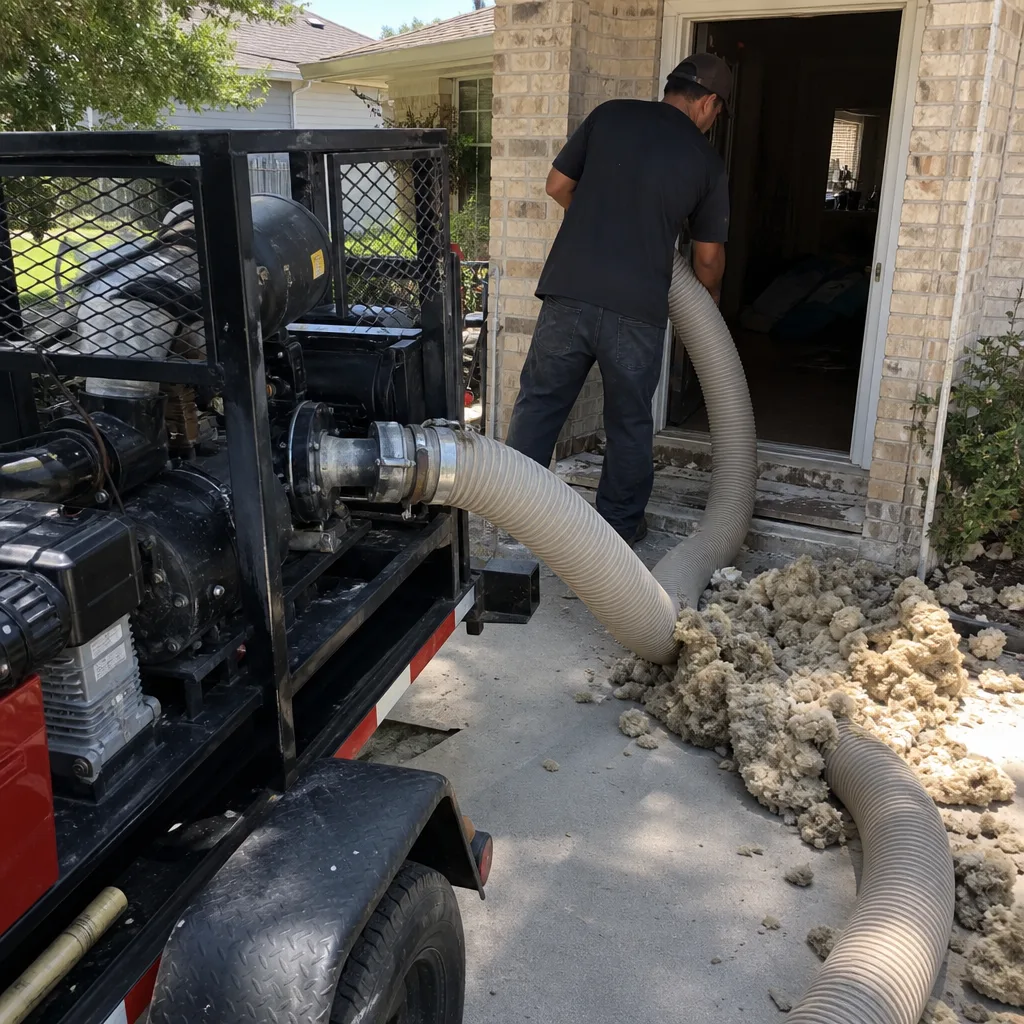
There are four scenarios where consumer duct cleaning is not merely insufficient but potentially counterproductive. We’ve encountered each repeatedly in Sugar Land homes, and in each case, the homeowner’s initial DIY attempt complicated professional remediation.
Post-renovation debris. Construction generates fine particulate that penetrates duct systems even when registers are sealed. Drywall dust, in particular, is extremely abrasive to blower motors and coils, and it’s hygroscopic, meaning it clumps when humidity rises. A shop-vac lacks the CFM to capture this material from trunk lines, and brushing without extraction drives it deeper into the system. Worse, if renovation involved lead paint or asbestos-containing materials, DIY disturbance creates regulatory and health exposure issues. Professional service with HEPA containment and proper disposal is required.
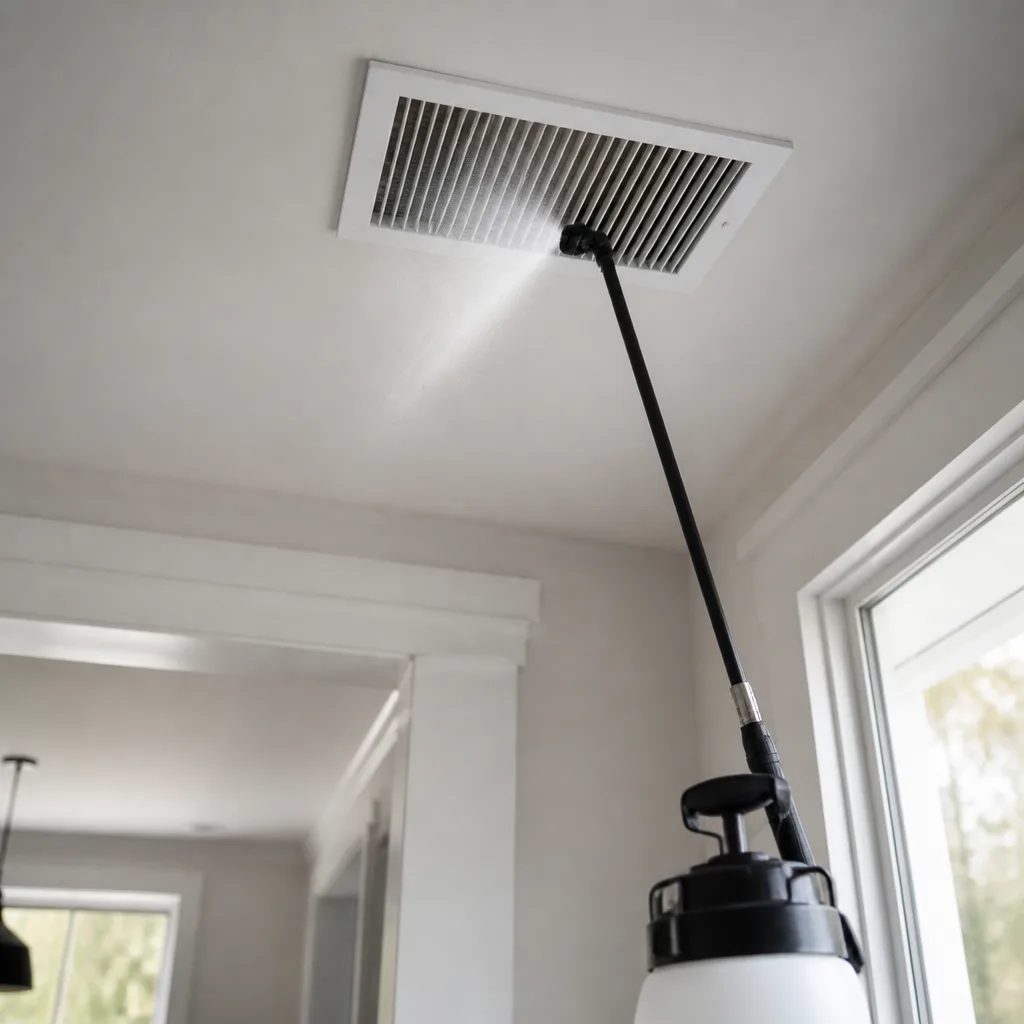
Suspected biological growth. If your phone-camera inspection shows fuzzy growth, staining, or a musty odor that persists after filter changes, you may have mold or bacterial colonization in the duct liner. Disturbing this material without negative-pressure containment releases spores and fragments at concentrations that can trigger respiratory response. The EPA and NADCA both recommend against consumer handling of suspected mold in HVAC systems. Professional assessment, with laboratory identification if indicated, followed by source-removal cleaning with antimicrobial treatment where appropriate, is the appropriate path.
Insurance or resale documentation requirements. If you’re filing a claim for water damage, preparing a home for sale, or responding to a buyer’s inspection request, you need evidence that cleaning occurred and was effective. A DIY job produces no documentation. A professional service with before/after photos, written scope, and workmanship warranty provides the record that insurers, buyers, and inspectors accept. We’ve provided this documentation for hundreds of Sugar Land real estate transactions.
System performance complaints. If your issue is uneven heating or cooling, excessive dust, or elevated energy bills, the cause may not be duct contamination at all. Leaky ductwork, inadequate return air, or blower malfunction produce similar symptoms. Consumer cleaning addresses none of these. Professional service includes system assessment that identifies the actual problem. HVAC Cleaning in Sugar Land by qualified technicians evaluates the entire air distribution system, not just visible debris.
In these four scenarios, the question isn’t whether DIY can save money. It’s whether the attempt creates additional cost, risk, or documentation gap that professional service would have avoided.
How to Spot a Fake Professional Quote
Not every service that advertises “professional air duct cleaning” performs source-removal work. Some operators use consumer-grade equipment or methods that produce vacuum noise without actual cleaning. Here’s how to distinguish real service from theater.
Ask the equipment question directly. What CFM does your negative air machine produce? What brand and model? Legitimate operators know these specifications and will state them. Equipment from Nikro, Abatement Technologies, or comparable manufacturers is verifiable online. If the answer is “we use a powerful truck-mounted system” without specifics, or if the equipment is a shop-vac with a long hose, you’re not getting source-removal cleaning.
Request the access plan. Real duct cleaning requires access ports in the trunk line, typically one per branch duct, to allow agitation tool insertion and extraction connection. The technician should be able to describe where ports will be cut, how they’ll be sealed afterward, and whether your system type (flex duct, fiberboard, galvanized) affects the approach. Vague answers suggest no systematic plan.
Demand photo documentation in writing. Any operator claiming professional service should provide before/after photos of every duct run as standard deliverable, not as an extra-cost option. At CleanRun, this has been mandatory since 2013. If a company won’t commit to photo documentation in writing, they may not be performing work that would photograph well.
Verify the pricing structure. The bait-and-switch model advertises a low per-vent or whole-house price, then adds charges for “extra” returns, main trunk lines, or sanitizing. Real source-removal cleaning is priced per system, with all components included. CleanRun Air Duct Cleaning Sugar Land home quotes a written price for the complete system before work starts, under Haven Standard Clause 1. No per-vent arithmetic. No post-arrival upsells.
Check for the workmanship warranty. A company confident in its equipment and methods should back the work with a written guarantee. The 365-Day Done Right Promise means if the work is not right, we make it right. A verbal assurance or “satisfaction guarantee” with no written terms offers no enforceable protection.
These questions separate operators who’ve invested in capability from those who’ve invested in advertising. The difference matters because ineffective cleaning costs more than no cleaning, you’ve paid for disturbance without removal, and the system must be cleaned again properly.
The True Cost Comparison: DIY vs Documented Professional Work
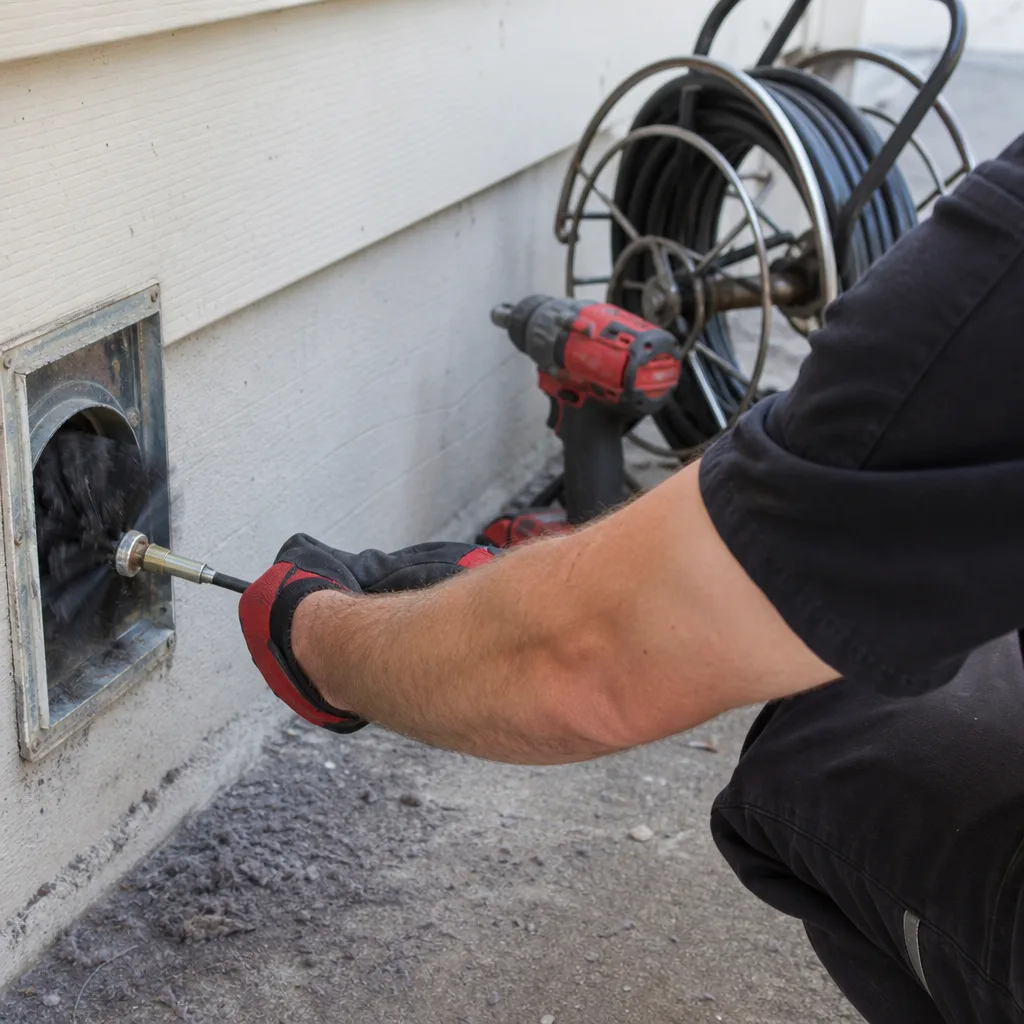
Honest cost comparison requires counting time, equipment, risk, and documentation value, not just the invoice total.
DIY approach, realistic accounting:
- Drill-brush kit: $120-$180
- HEPA shop-vac rental or purchase: $80-$300
- Replacement filters, brushes, extension rods: $40-$80
- Time investment: 6-10 hours for a typical 2,500 sq ft Sugar Land home
- Risk of incomplete removal requiring professional redo: significant, especially in humid conditions with adhered debris
- Documentation value for insurance/resale: zero
- Workmanship warranty: none
Total realistic DIY cost: $240-$560 plus time, with no performance guarantee and potential for net negative result.
Professional source-removal cleaning, Sugar Land market:
Based on our pricing and market knowledge, whole-system air duct cleaning in Sugar Land typically ranges from $450-$850 for a standard single-system home, depending on system size, accessibility, and contamination level. This includes:
- Negative-pressure extraction with 2,500-5,000 CFM equipment
- Mechanical agitation of all duct runs
- Trunk line and plenum cleaning
- Register and grille cleaning
- Before/after photo documentation of every run
- Written scope and price agreed before work starts
- 365-Day Done Right Promise in writing
The professional approach costs more upfront but includes capabilities, documentation, and accountability that DIY cannot replicate. For homes where cleaning is indicated, professional service is the lower total cost when risk, time, and documentation value are included.
For Dryer Vent Cleaning in Sugar Land, the cost comparison differs. Dryer vent cleaning is more accessible to capable homeowners with proper tools, but the fire safety stakes and roof/deck access requirements still favor professional service in many cases.
Common Mistakes to Avoid
- Using a standard vacuum without HEPA filtration. Non-HEPA vacuums exhaust fine particulate through the motor cooling path. In Sugar Land’s humid climate, where spore loads are already elevated, this can worsen indoor air quality rather than improve it.
- Brushing flexible ductwork from the register end. The corrugated interior of flex duct traps brush bristles, and aggressive brushing from the register can tear the mylar liner or disconnect duct joints inside walls. We’ve repaired dozens of flex duct separations caused by DIY brushing in Sugar Land’s Canyon Gate and Avalon subdivisions.
- Cleaning without checking for asbestos or lead. Homes built before 1980 in Sugar Land’s older neighborhoods like Sugar Creek may have asbestos-containing duct tape or insulation. Disturbing these materials without proper containment is a regulatory violation and health hazard. Professional service includes material assessment before disturbance.
- Ignoring the evaporator coil and blower. The coil and blower wheel collect more debris than duct surfaces in many systems. Cleaning ducts without addressing these components leaves the primary contamination sources intact. Consumer access to these components is limited and carries electrical and refrigerant safety risks.
- Expecting odor elimination from duct cleaning alone. Persistent odors in Sugar Land homes often originate from microbial growth on the coil, in the drain pan, or in building materials. Duct cleaning without coil treatment and moisture source identification wastes money. Professional assessment identifies the actual odor source.
- Falling for “whole house” pricing without scope definition. A $199 “whole house” special typically covers supply registers and limited trunk access, with every additional component priced separately. By the time the truck leaves, the invoice resembles proper professional pricing without the proper professional work. Always demand written scope before agreeing to price.
When to Call a Professional
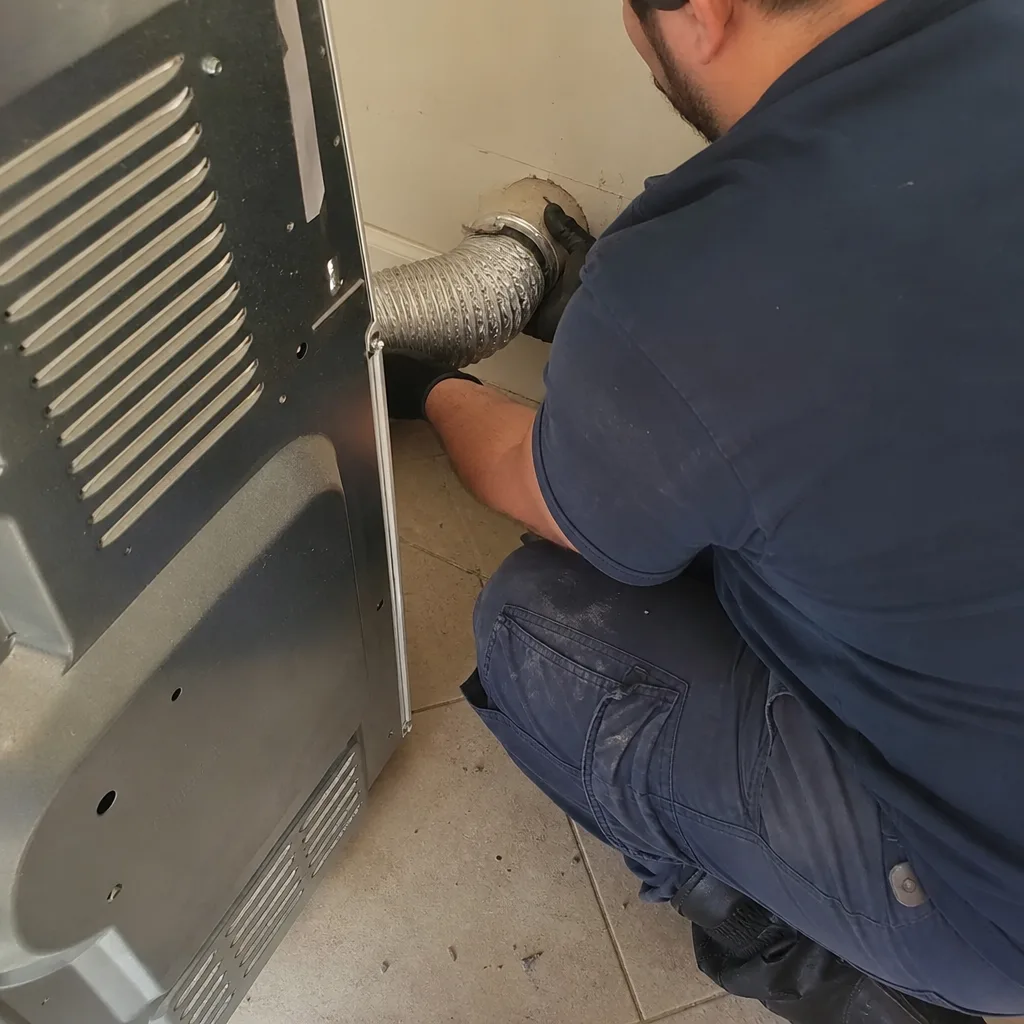
Call a professional when your phone-camera inspection shows significant debris, when you’ve had recent renovation or water damage, when odors persist after filter changes, or when you need documented evidence of system condition for any purpose. In Sugar Land’s climate, we also recommend professional assessment if your home is in a flood-prone area or if the HVAC system has been idle for an extended period, such as a vacant home sale.
CleanRun Air Duct Cleaning Sugar Land offers free estimates in Sugar Land. We’ll provide a written price before any work starts, and every job includes a Documented Photo Record of every duct run, before and after. Call (346) 421-3357 to schedule.
Frequently Asked Questions
Whole-system air duct cleaning in Sugar Land typically costs $450-$850 for a standard single-system home, depending on square footage, system accessibility, and contamination level. This includes all duct runs, trunk lines, plenums, registers, and photo documentation. CleanRun provides a written price before any work starts under Haven Standard Clause 1. Call (346) 421-3357 for a specific quote - estimates are free.
Low quotes typically reflect limited scope or inadequate equipment. A $199 “whole house” special often covers only supply registers and minimal trunk access, with additional charges for returns, main lines, or sanitizing. True source-removal cleaning requires negative-pressure equipment, systematic access ports, and sufficient time - none of which are compatible with bottom-tier pricing. Ask for the CFM rating of the extraction equipment and the written scope before comparing prices.
Demand before/after photos of every duct run, delivered as part of the standard job record. At CleanRun, we’ve photographed every run on every job since 2013. The photo record shows bare metal or clean liner after source-removal cleaning, versus unchanged surfaces after inadequate work. Written scope and photo documentation together provide verifiable evidence that work occurred as specified.
For most Sugar Land homes with regular filter changes, every 5-7 years is adequate under normal conditions. Homes with pets, recent renovation, or located near construction or agricultural activity may need more frequent service. The visible inspection method - phone camera in a supply duct - is the best guide. If you see standing debris, schedule service. If surfaces are clean, wait.
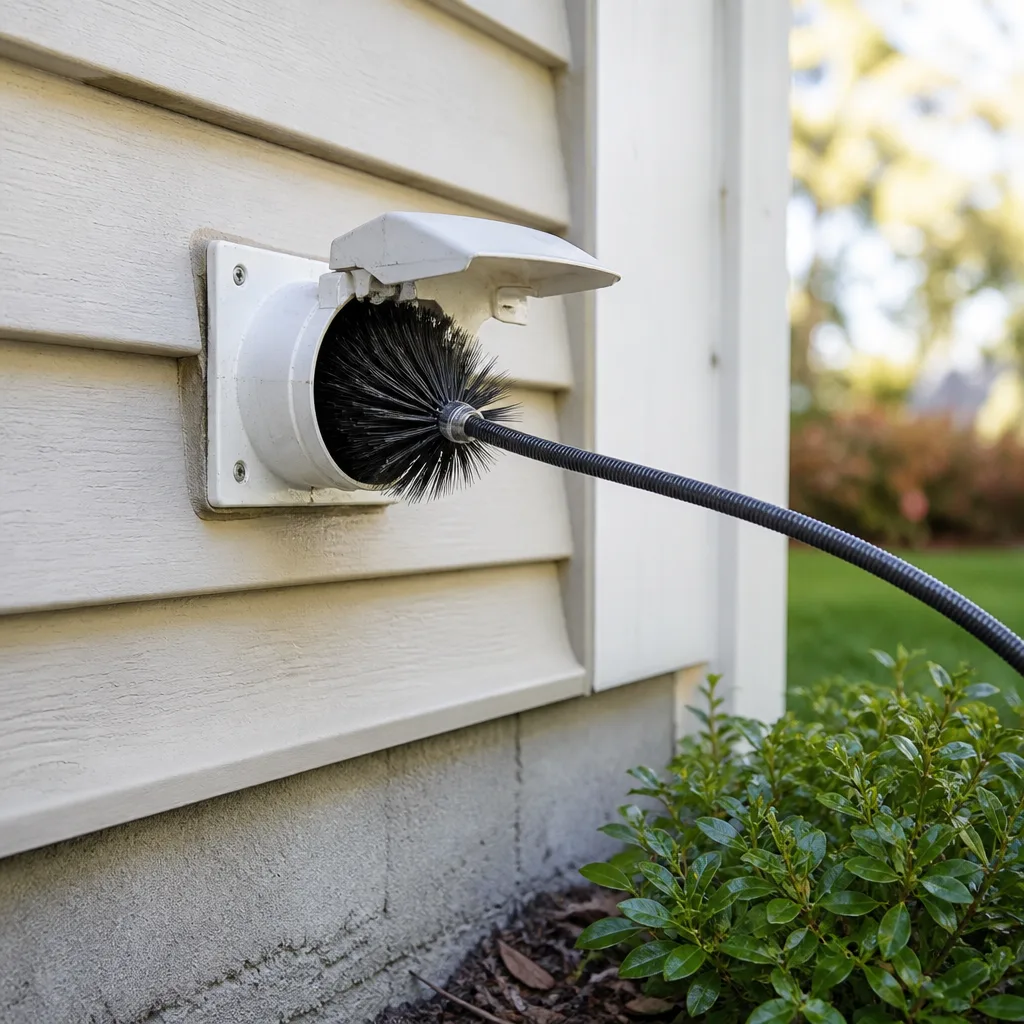
Short, straight dryer vents with ground-level exterior terminations can often be cleaned by capable homeowners with a proper vent brush kit. Long runs, roof terminations, or vents with multiple bends require professional equipment and access tools. In Sugar Land, where many two-story homes have roof-vented dryers, professional Dryer Vent Cleaning in Sugar Land is often the safer choice. Dryer vent fires peak in winter when lint accumulation meets heating-element temperatures - this is not a maintenance item to defer.
Moderately, in specific circumstances. Significant debris accumulation on the evaporator coil or blower wheel restricts airflow and increases energy use. However, duct cleaning alone, without coil and blower service, produces minimal efficiency gain. The primary benefits of source-removal cleaning are indoor air quality improvement, odor reduction, and system longevity through reduced particulate loading on components. CleanRun’s assessment includes coil and blower condition, with recommendations based on what’s actually found.
The Bottom Line
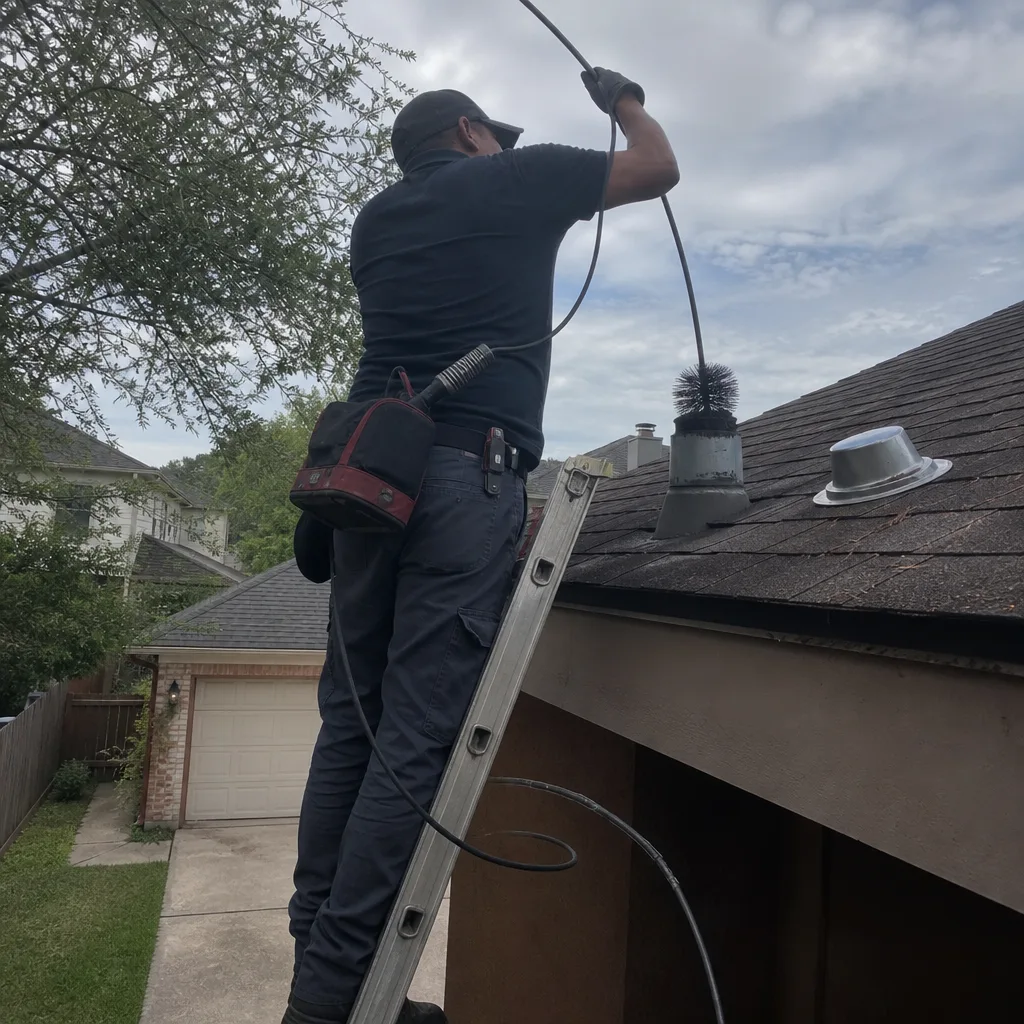
DIY air duct maintenance has a defined, valuable role: registers, grilles, filters, and visual inspection. These tasks improve system performance and provide early warning of developing problems. Whole-system source-removal cleaning requires equipment that consumer tools cannot replicate - negative-pressure extraction at 4,000-6,000 CFM, mechanical agitation throughout the full duct network, and documentation that proves the work occurred. In Sugar Land’s humid subtropical climate, where debris adheres more tenaciously and biological growth is a real concern, the line between appropriate DIY and necessary professional service is sharper than in drier regions. The decision isn’t about preference or budget alone. It’s about matching the tool to the task, and recognizing when consumer capability ends and professional accountability begins. Explore our more guides & resources for additional homeowner guidance.
Written by Tomas Reyes, Owner at CleanRun Air Duct Cleaning Sugar Land, serving Sugar Land since 2013.