
Last updated September 23, 2026
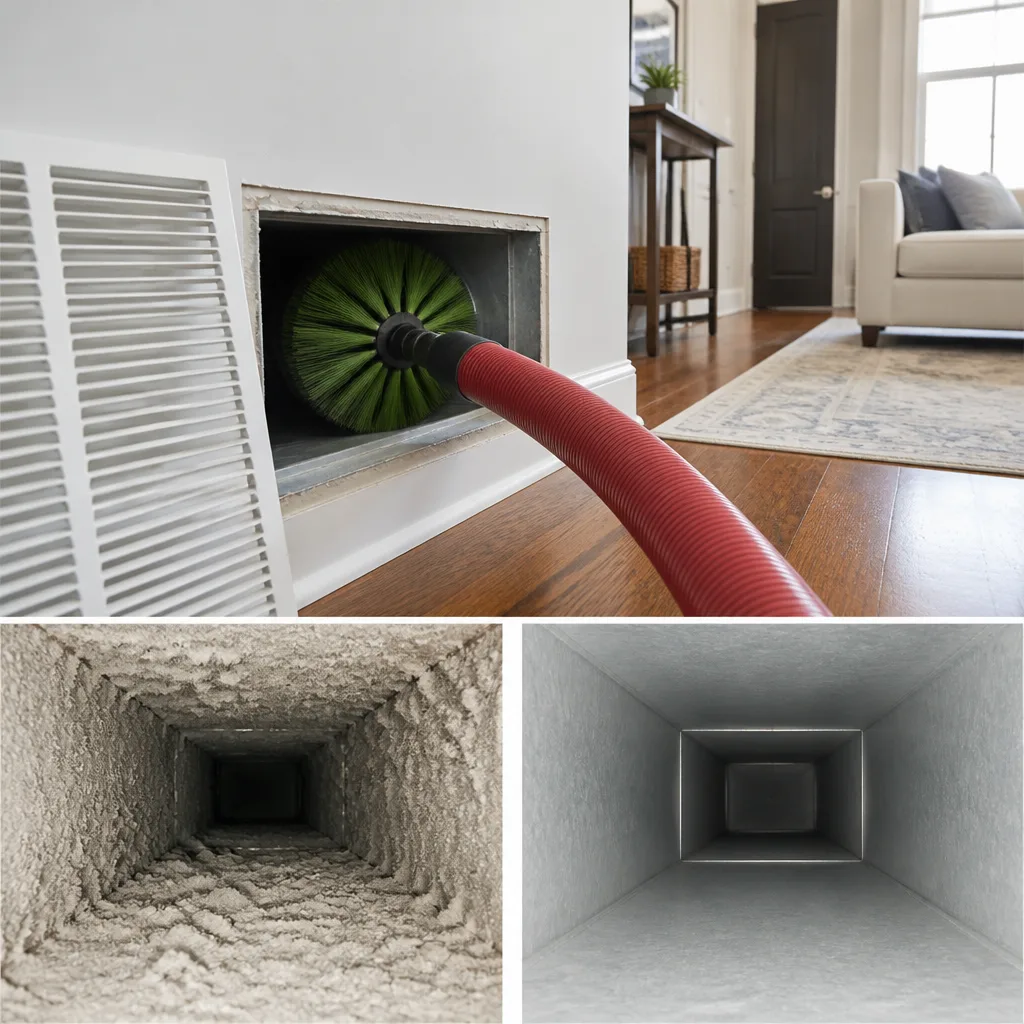
Whole-system duct and dryer vent check with before-and-after photos - you see exactly what came out of your vents
That "$99 whole-house special" is a bait ad - the real number appears once they are in your hallway, or the "clean" is a shop-vac at the register. We photograph the inside of your ducts before and after instead.
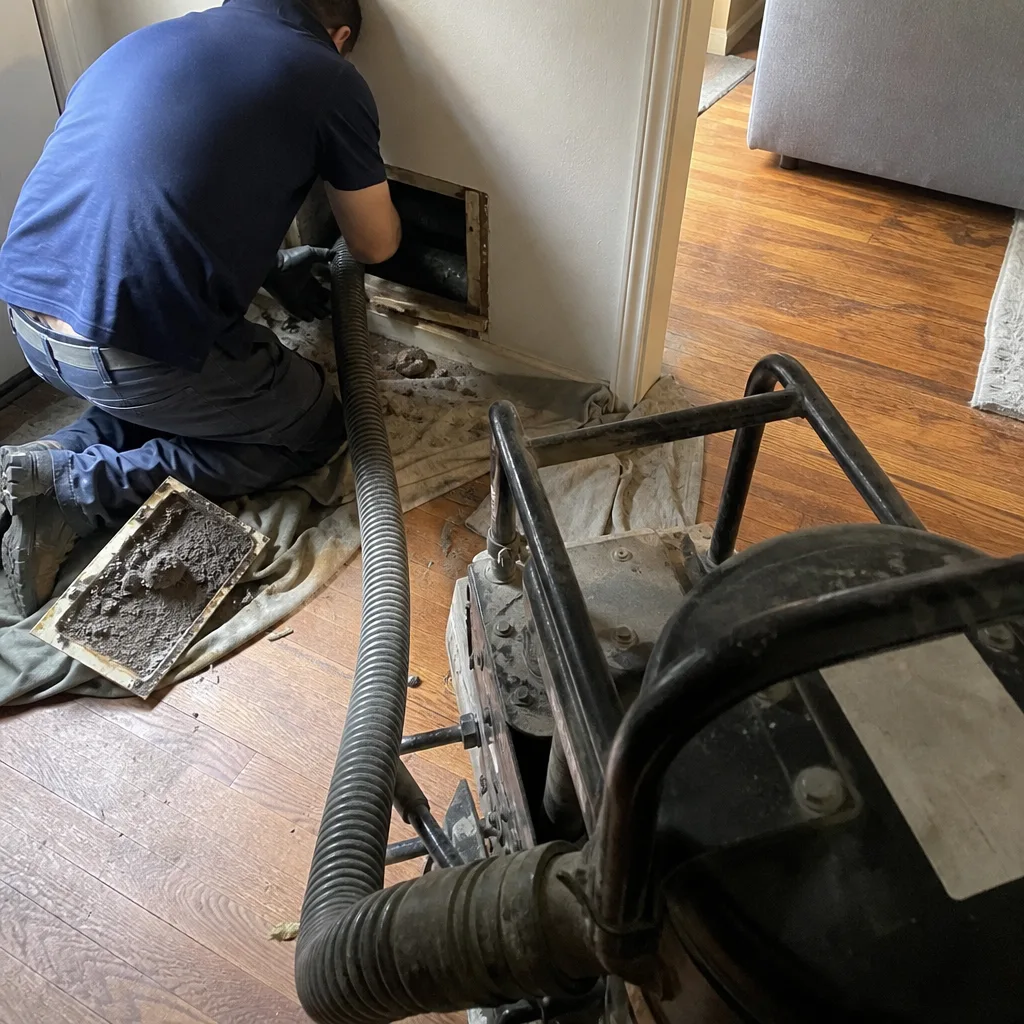 Before
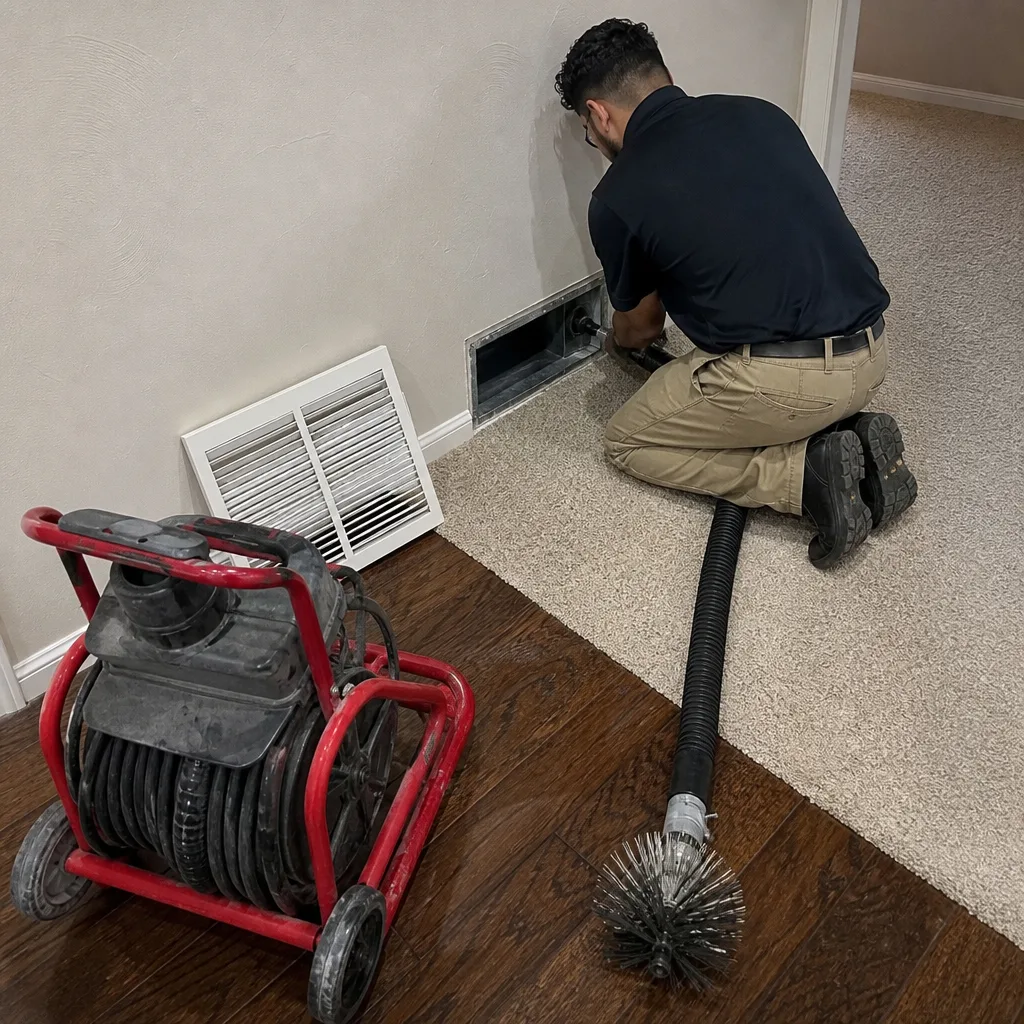 After
After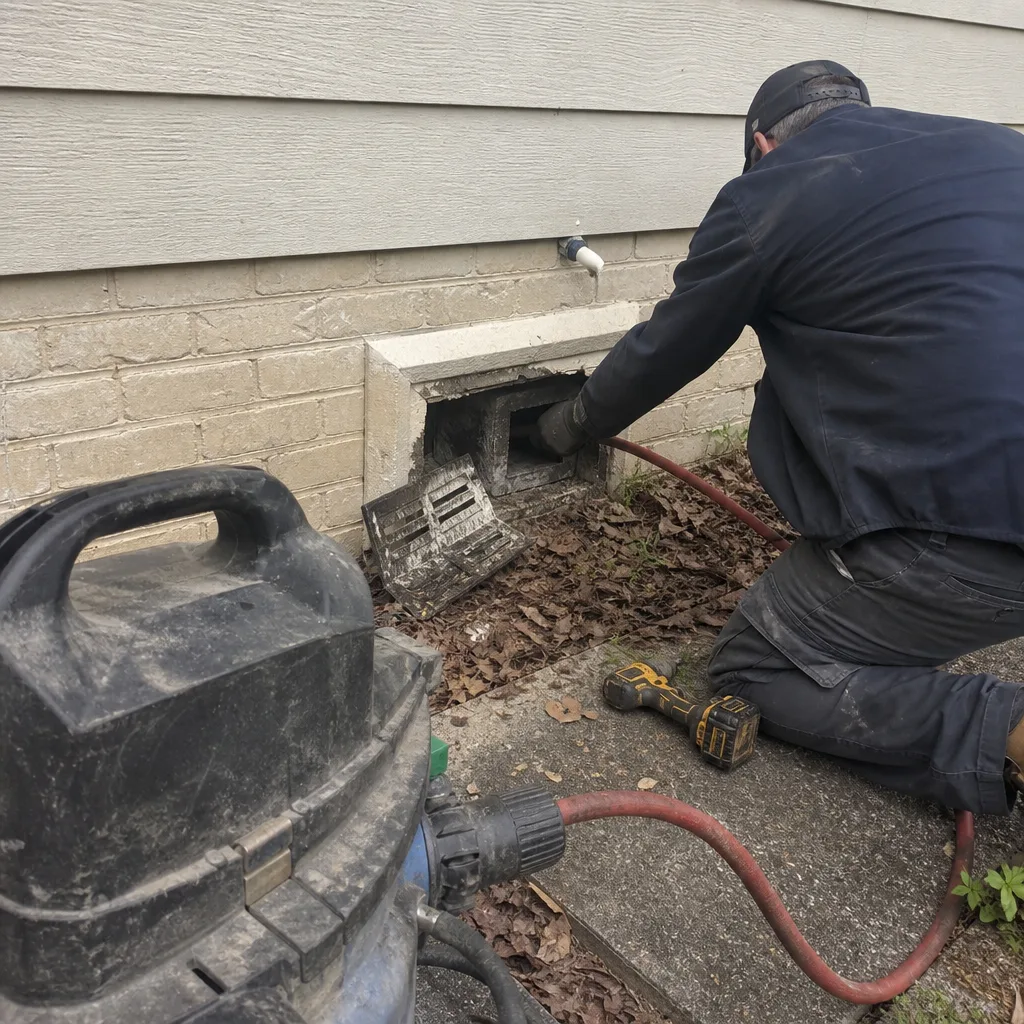 Before
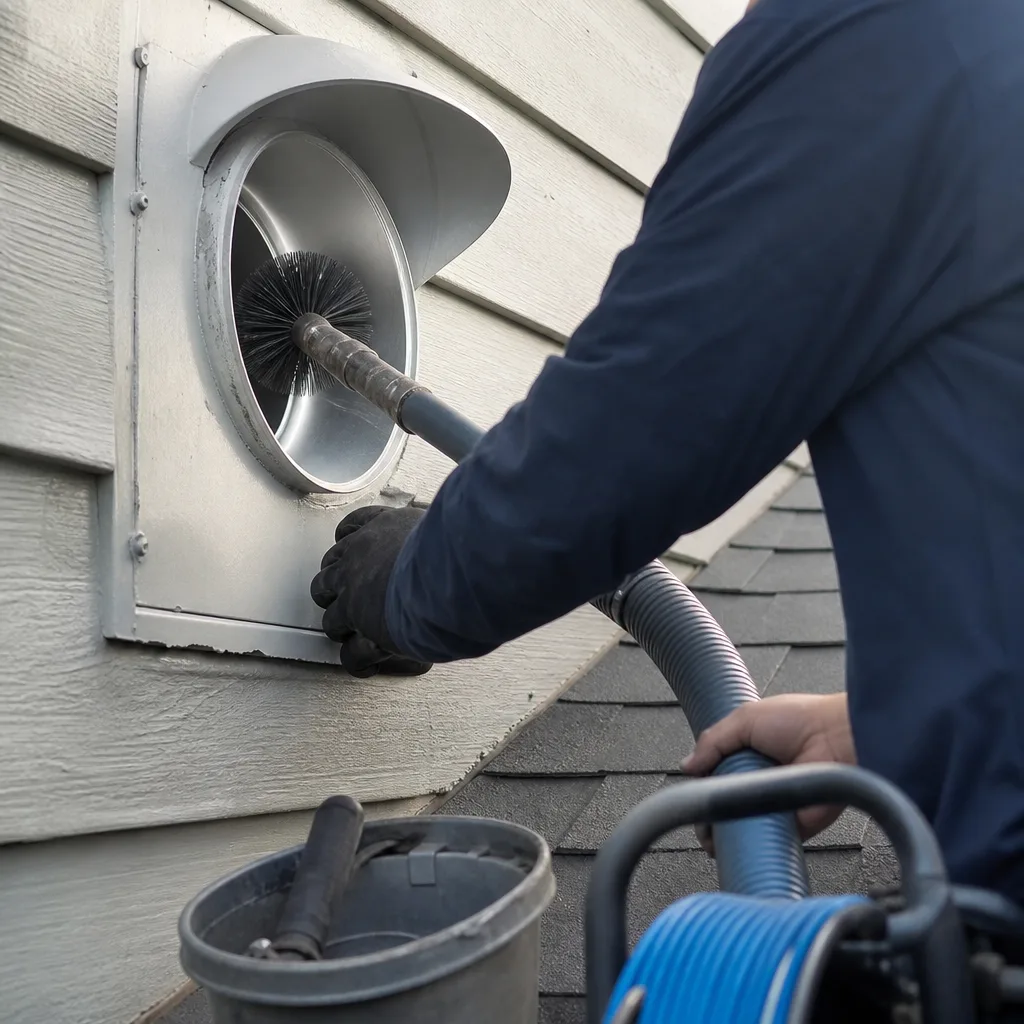 After
After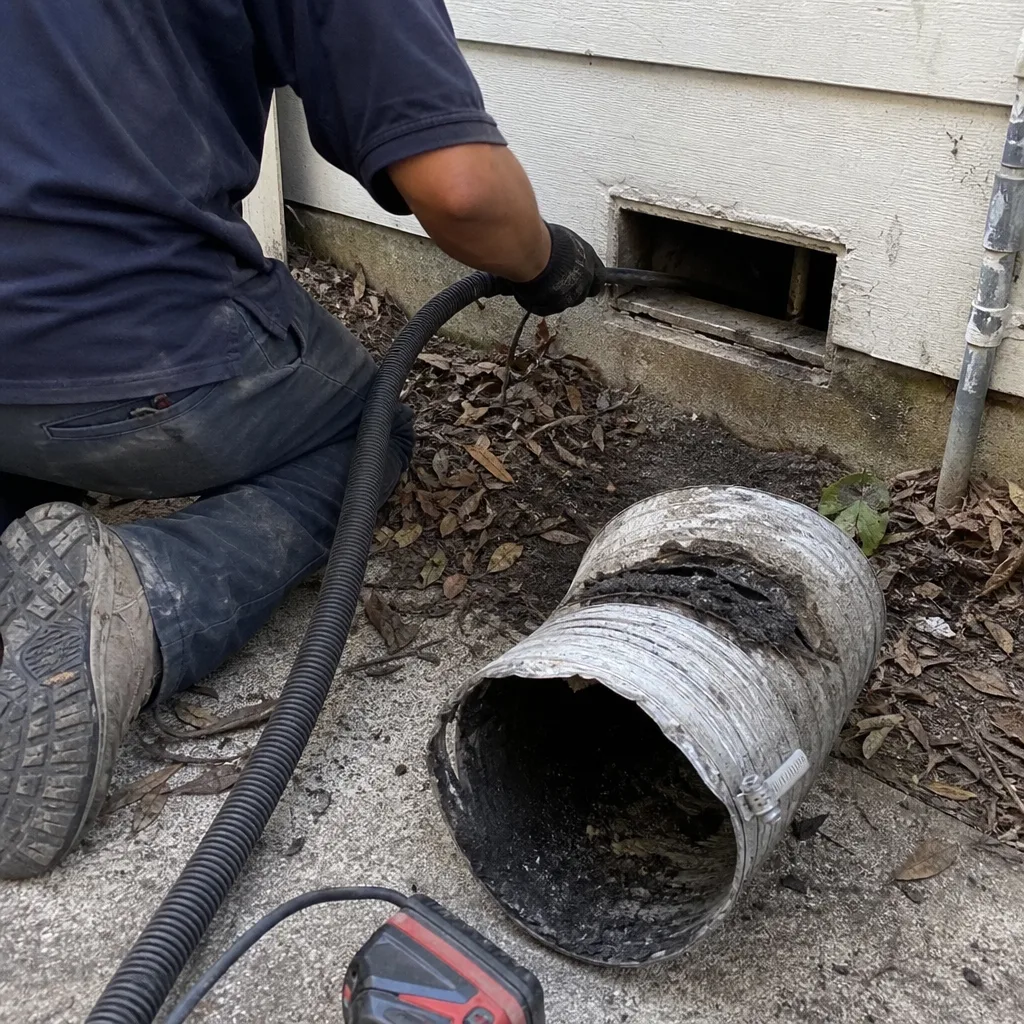 Before
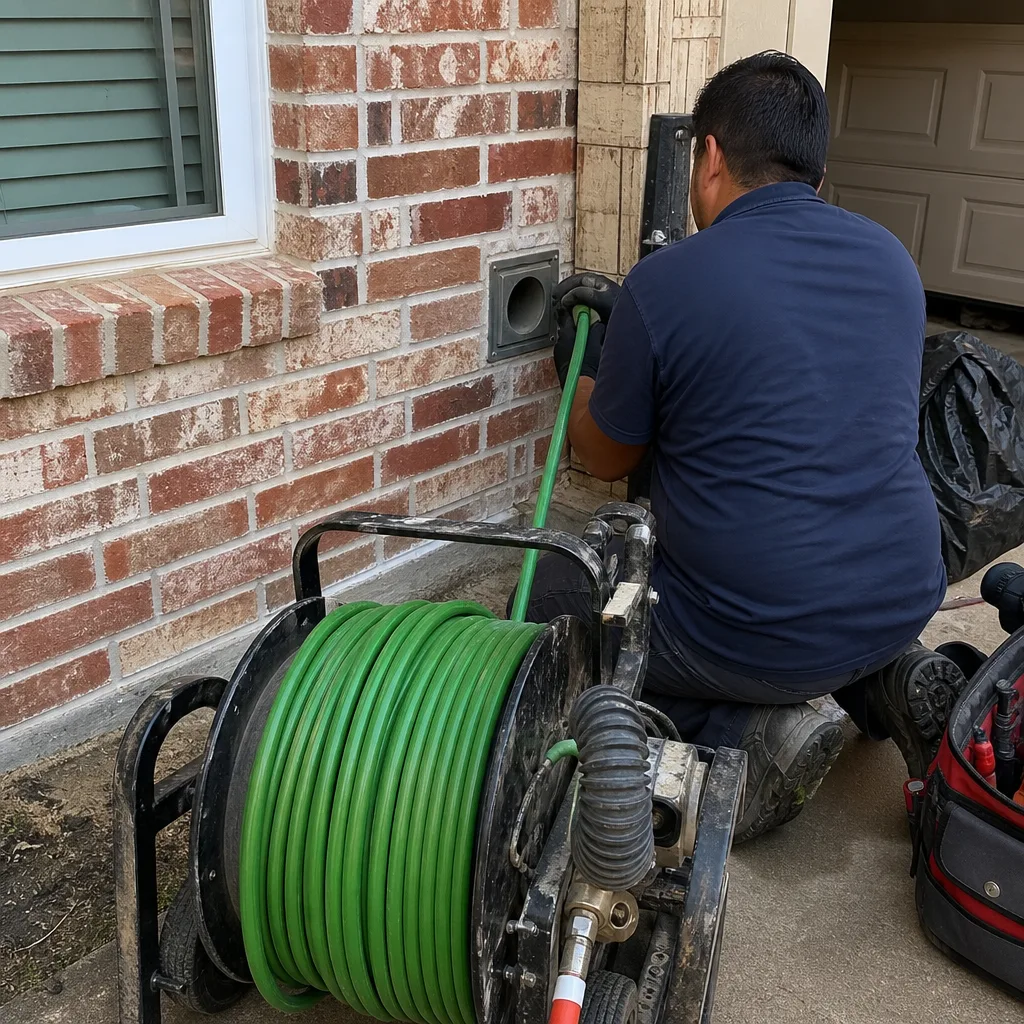 After
AfterThe Complete Guide to Air Duct Cleaning in Sugar Land
A shop-vac with a long hose can move dust from one section of your duct system to another without removing it from the house. Yet that’s the equipment behind most “$79 special” jobs in the Houston metro, including right here in Sugar Land, where the clay soil shifts foundations and the Gulf humidity sits at 75% for months straight. This guide treats your ductwork as a documented system, not a mystery. You’ll learn how to read what a camera inspection actually shows, why Sugar Land’s climate creates specific duct problems that national checklists miss, what equipment specs separate real source-removal cleaning from vacuum noise, and how to hold any company accountable with a written scope and photo record before you pay. For related reading, see our guide on How to Hire a Air Duct Cleaning Contractor in Sugar Land: A Step-by-Step Guide.
Quick Answer
Our Air Duct Cleaning services in Sugar Land cost $400-$900 for a typical single-system home and include source-removal cleaning with negative-pressure extraction, a camera inspection with per-register photos, and a written price agreed before work starts. The process takes 3-5 hours for a thorough job. In Sugar Land’s humid subtropical climate, homeowners should inspect their ducts every 3-5 years, with shorter intervals if you have pets, recent renovation, or visible mold.
Table of Contents
- What Is Actually Inside Sugar Land Ducts?
- What a Camera Inspection Shows (And Why It Matters)
- How Sugar Land’s Climate and Soil Damage Ductwork
- Real Cleaning vs. Shop-Vac Noise: Equipment You Can Verify
- What a Written Price Scope Looks Like
- How to Read a Post-Cleaning Report
- Air Duct Cleaning Cost in Sugar Land
- How Often to Clean Ducts in This Climate
BeforeAfterWhat Is Actually Inside Sugar Land Ducts?
We’ve photographed the inside of over 52,000 duct systems since 2013. In Sugar Land homes, the debris profile differs from drier climates in ways that matter for both health and equipment selection.
The most common findings in our Sugar Land inspections fall into four categories:
- Fine particulate accumulation: Pollen, skin cells, and fabric fiber that compress into a mat along duct floors. In Sugar Land’s long growing season, pollen loads run higher than national averages from February through November.
- Construction debris: Drywall dust, wood shavings, and insulation fragments left from original build or renovation. Homes built during Sugar Land’s 2015-2022 construction boom are particularly prone to this, especially in Telfair, Riverstone, and New Territory where entire subdivisions went up in compressed timelines.
- Microbial growth: Not “black mold” in the dramatic sense, but surface colonization on fiberglass liner or at flex-duct seams where condensation collects. Sugar Land’s average 74% summer humidity and 95°F+ attic temperatures create conditions for this that a Phoenix or Denver duct rarely sees.
- Pest detritus: In older Sugar Land neighborhoods like Old Sugar Land and Imperial, we’ve found rodent nesting material, insect casings, and in one First Colony home, a decade of gecko remains packed behind a master bedroom register.
The critical distinction: not all debris responds to the same cleaning method. A shop-vac with a rotary brush can dislodge loose surface dust. It cannot extract compressed construction debris from a low-velocity duct run, and it cannot address microbial growth without proper containment and antimicrobial application. The camera shows which category dominates your system, and that determines the equipment and time required.
In our experience, Sugar Land homes fall into three debris-density profiles:
- Light accumulation (20% of inspections): Thin, loose layer. A maintenance-level cleaning with HEPA-contained agitation is sufficient. Typical in homes with continuous HVAC operation and high-grade filtration.
- Moderate compaction (55% of inspections): Visible buildup at elbows and transitions, some compression. Requires negative-pressure source removal with mechanical agitation. Most common in 10-20 year old systems.
- Severe loading (25% of inspections): Thick matting, construction debris, or active microbial growth. Demands extended cleaning time, possible duct repair, and antimicrobial treatment. Frequently found in homes with no prior cleaning, post-renovation, or following foundation shifts that separated duct seams.
The only way to know your profile is to look. We deliver a camera inspection as the first step of every evaluation, with the customer viewing the feed in real time.
What a Camera Inspection Shows (And Why It Matters)
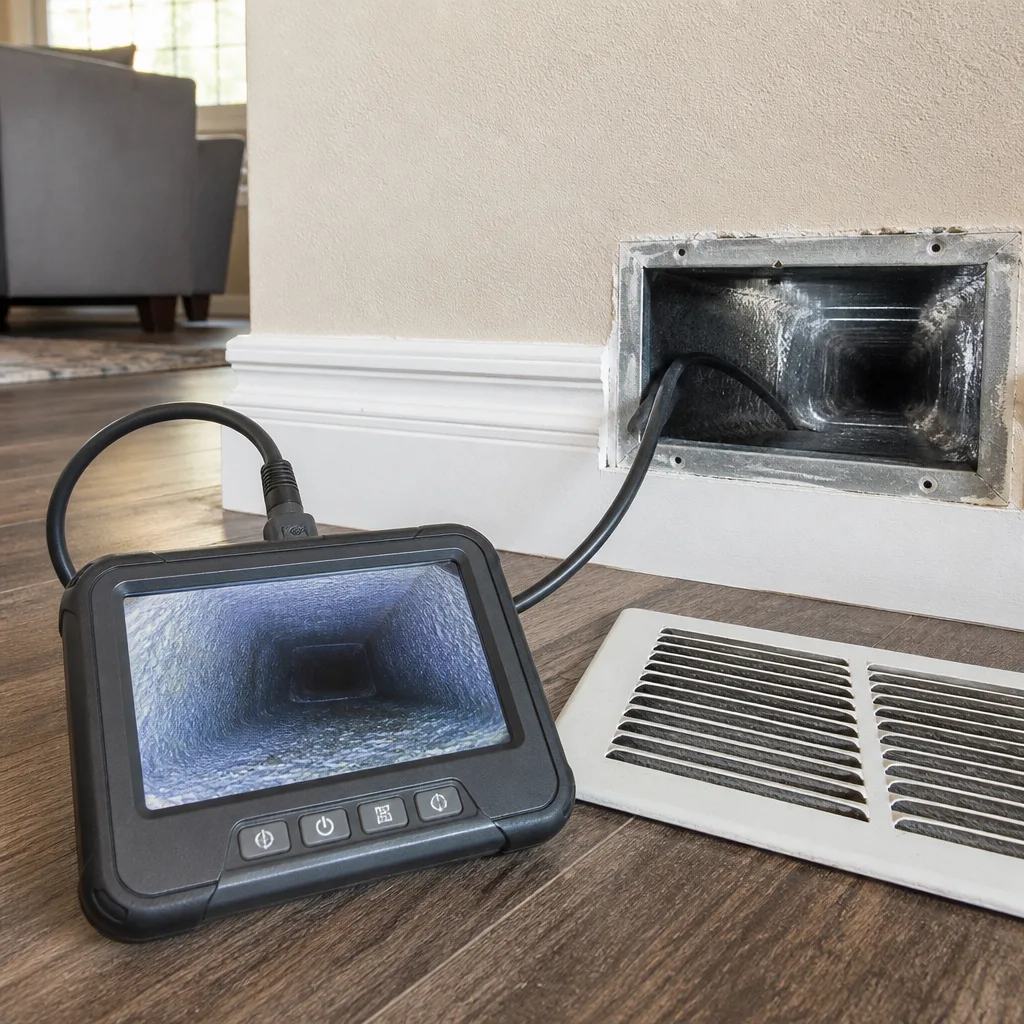
A duct camera is a borescope on a flexible rod, 5.5mm in diameter, with LED illumination and 720p minimum resolution. The technician feeds it through each register and captures video of the entire run from the boot back to the plenum. Here’s what the footage actually reveals:
Debris type and location. The camera distinguishes loose surface dust (gray, moves with airflow) from compacted buildup (dark, static, often at the first elbow downstream from the register). It identifies fiberglass degradation, where the liner surface has broken down and is shedding fibers into the airstream. In Sugar Land’s high-humidity attics, it locates condensation stains that predict microbial growth before it becomes visible.
Duct integrity. Separated flex-duct seams, crushed sections from storage activity in attics, and disconnected collars at the plenum. These are structural issues that cleaning alone cannot fix. In Sugar Land, clay-soil foundation movement shifts the slab and frame, which transfers stress to rigid duct connections. We’ve found separated collars in homes as new as 2018 in Greatwood and Sugar Creek.
Register and boot condition. Rust on metal boots, degraded sealant, and improper original installation (boots not sealed to drywall, creating a bypass that pulls attic air). The camera shows whether the register you see from the room is connected to an intact duct or a leaky chase.
The photo record matters because it creates accountability. Our Documented Photo Record on Every Visit captures the inside of every duct run before and after, delivered to the customer as part of the standard job record. This practice has been in place since our first job in 2013. Without it, you’re relying on a technician’s verbal description of work you cannot see. With it, you have dated, geotagged images that show exactly what was present and what changed.
What to demand from any company’s camera inspection:
- Live viewing during the inspection, not a post-visit “report.”
- Per-register documentation, not a single “representative” photo.
- Video or stills saved to a deliverable format you retain.
- Clear labeling of which image corresponds to which room/ register.
If a company resists any of these, you’re not getting documentation. You’re getting theater.
How Sugar Land’s Climate and Soil Damage Ductwork
Sugar Land sits on the Gulf Coastal Plain with expansive clay soils (the Beaumont Formation) that shrink and swell dramatically with moisture changes. This isn’t abstract geology. It translates to specific duct problems that a standardized national cleaning protocol will miss.
Foundation movement and duct separation. When clay soil dries in summer and swells in spring rains, the slab and frame move differentially. Rigid metal duct connections at the plenum and trunk lines experience shear stress. Flex duct, common in Sugar Land residential construction from 1990 onward, pulls at its collars. The result: leaks that pull attic air into the system, or dump conditioned air into the attic. A camera inspection finds these separations. A shop-vac cleaning ignores them and may even worsen the leak by dislodging the last remaining sealant.
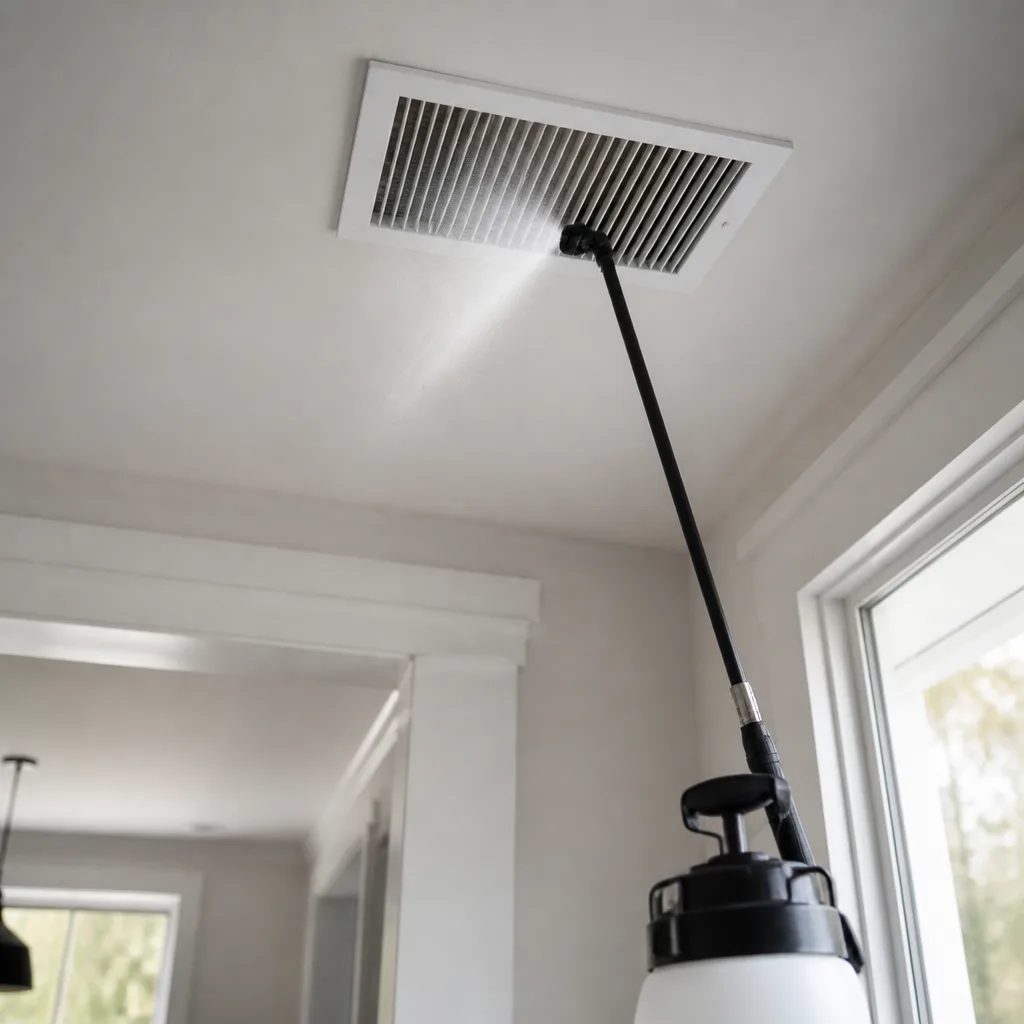
Humidity-driven microbial growth. Sugar Land’s average relative humidity exceeds 70% for seven months of the year. Attic temperatures in July and August routinely reach 130°F. When cool air moves through ductwork in this environment, condensation forms at any thermal bridge or uninsulated section. Fiberglass-lined ducts, popular in 1990s-2000s construction for their acoustic dampening, act as a sponge. The camera shows darkening at these locations. The correct response is not just cleaning but antimicrobial treatment with EPA-registered products, plus identification of the condensation source.
Pollen and organic loading. Sugar Land’s subtropical climate supports year-round pollen production. Oak pollen peaks February-April, grass May-July, ragweed August-November. Homes with standard 1-inch fiberglass filters (MERV 4-6) pass significant pollen loads into the duct system. Over years, this organic material forms a nutrient base for microbial colonization when humidity is present. The camera reveals this as a greenish or brownish film distinct from inorganic dust.
Post-hurricane and flood contamination. After Hurricane Harvey in 2017, we inspected dozens of Sugar Land homes in Riverstone, Telfair, and Commonwealth that had experienced roof leaks or rising water. Even where the living space dried, duct systems retained moisture in low points and insulation. The camera showed standing water in horizontal runs and rust blooming on metal components. These cases required not cleaning but section replacement, with full documentation for insurance claims.
A technician working from a national franchise checklist won’t know to look for clay-soil separation patterns or pollen-loading gradients. These are Sugar Land-specific diagnostics that require local experience and camera verification.
Real Cleaning vs. Shop-Vac Noise: Equipment You Can Verify
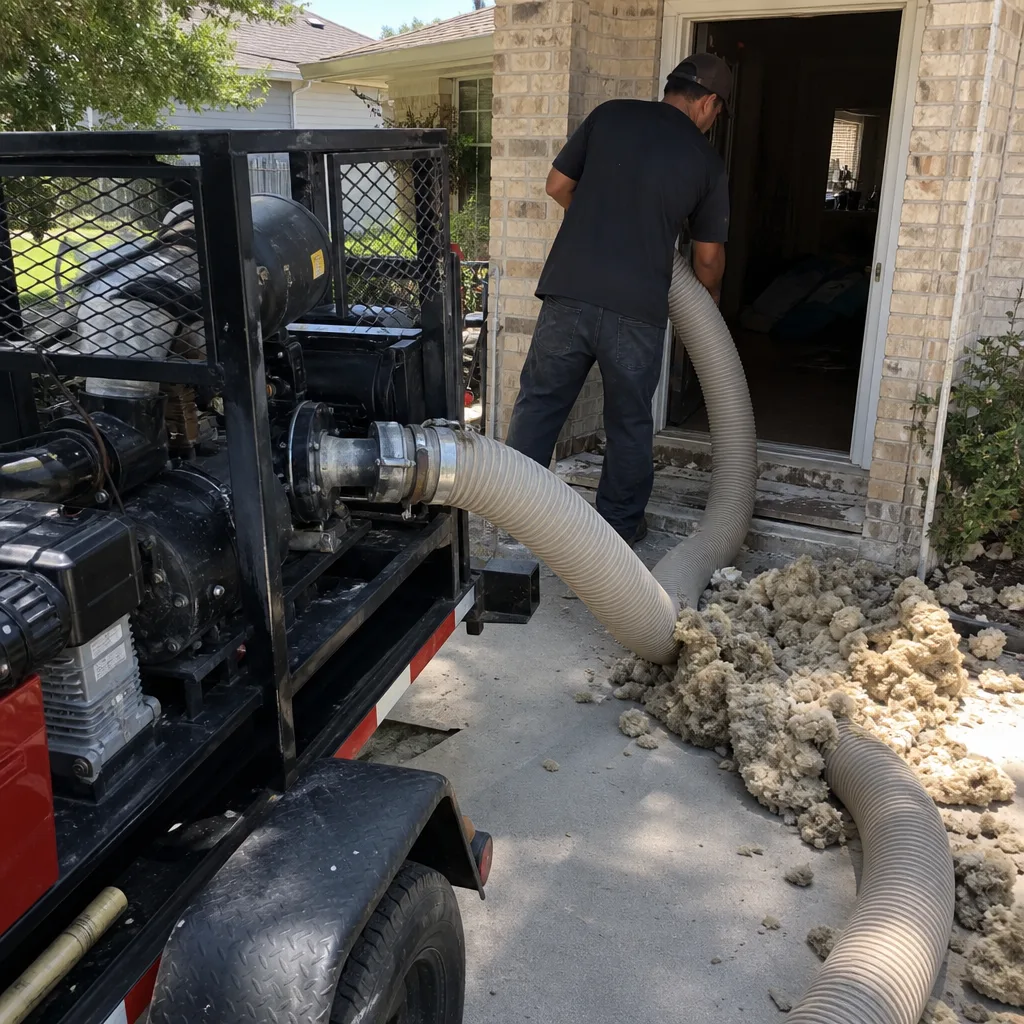
The air duct cleaning industry has no federal equipment standard. This creates a market where a $79 job and a $700 job may use the same words to describe radically different processes. Here’s how to distinguish them by equipment and method.
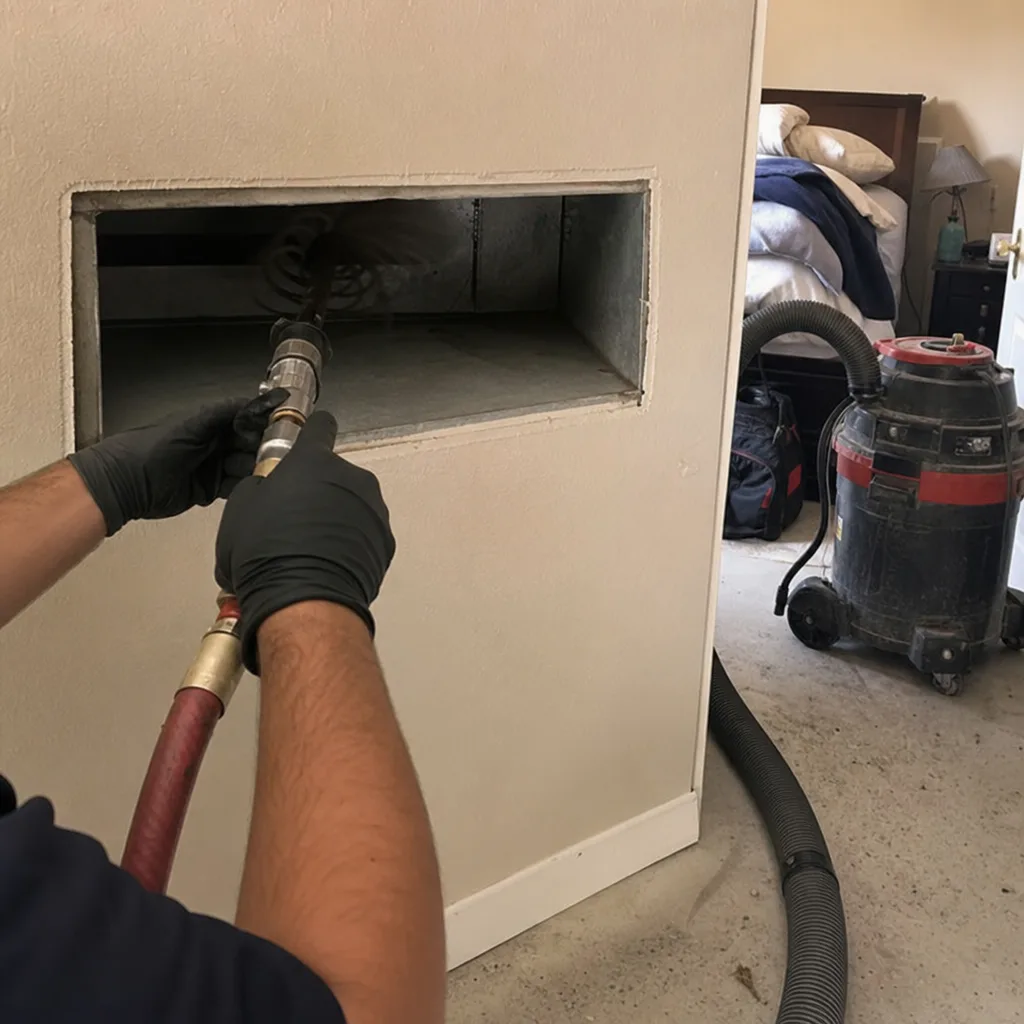
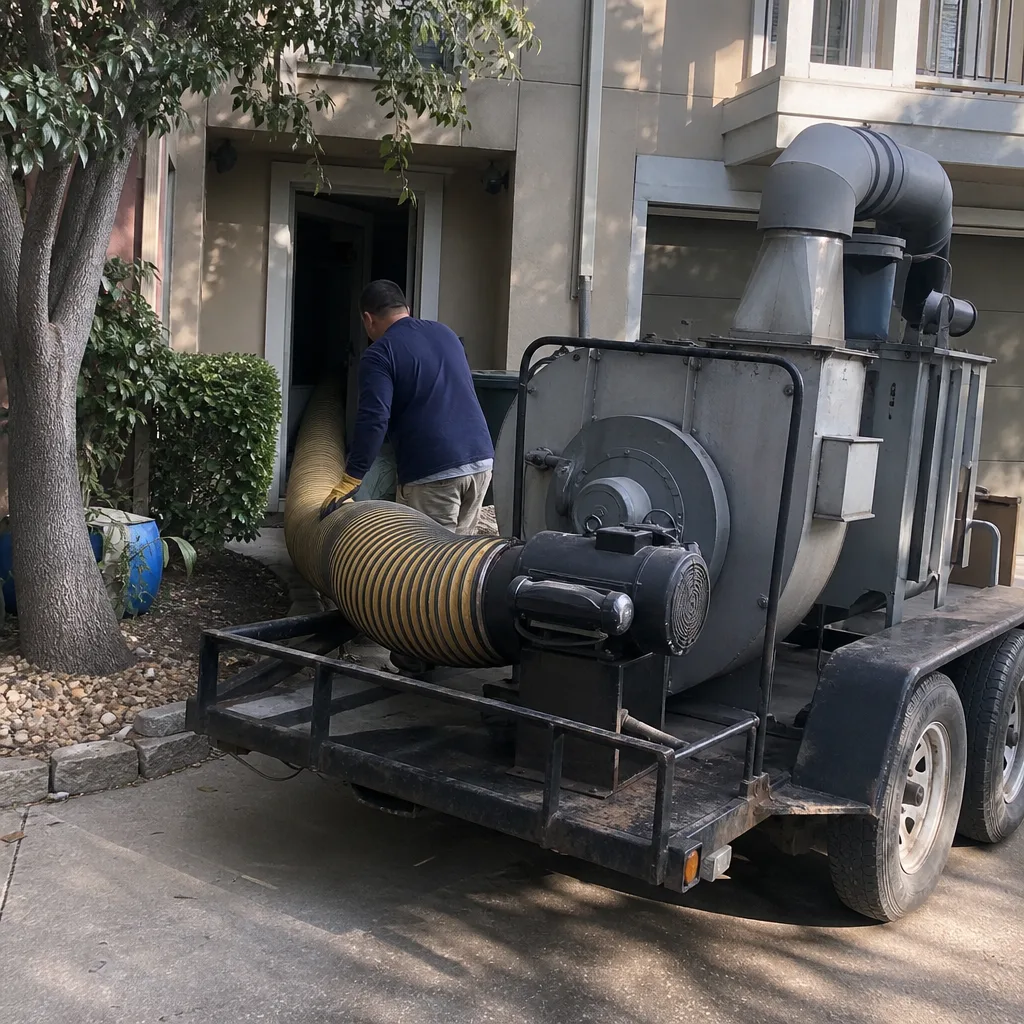
Source-removal cleaning with negative-pressure extraction. This is the method recognized by the National Air Duct Cleaners Association (NADCA). A large vacuum unit, typically truck-mounted or a portable HEPA-contained system like those from Abatement Technologies, attaches to the duct system near the air handler. This creates negative pressure throughout the system, so that when a register is opened and agitation tools are inserted, dislodged debris is immediately drawn toward the vacuum collection point rather than escaping into the home.
Agitation tools vary by duct type and debris density. Rotobrush systems use a rotating brush on a flexible cable to contact duct walls directly, effective for metal duct with moderate buildup. Pneumatic whips and skipper balls use compressed air to create impact and vibration, better for flex duct where a brush might snag or damage the liner. In Sugar Land’s common hybrid systems (metal trunk with flex branches), technicians switch between methods by run.
The vacuum itself matters. A shop-vac generates approximately 60-90 inches of water lift. Professional negative-air machines from Nikro or Abatement Technologies produce 2,000-4,000 CFM at sufficient static pressure to maintain containment across a residential system. The difference is not incremental; it’s the difference between debris removal and debris redistribution.
What the “$79 special” actually does. A portable shop-vac or carpet-cleaning extractor with a long hose. The technician inserts a brush or wand through each register, often without sealing other registers, so agitated dust escapes through open paths. No negative pressure means no containment. The debris that doesn’t settle immediately in your living room is pushed deeper into the system, where low-velocity runs trap it. The register looks cleaner. The system is not.
Equipment you can verify before hiring:
- Rotobrush: Brush-and-vacuum units with HEPA filtration. Ask for the model number; current professional units are the Rotobrush Beast or Renegade series.
- Abatement Technologies: Portable HEPA vacuums (PREDATOR series) and air scrubbers. These are hospital-grade containment systems, not consumer equipment.
- Nikro: Truck-mounted and portable negative-air machines, plus pneumatic agitation tools. The Nikro HP20 is a common professional standard.
- Honeywell / Aprilaire: Media filters and UV systems used in post-cleaning upgrades, not cleaning equipment itself. Relevant if the company proposes filtration improvements.
- Guardsman: Antimicrobial and protective treatments applied after cleaning. Ask for the specific product SDS (Safety Data Sheet) if antimicrobial treatment is proposed.
We use equipment from this roster on every job, and we name the specific tools in our written scope so customers can verify manufacturer specifications independently. Haven Standard Clause 1 requires this transparency.
Red flags that indicate shop-vac cleaning:
- No vacuum unit visible at the air handler or a main trunk line.
- Single technician who completes a “whole house” job in under 90 minutes.
- No containment barriers or HEPA air scrubbers operating during work.
- Brushes that are clearly consumer-grade drill attachments.
- Refusal to show equipment model numbers or manufacturer documentation.
What a Written Price Scope Looks Like
The bait-and-switch structure of this industry works like this: a low initial quote, often verbal or from a coupon, gets the technician in the door. Once inside, “additional services” multiply the final invoice. The customer, already invested in the visit, often pays rather than restart the search.
Our response, in place since 2013, is Haven Standard Clause 1: Written Price Before Any Work Starts. Every job receives a written scope with line-item pricing, signed by the customer, before a single panel is removed. Here’s what that document contains and why each element matters.
System identification. Number of air handlers, approximate duct footage, register count, and access points. This prevents the “we didn’t know you had a second system” add-on.
Debris profile from camera inspection. What the camera showed, by register, with reference to the photo record. This justifies the cleaning method and time estimate.
Equipment and method specification. Named tools (e.g., “Rotobrush Renegade with HEPA containment, Abatement Technologies PREDATOR 600 portable negative-air unit”) and process steps. This prevents substitution of inferior equipment.
Line-item pricing with no open-ended categories. Each system, each proposed repair, each treatment is priced separately. There is no “miscellaneous” or “as needed” line. The total is the total.
Exclusions and contingencies. What the price does not cover, with trigger conditions for additional work. For example: “Duct repair not included; separated collars identified at registers R-3 and R-7, repair priced separately at $X if customer elects.” This prevents the surprise discovery mid-job.
Documentation deliverables. Confirmation that before/after photos, static pressure readings, and filter specifications will be provided in the job record.
Warranty terms. Our 365-Day Done Right Promise, in writing: if the work is not right, we make it right. Not a policy subject to manager approval. A written guarantee.
Compare this to a verbal estimate: “It’ll be around $300, maybe more if we find anything.” The customer has no recourse if “anything” turns out to be $800 of upsell. The written scope is not bureaucracy. It is the only tool that aligns the company’s incentive with the customer’s interest.
We also offer a Free Second Opinion on any written estimate. Bring a competitor’s quote; we put our number next to it in writing, with no obligation.
How to Read a Post-Cleaning Report
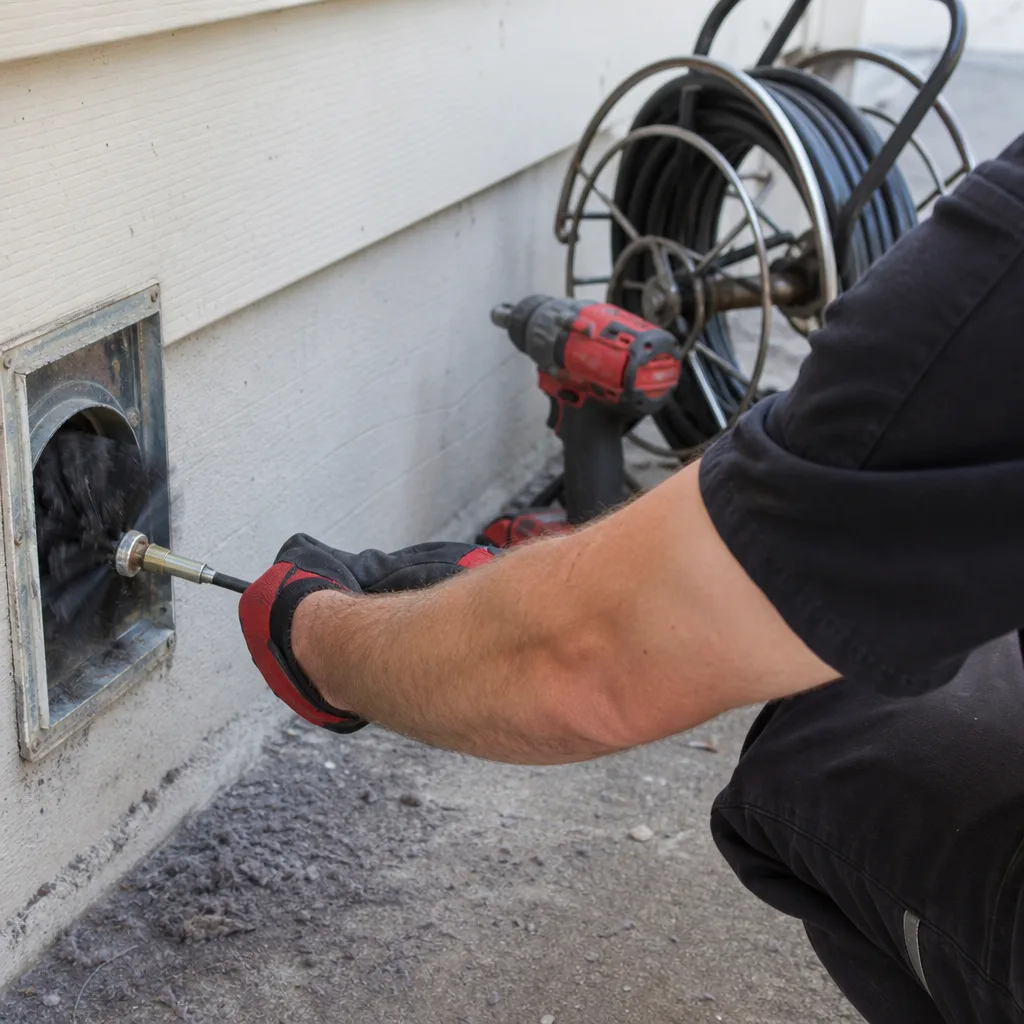
The job isn’t complete when the truck leaves. The documentation you receive is what makes the work verifiable and the warranty enforceable. Here’s what a complete post-cleaning report contains, and what each section tells you. For more guides & resources on maintaining your home’s air quality, visit our blog.
Per-register photo record. Before and after images for every duct run, labeled by room and register identifier. You should be able to match each image to a specific vent in your home. In our reports, these are geotagged and dated. The photo record is included on every visit as a standard deliverable, not an upgrade.
System static pressure notes. Static pressure, measured in inches of water column, indicates how hard the blower works to move air through the duct system. High static pressure suggests blockage, undersized ducts, or filter restriction. We record before and after readings. A significant drop after cleaning confirms debris removal, not just register wiping. A reading that doesn’t change suggests a structural issue (crushed duct, improper design) that cleaning cannot address.
Filter type and condition recorded. What filter was in place, its MERV rating, and its condition. This establishes whether the filter was protecting the system or contributing to the problem. We note recommendations for upgrade if the existing filter is inadequate for Sugar Land’s pollen load.
Observations and recommendations. Any structural issues found, repairs proposed or completed, and maintenance suggestions. This section should be specific: “Flex duct at register R-5, master bedroom, shows 4-inch separation from collar. Recommend repair to prevent attic air infiltration.” Not: “Some ducts need attention.”
Warranty documentation. The 365-Day Done Right Promise, with claim procedure and contact information. This is a written guarantee, not a verbal assurance.
Before you pay, request the report and verify that all sections are complete. A company that cannot produce this documentation on the spot has not performed documented work. The report is the product as much as the cleaning itself.
Air Duct Cleaning Cost in Sugar Land
Prices in the Houston-Sugar Land metro reflect real variation in equipment, time, and documentation quality. The table below shows what we observe in the market and where our pricing falls.
| Service Level | Typical Price Range | What’s Included | What’s Often Missing |
|---|---|---|---|
| Coupon / “Special” Cleaning | $79-$199 | Register vacuuming, possibly brush insertion | Negative-pressure containment, camera inspection, photo record, written scope |
| Basic Professional Cleaning | $300-$500 | Source-removal cleaning, single-system home | Per-register photos, static pressure testing, written warranty |
| Documented Professional Cleaning | $400-$700 | Camera inspection, negative-pressure source removal, per-register photo record, written scope and warranty | Antimicrobial treatment, duct repairs, filtration upgrade |
| Comprehensive Service (Heavy Debris / Repairs) | $600-$900+ | All documented cleaning services plus antimicrobial treatment, minor duct repairs, static pressure optimization | Major duct modification (priced separately) |
Factors that increase cost legitimately:
- System count: Two or more HVAC systems, common in Sugar Land homes over 3,000 square feet in Riverstone, Telfair, and Sienna Plantation.
- Register count: More than 12 registers extends cleaning time significantly.
- Accessibility: Attic-mounted air handlers in tight spaces, or ductwork in conditioned crawl spaces.
- Debris density: Heavy construction debris or microbial growth requiring extended agitation and treatment time.
- Duct repairs: Separated collars, crushed flex runs, or degraded seals identified during inspection.
Our pricing follows Haven Standard Clause 1: the written price is the price. No per-vent add-ons, no “surprise” discoveries, no post-work invoice inflation. We agree on a flat price per system before work starts, every time.
Call (346) 421-3357 for an exact quote. Estimates are free, include the camera inspection, and carry no obligation.
How Often to Clean Ducts in This Climate
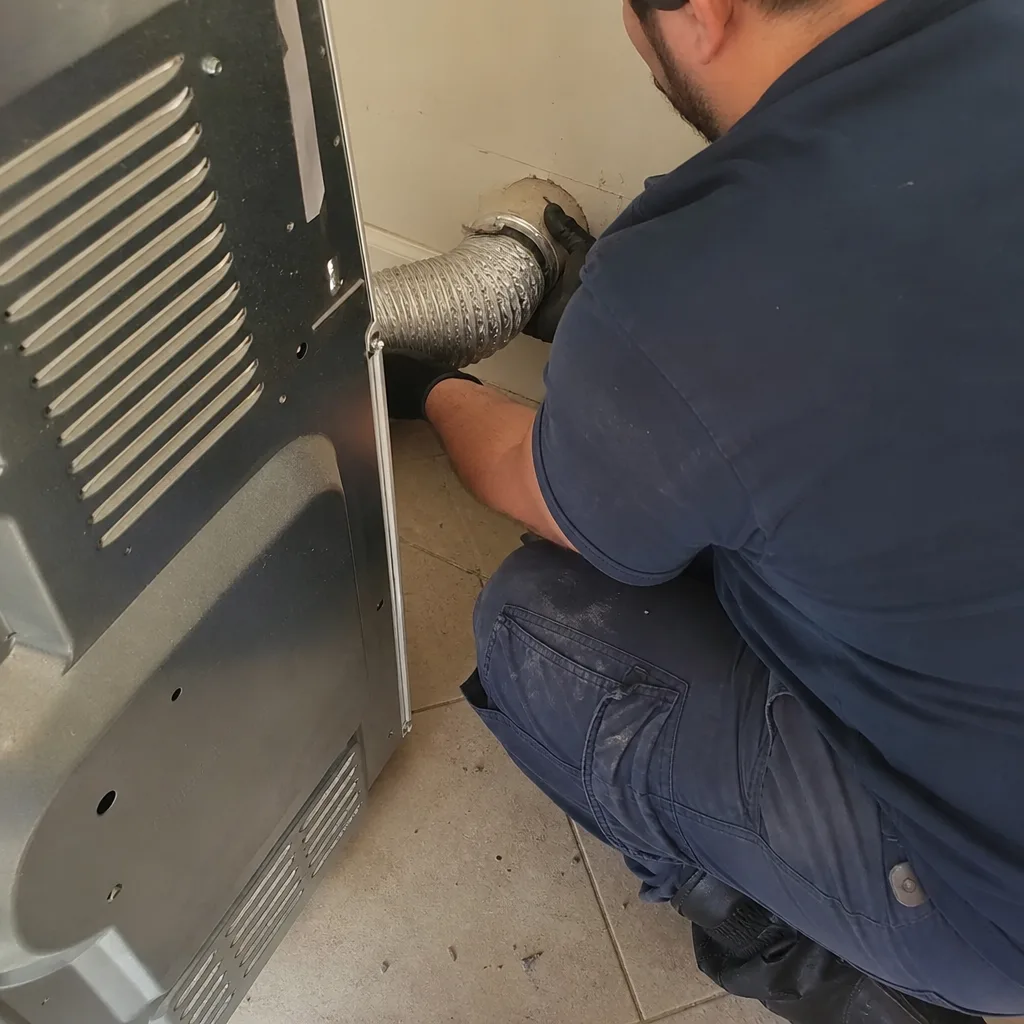
The NADCA general recommendation is every 3-5 years. In Sugar Land’s specific conditions, we adjust this based on factors that accelerate debris accumulation or microbial risk.
Inspect every 2-3 years if:
- You have pets (pet dander is sticky and accumulates faster than human skin cells alone).
- Anyone in the home has allergies, asthma, or immune compromise.
- You’ve completed renovation in the past two years, especially drywall work or flooring replacement.
- Your home is in a high-construction area with ongoing development (common in Imperial, Riverstone, and parts of Telfair where adjacent lots are still building).
- You use standard 1-inch fiberglass filters and change them irregularly.
Inspect every 3-5 years if:
- No pets, no respiratory sensitivities, regular filter changes with MERV 8+ pleated media.
- Home is in established neighborhood with mature landscaping and minimal construction dust (Old Sugar Land, First Colony sections built before 2000).
- HVAC system runs continuously with good humidity control, reducing condensation cycles.
Inspect immediately if:
- You see visible mold or mildew at registers or in the air handler cabinet.
- You smell musty or sour odors when the system runs, especially at startup.
- You’ve had water intrusion, roof leak, or foundation work that may have affected ducts.
- Energy bills have risen without usage change, suggesting airflow restriction.
- A new home purchase, where construction debris and the previous owner’s maintenance history are unknown.
The inspection itself is low-cost and non-invasive. The camera shows whether cleaning is needed now or can wait. In our experience, about 30% of Sugar Land inspections we perform reveal conditions that don’t yet warrant cleaning, and we tell the customer so. The other 70% show debris or structural issues that justify the service.
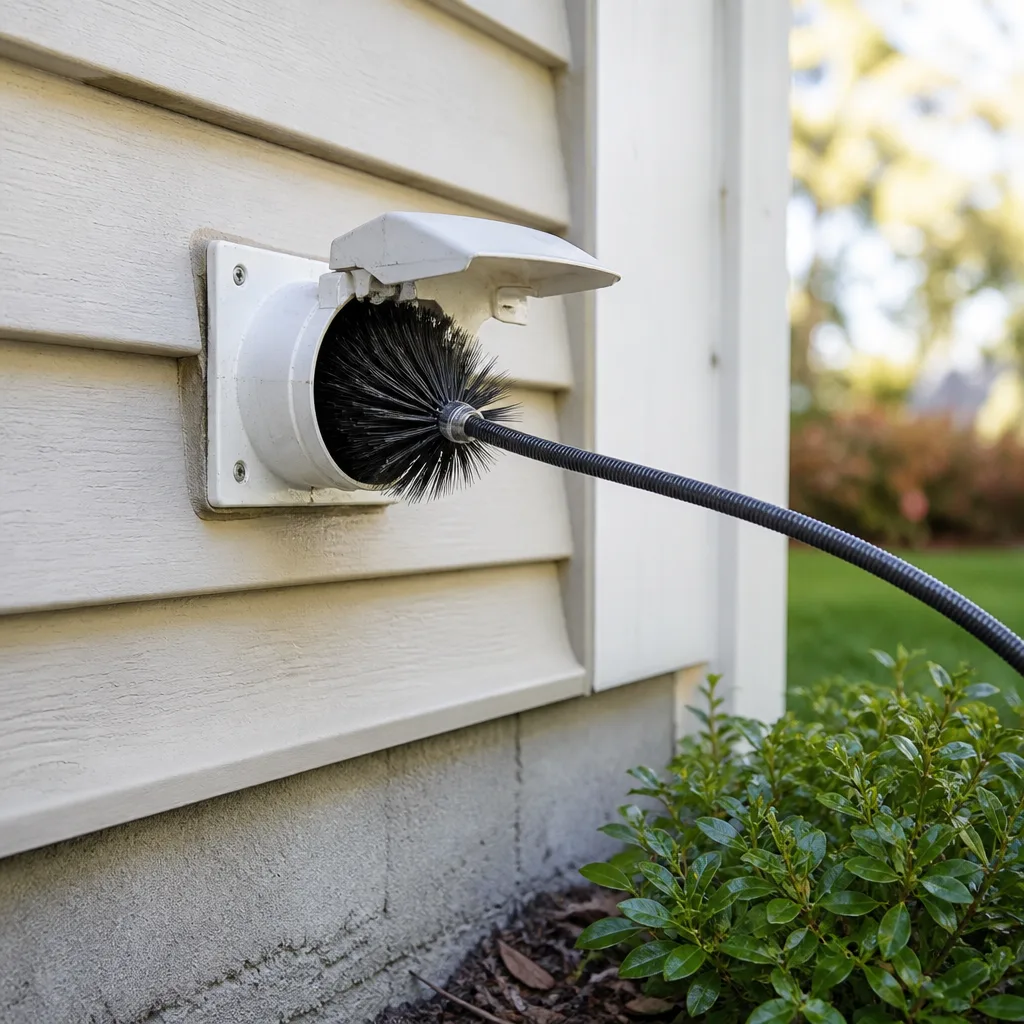
For homes in Sugar Land’s newer developments with ongoing construction, we also recommend Dryer Vent Cleaning in Sugar Land on the same schedule, as construction dust loads both systems.
Common Mistakes to Avoid
- Accepting a verbal estimate. Without a written scope, you have no enforceable agreement and no way to verify what was promised versus delivered. Every bait-and-switch story starts with “he said it would be about…”
- Choosing by price alone. The $79 special costs more than documented professional cleaning when you factor in the redo, the damage from improper equipment, or the health costs of disturbed but unremoved microbial growth.
- Ignoring Sugar Land-specific risks. A technician who doesn’t ask about foundation work, recent flooding, or your home’s construction era is working from a generic script. Clay-soil movement and humidity-driven microbial growth are local realities that shape the correct approach.
- Skipping the post-cleaning report. If a company can’t show you per-register photos and static pressure readings, they haven’t documented their work. You’re buying on faith.
- Cleaning without inspecting first. The camera inspection should precede the quote, not follow a failed cleaning attempt. We’ve been called to homes where a previous “cleaning” dislodged debris that then blocked a duct run, requiring emergency service.
- Neglecting the filter upgrade. Cleaning a system and reinstalling a MERV 4 fiberglass filter is like washing your car and driving immediately through mud. The filter determines how quickly debris reaccumulates.
- Assuming new homes are clean. Some of the worst construction debris we’ve photographed was in 2020-2022 builds in Imperial and Riverstone, where compressed construction timelines left drywall dust and insulation fragments in ducts that homeowners assumed were pristine.
When to Call a Professional
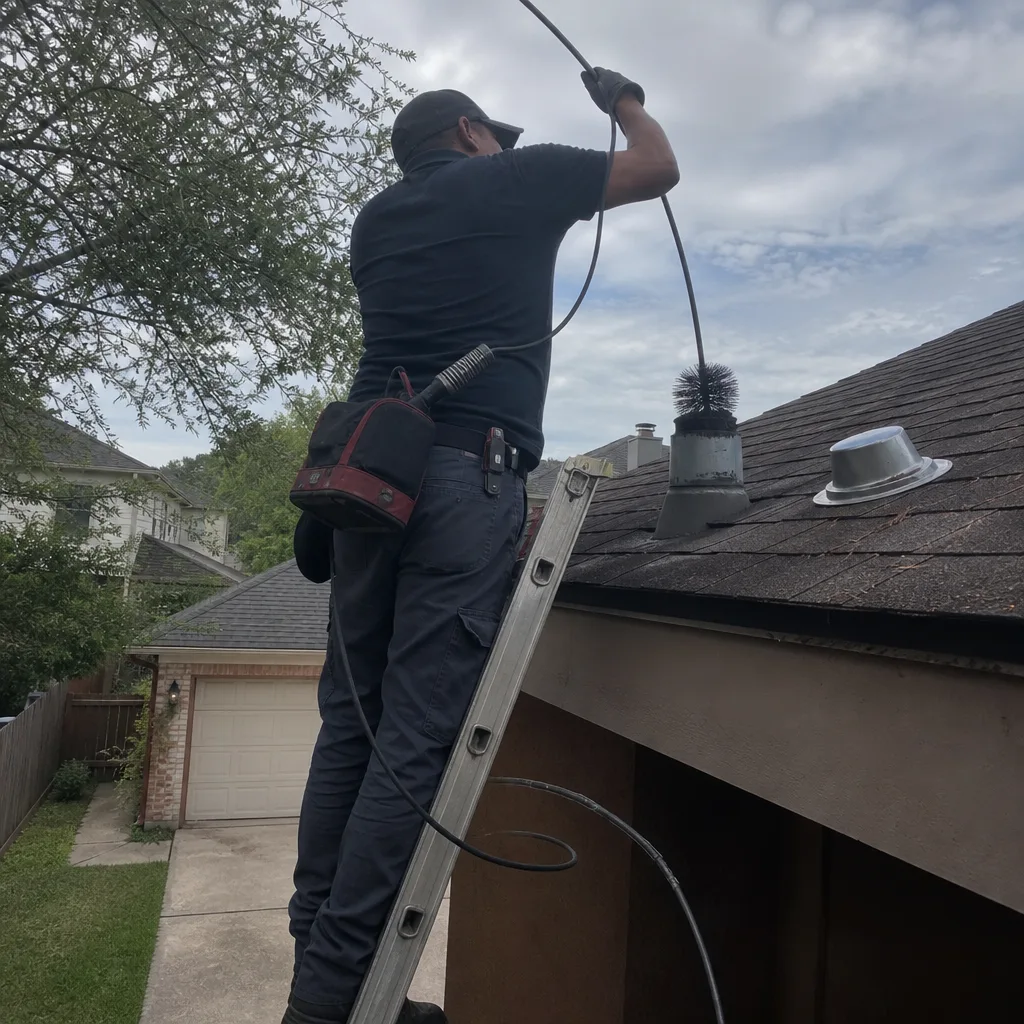
Call when you want to know what’s in your ducts, not when someone convinces you that you already know. The camera inspection is the starting point, and it should be free or low-cost with no obligation.
Specific scenarios that warrant immediate professional evaluation: visible mold at registers, persistent musty odors, unexplained respiratory symptoms that improve when away from home, post-renovation dust that doesn’t settle, or any water event that may have reached ductwork. Also call before listing a home for sale in Sugar Land’s competitive market; a documented clean duct system with photo record is a differentiator that buyers’ inspectors notice.
CleanRun Air Duct Cleaning Sugar Land offers free estimates in Sugar Land, including the camera inspection and written scope, with no obligation to proceed. Call (346) 421-3357. All calls are answered by a live person, 24/7. Technicians are background-checked, uniformed, and identified by name before arrival, per Haven Standard Clause 3: Verified Crews.
Frequently Asked Questions
Professional air duct cleaning in Sugar Land typically costs $400-$700 for a single-system home with documented source-removal cleaning, camera inspection, and per-register photo record. Two-system homes or those with heavy debris, microbial growth, or needed repairs range $600-$900. Prices below $300 generally indicate shop-vac cleaning without negative-pressure containment or documentation. Call (346) 421-3357 for an exact quote; estimates are free.
The $79-$199 “specials” use portable shop-vacs or carpet extractors without negative-pressure containment, which redistributes debris rather than removing it. The technician completes the job in 60-90 minutes and leaves no documentation. The true cost includes the health impact of disturbed contaminants, the need for a redo, and in some cases damage to duct liner from improper brushes. A written scope with named equipment and flat pricing protects against this.
Demand a per-register photo record with before/after images, system static pressure readings showing improvement, and a written report with filter specifications. These are concrete deliverables, not verbal assurances. Our Documented Photo Record on Every Visit, included as a standard deliverable since 2013, provides dated, geotagged images of every duct run. If a company cannot produce this, the work is unverified.
Every 3-5 years for typical homes; every 2-3 years if you have pets, allergies, recent renovation, or live in high-construction areas like Imperial or Riverstone. Sugar Land’s humidity and pollen load accelerate accumulation compared to drier climates. The camera inspection determines your specific interval; about 30% of inspections we perform show no immediate need.
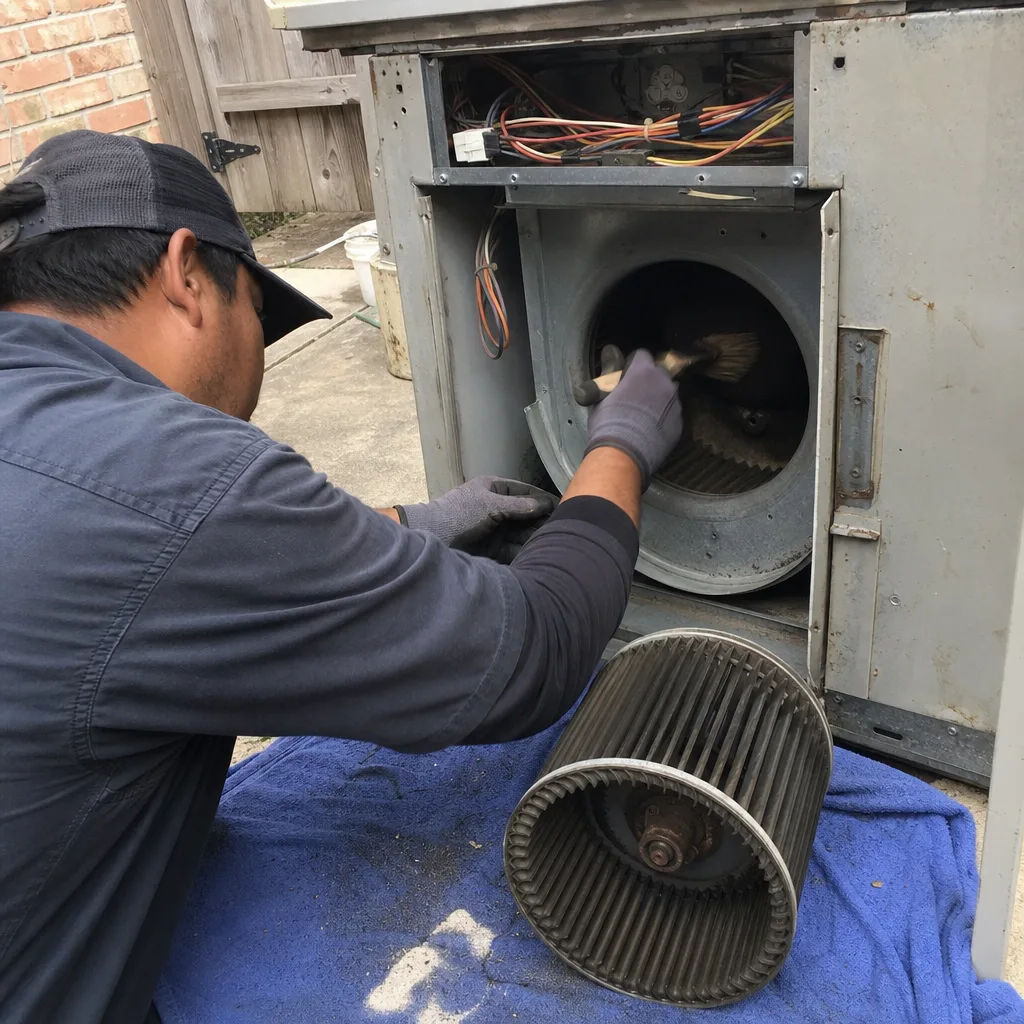
Air duct cleaning addresses the distribution network: trunk lines, branches, and registers. HVAC Cleaning in Sugar Land includes the air handler components: blower wheel, evaporator coil, drain pan, and cabinet. A complete system service addresses both, as debris in the air handler recirculates into clean ducts. We scope each separately so you choose what’s needed.
We do not recommend DIY duct cleaning. Residential duct systems contain sharp metal edges, electrical components near the air handler, and in older Sugar Land homes, asbestos-containing duct tape or insulation. Without negative-pressure containment, DIY agitation releases debris into living space. Without a camera, you cannot verify results. Without static pressure testing, you cannot confirm airflow improvement. The risk of injury, contamination, or equipment damage exceeds any cost savings. For documented, warranted service, call (346) 421-3357.
The Bottom Line
Air duct cleaning in Sugar Land is not a commodity service. The same words describe operations that differ by an order of magnitude in equipment, documentation, and accountability. The humid climate, clay soils, and construction patterns of this market create specific duct conditions that generic checklists miss. Your protection is evidence: a camera inspection you view in real time, a written price before work starts, equipment you can verify, and a photo record you keep. Anything less is a claim without proof. We’ve built our practice on documented evidence since 2013, and we apply the H.A.V.E.N. Standard on every job.
Ready to see what’s actually inside your ducts? Call (346) 421-3357 for a free estimate with camera inspection and written scope. No obligation, no upsell, no surprises.
Written by Tomas Reyes, Owner at CleanRun Air Duct Cleaning Sugar Land, serving Sugar Land since 2013.